Ongoing Probe into 2019 Easter Sunday Attacks Continues Amid Unfulfilled Pledges
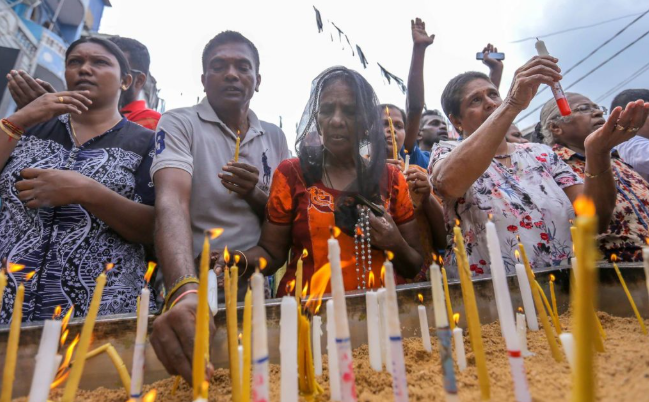
Colombo Sri Lanka Lion’s Roar reporter: More than six years after the devastating Easter Sunday terror attacks that claimed over 260 lives in Sri Lanka, the extensive investigation into the bombings continues, yet remains shrouded in controversy and unfulfilled promises. The attacks, which targeted churches and luxury hotels on April 21, 2019, left a deep scar on the nation, and the lingering questions surrounding their perpetrators, masterminds, and potential cover-ups continue to fuel public demand for full accountability and justice.
The probe has been marked by numerous twists and turns, including arrests, parliamentary inquiries, and commissions of inquiry. However, despite these efforts, many key aspects of the attacks remain unclear to the public. There have been consistent allegations of intelligence failures, political interference, and a lack of transparency in the investigation. Victims’ families and religious leaders have frequently expressed frustration at the slow pace of justice and the perceived reluctance of authorities to fully expose all those responsible, particularly any high-level individuals who may have been complicit or negligent.
A significant point of contention has been President Anura Kumara Dissanayake’s unfulfilled pledge to make a major revelation about the carnage before its sixth anniversary in April. This promise had raised expectations among the public and victims’ families, who hoped for a definitive breakthrough or a comprehensive disclosure of information. The failure to deliver on this pledge has further fueled skepticism and disappointment, deepening the sense that the full truth may never emerge, or that powerful entities are obstructing justice.
The delay in achieving a conclusive outcome has profound implications for national healing and social cohesion. For a nation deeply traumatized by the attacks, a clear and decisive resolution is essential for fostering trust in institutions and preventing future extremist acts. The prolonged uncertainty and lack of transparency can breed cynicism and distrust, making it harder for the country to move forward from this dark chapter in its history. Furthermore, the international community continues to monitor the progress of the investigation, given the global nature of terrorism and the involvement of foreign victims.
The ongoing nature of the investigation, even after so many years, highlights the complexities of such high-profile terror cases, especially when intertwined with political dynamics. As pressure mounts for answers, the government faces a critical test of its commitment to justice and transparency. The victims and their families deserve a complete and unbiased accounting of what transpired on that fateful Easter Sunday, and the nation awaits a resolution that brings genuine closure and ensures that such a tragedy can never be repeated.