US-Funded Contraceptives Slated for Incineration, Sparking Aid Debate
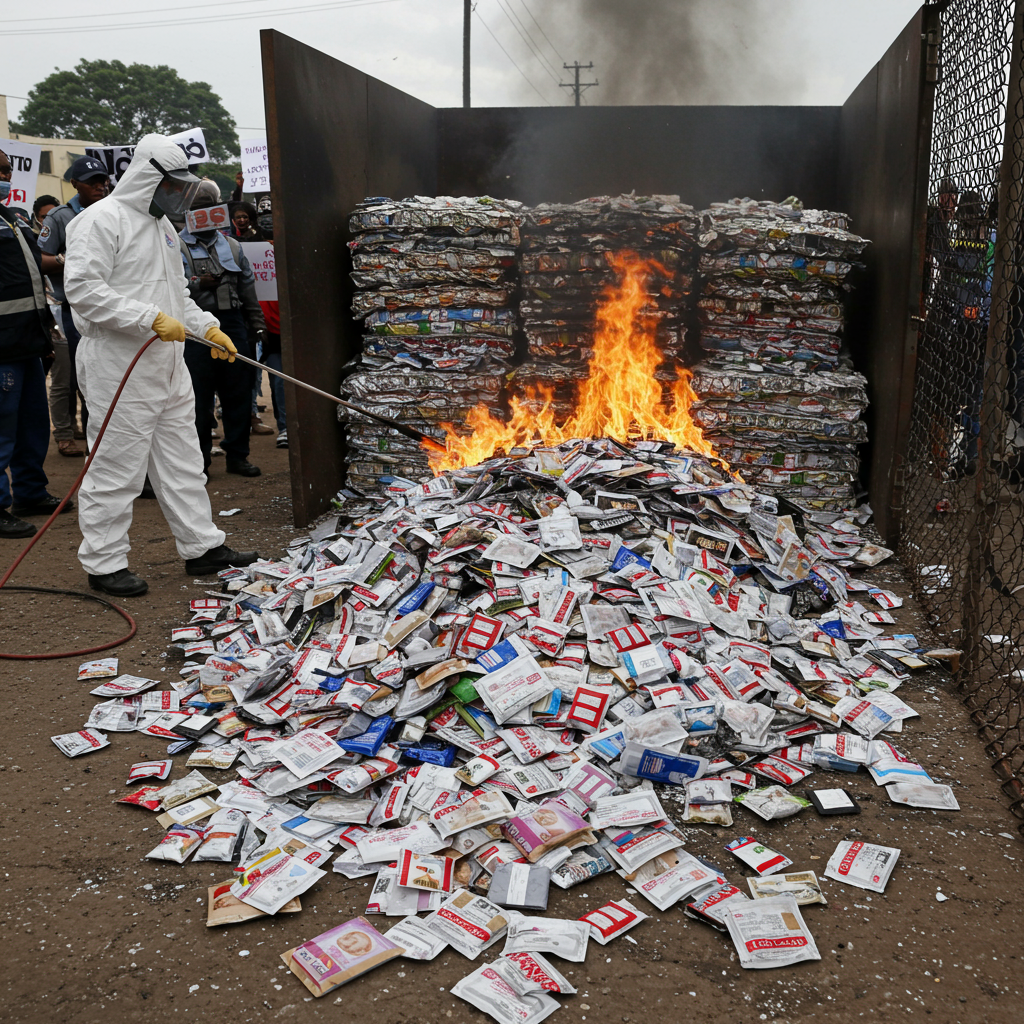
Lions Roar International correspondent: A significant controversy has erupted in the realm of international development and humanitarian aid, with reports indicating that millions of dollars worth of US-funded contraceptives are slated for incineration. This alarming development has sparked widespread concern among health organizations, aid workers, and policymakers, raising critical questions about procurement processes, supply chain management, and the overall efficacy of foreign aid programs. The potential destruction of such a substantial quantity of essential medical supplies represents a stark failure in the delivery of aid and a profound waste of resources intended for global health initiatives.
The contraceptives, which include IUDs, birth control implants, and other commodities, were procured through US government funding, presumably as part of broader efforts to promote reproductive health and family planning in developing nations. The reasons cited for their impending incineration are varied but often point to issues such as expiration dates, storage challenges, or unforeseen logistical bottlenecks. However, critics argue that these issues should have been identified and addressed much earlier in the supply chain, highlighting systemic flaws in planning, needs assessment, and distribution mechanisms within the aid framework.
The implications of this situation are far-reaching. Firstly, it represents a substantial financial loss for taxpayers, as millions of dollars invested in these contraceptives will effectively be squandered. More importantly, it undermines the very purpose of aid, which is to provide critical assistance to populations in need. In many regions of the world, access to modern contraception remains a significant challenge, directly impacting women’s health, family well-being, and broader development goals. The destruction of these supplies means missed opportunities for preventing unintended pregnancies, reducing maternal mortality, and empowering individuals to make informed choices about their reproductive lives.
This incident also reignites a broader debate about the accountability and transparency of international aid. Stakeholders are calling for a thorough investigation into how such a large quantity of contraceptives came to be in a position where incineration is considered the only viable option. There is an urgent need to identify the points of failure – whether in procurement, storage, transportation, or demand forecasting – and to implement robust measures to prevent similar occurrences in the future. This includes strengthening partnerships with local health systems and ensuring that aid is responsive to the actual needs and capacities of recipient countries.
Ultimately, the reported incineration of these US-funded contraceptives serves as a sobering reminder of the complexities and challenges inherent in global health initiatives. While the intention behind providing such aid is commendable, its effectiveness hinges on meticulous planning, efficient execution, and rigorous oversight. This incident underscores the imperative for all actors in the international development community to critically re-evaluate their approaches to ensure that resources are utilized optimally, and that essential supplies reach those who need them most, rather than being discarded due to preventable systemic failures.