A Glimmer of Peace: Hamas Agrees to Hostage Release in Response to Trump Ultimatum
In a dramatic development that could mark the beginning of the end of the Gaza war, the Hamas organization has announced its acceptance of key elements of a U.S.-led peace plan, most notably agreeing to the immediate release of all remaining Israeli hostages in exchange for Palestinian prisoners.
Gaza/Washington D.C. – The international community is holding its breath after the Palestinian militant group Hamas released a statement confirming its conditional acceptance of a framework proposal, reportedly a 20-point plan, advanced by President Donald Trump to end the protracted conflict in the Gaza Strip. The central and most impactful point of acceptance is the agreement to release all Israeli captives, a move that has been the singular, unyielding focus of Israeli and international efforts since the October 7, 2023, attack.
The announcement came on Friday, following a blunt and highly public ultimatum issued by President Trump via his social media platform, Truth Social. Trump warned that Hamas had until Sunday evening at 6:00 p.m. Washington D.C. time (22:00 GMT) to agree to the terms of his peace plan, or face an unprecedented military consequence—a threat he termed “all HELL, like no one has ever seen before.”
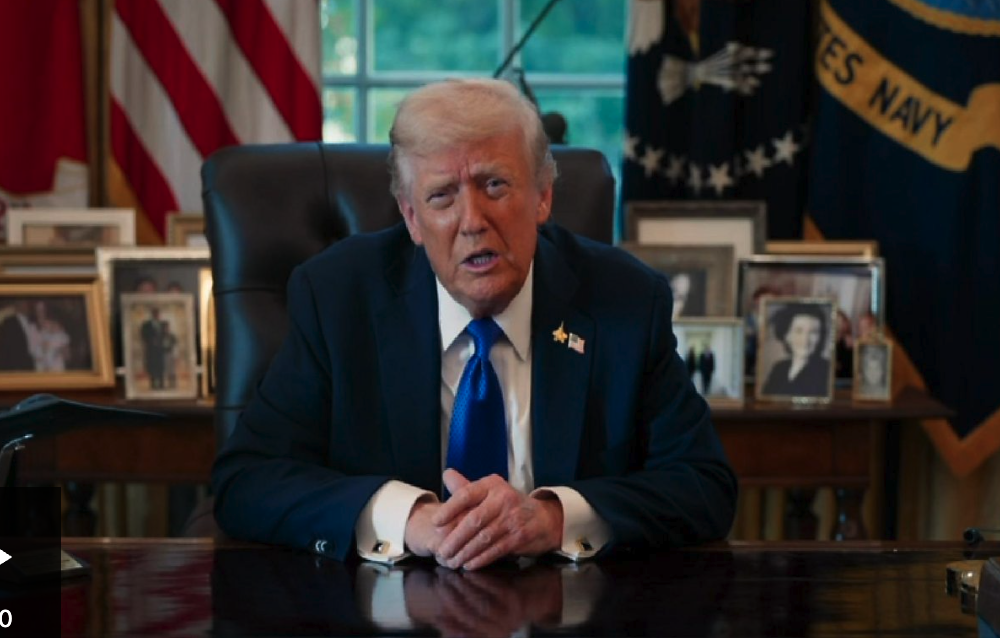
In his immediate response to Hamas’s statement, Trump declared his belief that the group was “ready for a lasting PEACE.” Crucially, he then delivered an unprecedented order to Israel on the same platform: “Israel must immediately stop the bombing of Gaza, so that we can get the Hostages out safely and quickly! Right now, it’s far too dangerous to do that.”
The Israeli government, via the Prime Minister’s office, issued a statement shortly thereafter, confirming it was preparing for the “immediate implementation of the first phase of Trump’s plan for the immediate release of all hostages,” signalling a unified response despite the halt-bombing order.
The Terms of Hamas’s Acceptance: A “Yes, But” Response
Hamas’s statement, while positive, was qualified. The key components agreed to are believed to include:
- Hostage Release: An agreement to release all remaining Israeli captives—both those living and the remains of the deceased—“according to the exchange formula contained in President Trump’s proposal.” This is believed to involve a mass exchange for Palestinian prisoners currently held in Israeli jails.
- Negotiation Readiness: A commitment to “immediately enter into negotiations through mediators” (likely Qatar and Egypt) to iron out the specific details of the agreement.
- Gaza Administration: A signal of readiness to relinquish direct control of Gaza to an “independent Palestinian technocrats’ body” based on national consensus.
However, analysts and media reports indicate that Hamas strategically avoided full acceptance of the most difficult and foundational aspects of the 20-point proposal, namely disarmament and an explicit commitment to being completely removed from the future governance of Gaza. Hamas officials have historically stated that giving up their arms is a “red line.” The need for further negotiations on these “vexing issues” suggests the path to a comprehensive peace remains fraught with difficulty.
The Geopolitical Context: Trump’s High-Stakes Diplomacy
President Trump’s direct, ultimatum-driven intervention comes after nearly two years of stalled, often secret negotiations involving international and regional mediators. His peace plan, reportedly unveiled earlier this week alongside Israeli Prime Minister Benjamin Netanyahu, called for an immediate cessation of hostilities, the full exchange of captives, a phased Israeli withdrawal from parts of Gaza, and an internationally supervised transitional government.
Trump has framed the deal as a truly historic, once-in-a-lifetime opportunity, claiming that “Great, powerful, and very rich Nations of the Middle East, and the surrounding areas beyond, together with the United States of America, have agreed, with Israel signing on, to PEACE, after 3000 years.”
The plan’s abrupt presentation and “take-it-or-leave-it” deadline placed immense pressure on Hamas, who are operating under dire circumstances within Gaza. The ongoing humanitarian catastrophe, the widespread destruction, and the loss of international leverage—which the hostages represented—have combined to push the organization toward the negotiating table. International pressure from key Arab and Islamic allies is also understood to have played a significant role in securing this positive response.
The timing of this proposal, just ahead of the two-year mark of the conflict’s massive escalation, underscores the urgency felt by all sides to find an off-ramp from the devastating war.
Implications and the Road Ahead
The potential for a complete hostage release is a moment of profound hope for the families in Israel who have tirelessly campaigned for the return of their loved ones. The Hostage Families Forum quickly backed Trump’s demand for an immediate ceasefire, stating that halting the fighting “is essential to prevent serious and irreversible harm to the hostages.”
However, the path from conditional acceptance to comprehensive peace is anything but certain. Key sticking points remain:
- Disarmament: Hamas’s refusal to disarm, which is a cornerstone of the Trump plan and an absolute demand by Israel, remains the most formidable obstacle.
- Sequencing of Withdrawal: The precise timeline for an Israeli military withdrawal from Gaza, relative to the release of all hostages, will require intense negotiation.
- Future Governance: The makeup and authority of the proposed transitional government for Gaza, and whether Hamas will be permitted any future political role, is highly contentious.
For now, the focus shifts entirely to the mediators. The United Nations, French President Emmanuel Macron, and key Arab partners like Qatar and Egypt have all welcomed the development, urging all parties to “seize this opportunity” and implement the first phase without delay.
The immediate task is to halt the fighting and ensure a secure, successful handover of the remaining captives. This process will test the resolve and the commitment to peace from all actors, especially as the deadline looms and the world watches for the next, critical step toward a durable ceasefire in the Middle East. The dramatic developments of the last 24 hours have proven that, while difficult, an end to the bloodshed may finally be within reach.