Trump’s 100% Tariff on Foreign-Made Films: What It Means for Global Cinema
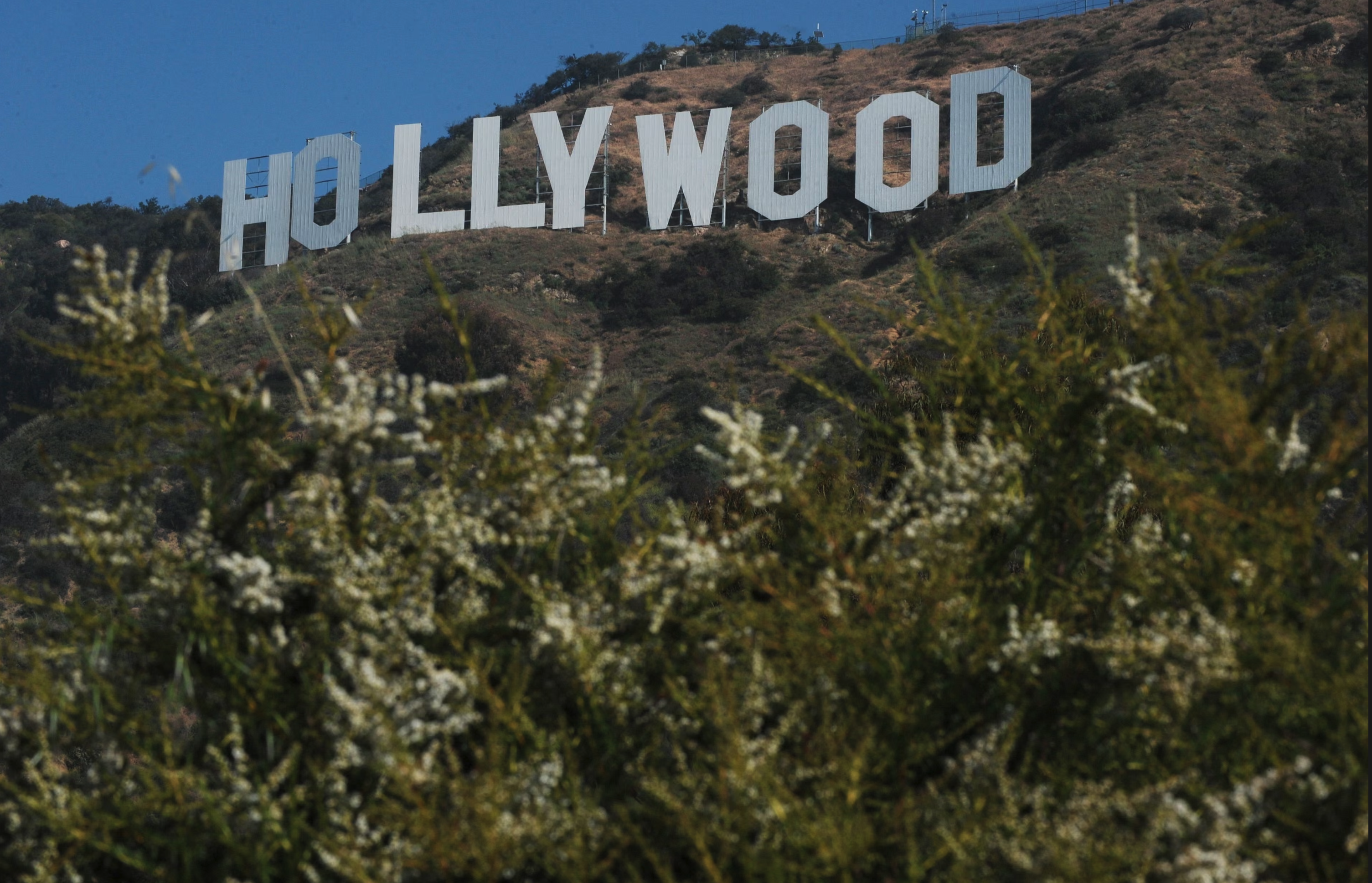
In a bold move that has sent shockwaves through the entertainment industry, President Donald Trump announced plans to impose a 100% tariff on all films produced outside the United States. This unprecedented measure, which he claims is necessary to protect American film production from foreign competition, was announced via a post on his Truth Social platform on September 29, 2025. Trump stated that America’s movie-making business has been “stolen” by other countries, particularly criticizing California’s handling of the situation.
The proposed tariff would apply to any and all movies made outside the United States, regardless of their distribution method. However, the specifics of enforcement remain unclear. Film studios often engage in international co-productions and utilize foreign locations for filming, making it challenging to determine what constitutes a “foreign-made” film. Additionally, the digital nature of modern film distribution adds complexity to the implementation of such a tariff.
Hollywood’s reaction to the announcement has been one of confusion and concern. Industry experts question the feasibility and legality of the proposed tariff, noting that movies are often categorized as services and are typically produced across multiple countries. Furthermore, the U.S. film industry holds a substantial trade surplus, with exports significantly outpacing imports. Critics warn that the tariff could lead to retaliatory measures from other countries, including re-imposing screen quotas and tariffs on U.S. intellectual property, potentially risking billions in losses and thousands of jobs.
Internationally, the proposal has raised alarm. In Queensland, Australia, where the film industry generates over $582 million annually and supports more than 4,000 jobs, officials are seeking diplomatic clarification to provide stability for the local sector. Major studios like Village Roadshow on the Gold Coast and locations in Brisbane continue to attract big-budget films, including blockbusters such as “Elvis,” “Aquaman,” and the “Godzilla x Kong” series. Australian officials affirm their commitment to defending the nation’s film industry against potential economic repercussions from U.S. policy shifts.
The proposed tariff is part of a broader pattern of protectionist trade policies under the Trump administration. In April 2025, Trump announced the “Liberation Day” tariffs, a broad package of import duties aimed at rectifying trade imbalances. However, these tariffs have faced legal challenges. On May 28, 2025, the United States Court of International Trade ruled that the “Liberation Day” tariffs exceeded the authority granted under the International Emergency Economic Powers Act, finding that the declaration of a national economic emergency did not meet the statutory threshold. This ruling raises questions about the legal basis for the proposed film tariff.
As the situation develops, the global film industry watches closely. The outcome of this policy could have far-reaching implications, not only for international co-productions but also for the future of global cinema.