The Nation Unites: President AKD Vows to Build a ‘Better Country Than Before’ as Catastrophe Toll Climbs Past 330
An Unprecedented Calamity: Island Nation Grapples with Historic Loss and Herculean Recovery
COLOMBO – November 30, 2025
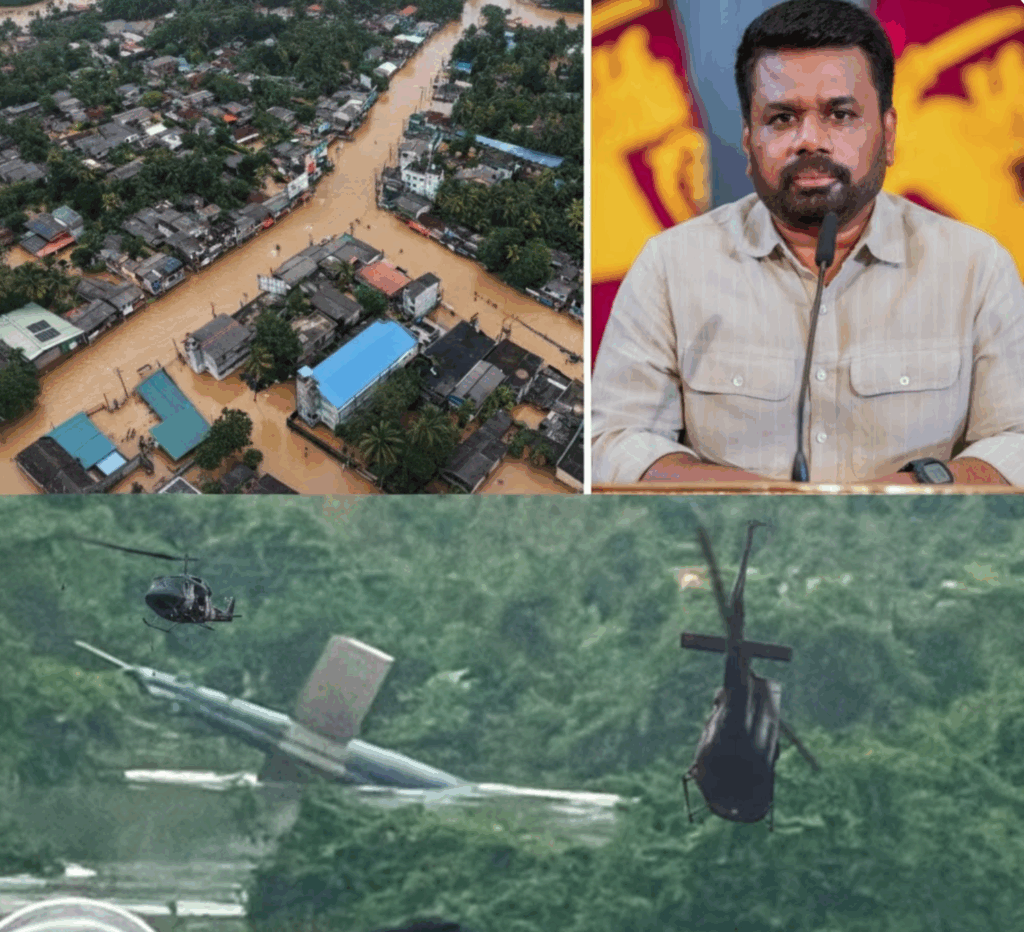
Sri Lanka is reeling from what President Anura Kumara Dissanayake has unequivocally described as the “largest and most challenging natural disaster in the nation’s history.” As the country confronts the sobering arithmetic of destruction, the official death toll has tragically surged to 334, with a devastating 370 individuals still unaccounted for, sparking frantic rescue and recovery operations across the island. The scale of the human tragedy, coupled with catastrophic damage to critical infrastructure, has triggered the imposition of a state of Emergency, a measure the President insists is solely dedicated to efficient disaster management and the colossal task of national reconstruction.
In a special address to the nation delivered today (November 30), President Dissanayake articulated a profound sense of national grief and an unshakeable faith in the resilience of the Sri Lankan people, positioning the rebuilding effort not merely as a recovery, but as a commitment to forging a “better country than before.” The address was a powerful blend of heartfelt condolence, administrative clarity, and a fierce, unifying call to action, demanding that all political and sectoral divisions be immediately set aside in the face of this epochal challenge.
This article delves deep into the devastating statistics, unpacks the critical details of the President’s command-and-control strategy, and examines the roadmap for what promises to be the most ambitious reconstruction effort in modern Sri Lankan history.
I. The Unprecedented Scale of Loss: Statistics of Devastation
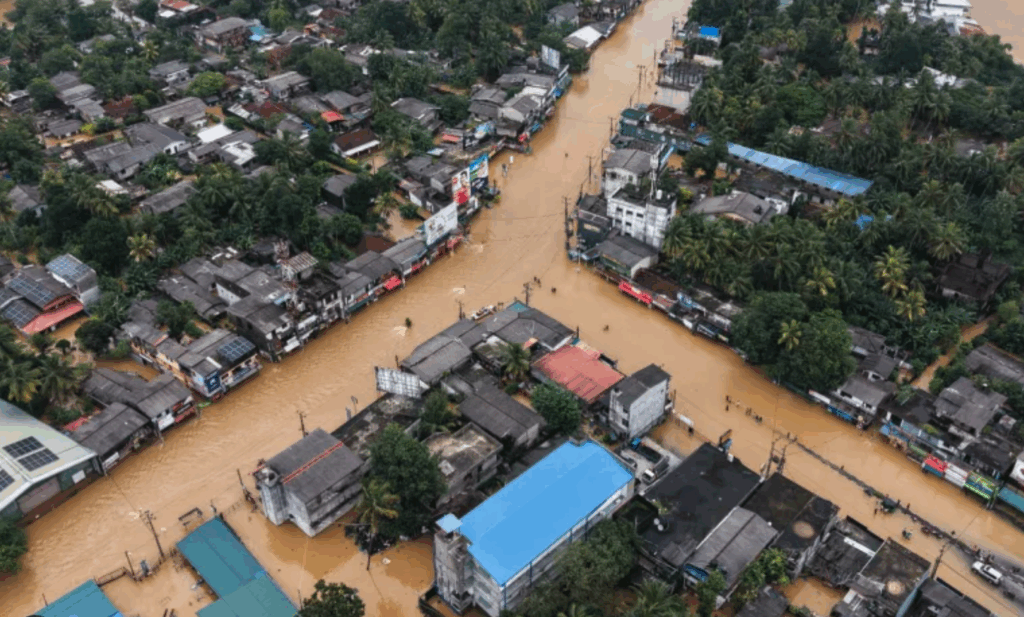
The grim figures released by the Disaster Management Centre (DMC) paint a picture of widespread devastation that has spared virtually no corner of the island. The confirmed death count, which stands at 334, is expected to rise as search efforts continue for the 370 reported missing, many presumed buried under landslides or lost to floodwaters.
The disaster’s impact is measured not just in lives lost, but in the staggering number of citizens whose daily existence has been violently upended. The DMC reports that 1,118,929 individuals, spanning 309,607 families, have been severely affected by the severe weather event. In response, 1,494 safe centers have been activated across the country, providing immediate refuge to 196,790 people from 55,747 families. This mass displacement is one of the most significant challenges facing the government, requiring logistical precision and sustained humanitarian support.
The Geography of Grief
The geographical breakdown of fatalities underscores the brutal and capricious nature of the catastrophe, with some districts disproportionately bearing the brunt of the heavy rains and subsequent landslides. The central mountainous regions, known for their lush tea estates and vulnerable terrain, have suffered the most grievous losses:
- Kandy (Mahanuwara) District: A staggering 88 confirmed deaths. The high casualty count here is indicative of devastating landslide activity and rapid flooding in key catchment areas.
- Badulla District: Reports 71 fatalities. This region has historically been susceptible to landslides, and the current disaster has severely exposed this vulnerability.
- Nuwara Eliya District: Accounts for 68 deaths. The combination of high altitude and intense rainfall often leads to unstable ground conditions, contributing to the tragic tally.
Beyond the hill country, other districts have also experienced significant loss:
- Kurunegala District: 37 deaths.
- Matale District: 23 deaths.
- Batticaloa (Madakalapuva) District: 12 deaths.
These numbers are more than mere statistics; they represent a network of shattered families, erased communities, and the acute pain felt across the Sri Lankan society. The President, acknowledging this fact, forcefully stated, “The deceased are not just a number to us. With every life, there is a name, a face, and a story.” This humanitarian perspective, placing individual grief at the center of the national crisis, sets the tone for the entire recovery effort. The long-term psychological and sociological impact on these worst-hit regions will necessitate a dedicated mental health and community rebuilding component within the national plan.
II. A Nation in Peril: The President’s Call to the Nation
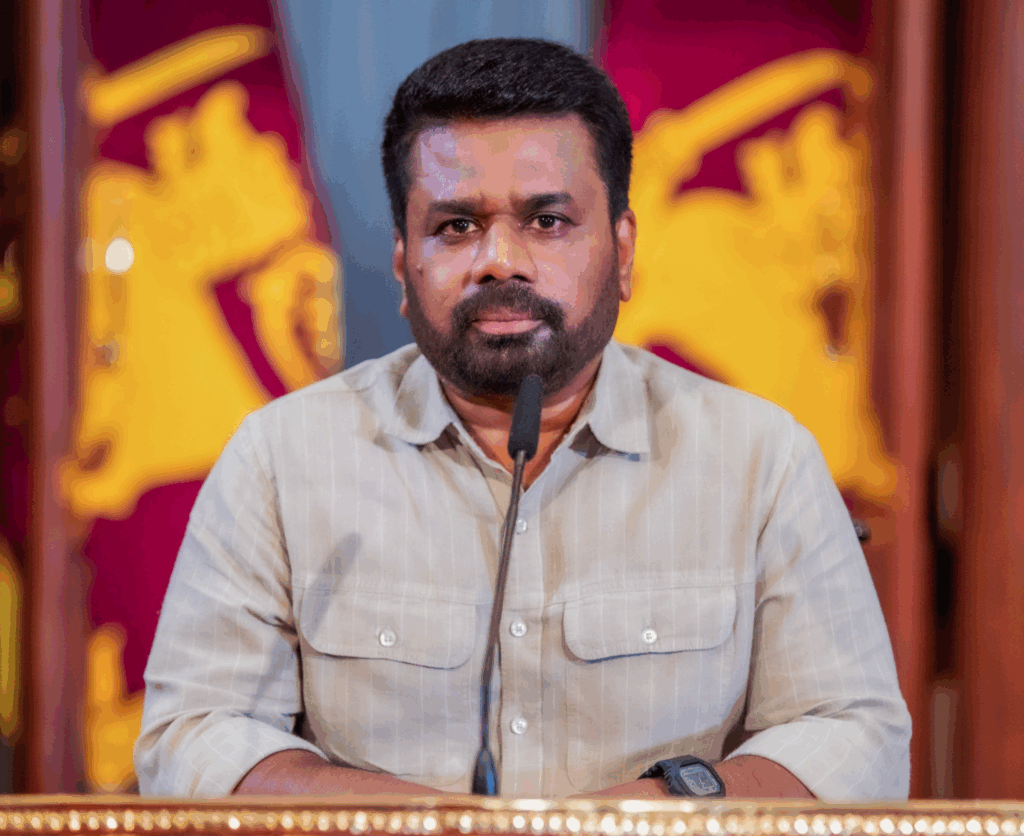
President Anura Kumara Dissanayake’s address was not a routine briefing but a solemn, almost familial acknowledgement of the shared national trauma. He described the event as the first time in the country’s history that the entire nation has been simultaneously afflicted by disaster, transforming what might have been a localized tragedy into a national emergency.
The Promise and the Painful Reality
Central to his speech was a raw, emotional pledge to the victims. He asserted that if it were possible to restore the lives lost, he would not hesitate for a moment, regardless of the condition. While acknowledging the painful, insurmountable reality that life cannot be returned, he made a concrete promise: “While we cannot return those lives, we are committed to providing everything else for those families.” This commitment moves the response beyond temporary relief and into long-term restitution and support for those widowed, orphaned, or otherwise irrevocably damaged by the event.
The President offered heartfelt condolences, assuring the nation that the pain of the lost will be a permanent presence, driving the commitment of the government. He also extended a message of hope for the missing, stating, “We hold the prayer that all those currently missing are safe.”
Unwavering Faith in the Human Spirit
The President placed immense trust in the character of the Sri Lankan populace. He hailed the “unwavering courage of the beloved citizens” and stated that this resilience is what gives the government the absolute confidence to reconstruct the nation.
He paid effusive tribute to the tireless efforts of all first responders:
- The Tri-Forces and Police: Hailed for their “heroic action” and “supreme sacrifice,” risking their lives without hesitation to rescue others. The President called for the nation’s profound respect for their service.
- The State Mechanism: Praised the entire state machinery, from Ministry Secretaries down to the village-level Grama Niladhari officers, for stepping up beyond the call of duty. He recognized their humane, heartfelt engagement in the rescue effort.
- The Volunteers: Acknowledged the vast, spontaneous volunteer effort by citizens who considered the distress of their neighbors and villagers as their own personal tragedy, performing immense humanitarian work.
This recognition of collective effort was a powerful rhetorical tool, framing the catastrophe not as a failure of systems, but as an awakening of the national spirit—a spirit Dissanayake assured the world could never be shaken, even if the land itself was.
III. Command, Control, and the Emergency Declaration
To swiftly transition from rescue to recovery, the government has taken decisive administrative and legal steps, most notably the declaration of a State of Emergency. The President took considerable time in his address to clarify the purpose and limits of this measure, aiming to allay any public fears of its misuse.
Emergency Law: Efficiency, Not Repression
President Dissanayake was categorical: “This Emergency Law will not be used for any repressive activity whatsoever, except for the purpose of managing the disaster situation and efficiently rebuilding the country.”
This assurance is critical in the context of recent political history and signifies a clear intent to prioritize humanitarian and development goals. To ensure streamlined operations and 24-hour efficiency under the Emergency Law, the President announced two key administrative pillars:
- Appointment of an Essential Services Commissioner General: All essential services have been centralized under this newly appointed authority. Key institutional officers are now on 24-hour duty, enabling a highly efficient, centralized operation to manage immediate needs and restore critical services.
- Removal of Restrictive Circulars and Financial Empowerment: A major obstacle to rapid disaster response is often bureaucratic red tape. The President detailed how restrictive circulars have been immediately modified to facilitate faster relief distribution and financial action:
- Universal Aid: Distinction between the three groups of displaced persons (those remaining in their own homes, those with friends/relatives, and those in safe centers) has been removed. Government relief will now be provided universally, regardless of where the displaced are temporarily residing.
- Financial Decentralization: Regional Secretaries (Pradeshiya Lekam) have been granted the authority to spend up to 500 million LKR without requiring central approval. This radical decentralization is aimed at ensuring funds are immediately accessible for on-the-ground needs, bypassing lengthy approval processes that delay critical response.
Securing the Financial War Chest
Addressing the immediate financial requirements, the President confirmed that the government has access to approximately 3 billion LKR (three thousand million rupees) from provisions approved in the previous budget. Crucially, these funds can be utilized without requiring immediate parliamentary approval, ensuring an instant cash injection into relief and recovery efforts.
Furthermore, he has instructed District Secretaries to immediately submit detailed reports on the full scope of their financial needs and expenditures to date. If the existing 2025 budget allocations prove insufficient, the government is fully prepared to seek new provisions through supplementary estimates via Parliament, guaranteeing that funds will not be a constraint in the initial phases of recovery and rebuilding.
IV. The Long Road to Rebuilding: A New National Project
The government’s strategy is explicitly divided into short-term, medium-term, and long-term phases, with a clear overarching goal: not just to return to the status quo, but to transform the country into a more developed and resilient state.
The Short-Term Imperative: Restoring Lifeblood Infrastructure
The immediate focus beyond humanitarian relief is the urgent restoration of essential services and infrastructure, which have been severely damaged or completely broken in many areas. The President acknowledged widespread outages in:
- Electricity supply.
- Water and sanitation services.
- Communication networks.
- Access roads and bridges.
To rapidly address this, dedicated operational missions have been established for each sector. Personnel from unaffected parts of the country have been fully deployed to the disaster zones. The government has suspended all non-critical functions of various ministries and institutions, making the restoration of infrastructure the paramount priority. Key institutions—including the Ceylon Electricity Board, the National Water Supply and Drainage Board, telecommunication agencies, and the Road Development Authority—are working in close coordination under the centralized Emergency structure. The President expressed confidence that these services can be fully restored within a very short period.
Medium- and Long-Term Vision: Building Back Better
The true test of the national will lies in the medium- and long-term effort. The President noted the incalculable physical losses, ranging from major infrastructure like roads and bridges to vital social assets like schools and water systems. This destruction comes at a moment when the country was already struggling to regain economic stability, making the challenge immense.
Furthermore, the disaster has delivered a severe blow to the productive sectors of the economy:
- Agriculture and Livestock: Extensive damage to crops, farmland, and animal husbandry, necessitating a rapid plan for sectoral revival.
- Small and Large Industries/Businesses: Many have suffered severe damage or loss of inventory and machinery, threatening livelihoods and income streams.
To tackle this, a “rapid development plan” is being formulated. The President explicitly linked the Emergency Law to providing the necessary legal and financial framework for this accelerated, efficient rebuilding.
The Reconstruction Fund and Global Appeal
To finance this historic undertaking, the government is moving swiftly to establish a dedicated Reconstruction Fund. This fund is designed to consolidate all domestic and international contributions and ensure transparent, strategic deployment of capital. A high-level, joint management committee has been appointed to oversee the fund, comprising representatives from:
- The Private Sector
- The Ministry of Foreign Affairs
- The Ministry of Finance
- The President’s Office
The mechanism for sourcing these crucial funds is multi-pronged:
- International Friends and Organizations: Close cooperation with friendly nations and international organizations is already yielding results, with the President thanking those who have already extended the “hand of friendship” (e.g., providing helicopter and rescue teams). Formal mechanisms are in place to receive and coordinate this continuous international support.
- Domestic Business and Industry: An appeal has been directed to domestic industrialists, businessmen, and entrepreneurs to contribute significantly to the national effort.
- The Diaspora: The President reserved special acknowledgement for the immense enthusiasm and commitment demonstrated by Sri Lankan citizens living abroad, who are actively mobilizing aid and resources. The government has pledged to provide all necessary support to facilitate their contribution.
The Mandate for Accurate Data
A critical component of the rebuilding plan, as highlighted by the President, is the mandate for accurate, swift data collection. The nation’s response to crises has often been hampered by a lack of precise information. To avoid this pitfall, all relevant institutions have been instructed to immediately prepare robust lists detailing the magnitude of the challenge in their specific domain and the necessary funds for restoration.
- Irrigation Department: Must report damage to irrigation systems and the funds required for their complete restoration.
- Agriculture Department: Must detail the destruction suffered by the farming community and the capital necessary to revive the agricultural sector.
This data-driven approach is designed to create a fast, systematic, and targeted development plan, ensuring resources are allocated where the need is greatest, and avoiding the consequences of working with estimations rather than verified facts.
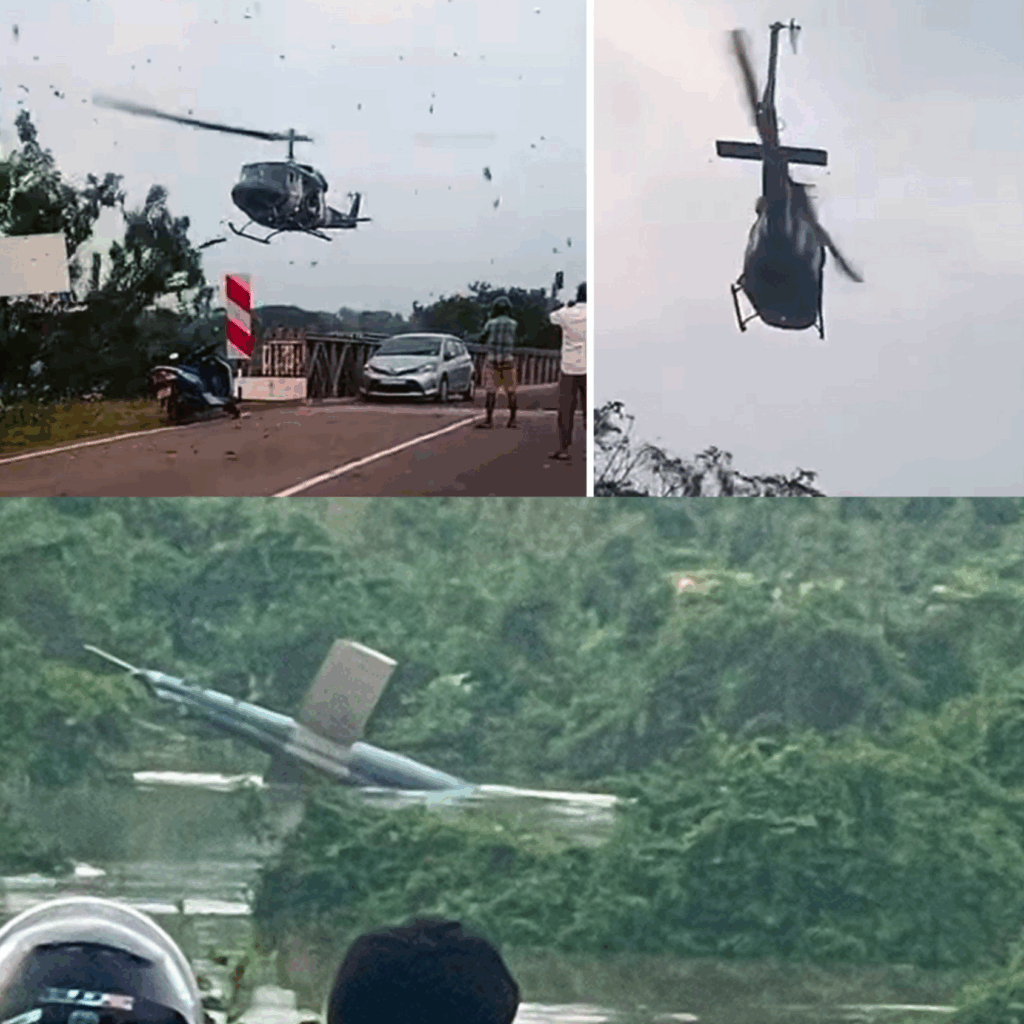
V. Heroes and Sacrifices: The Lunuvila Tragedy
The President’s recognition of the bravery of the armed forces was underscored by a tragic event that occurred today (November 30), highlighting the grave risks taken by rescue personnel on the frontline.
A Sri Lanka Air Force (SLAF) Bell 212 helicopter, deployed for a relief mission to aid the victims in the Lunuvila and Wennappuva areas, crashed in the region between the two towns in the afternoon. The incident tragically claimed the life of the pilot, Wing Commander Siyambalapitiya.
Five individuals were on board the helicopter at the time of the accident. Following the crash, all five were rushed to Marawila Base Hospital. Wing Commander Siyambalapitiya’s death serves as a poignant, devastating reminder of the extreme peril inherent in the current humanitarian and rescue operation. The selfless nature of his sacrifice, dying while attempting to bring relief to others, embodies the ‘heroic action’ that President Dissanayake celebrated in his address. His loss is a profound blow to the SLAF and the nation, adding a layer of deep personal sorrow to the national disaster narrative. His memory will undoubtedly fuel the commitment of his colleagues and the entire state machinery as they continue the arduous work.
VI. A Plea for National Unity: Healing the Tearful Paradise
The final and most fervent appeal of President Dissanayake’s address was a powerful plea for collective national unity. Recognizing that the disaster presents a rare, albeit brutal, opportunity to overcome historical divisions, the President urged all citizens, leaders, and institutions to prioritize the nation above all else.
“Let us forget all political opinions for the sake of the country in this critical, catastrophic moment. Let us unite, free from distinctions of race, religion, parties, and colours,” he declared.
He stressed the urgency of the moment, stating that while there will be ample time for political activities later, there is no time to waste in confronting this disaster. The call is for a collective, non-partisan engagement in the rebuilding effort, ensuring that the historical mistakes of missed opportunities for unity are not repeated.
The President reiterated his “unwavering faith” in every sector of Sri Lankan society—the citizens, the military, the police, the state service, industrialists, businessmen, intellectuals, innovators, and the friendly nations providing support. It is upon this foundation of trust that he is determined to launch the reconstruction project.
He concluded his address on a note of resilient optimism, an acknowledgement of the darkness coupled with a belief in the eventual dawn: “We believe that in any darkness, there is light. We believe that these dark days will pass. Therefore, let us rise together. Let us heal this tearful paradise. Let us build a radiant island.”
The national undertaking now commencing is monumental. The goals are ambitious, the financial and logistical challenges are daunting, and the emotional toll is immense. However, armed with an emergency mandate, decentralized authority, a clear financial strategy, and a powerful, unifying vision from the head of state, Sri Lanka has begun the long, arduous process of rising from the floodwaters and rebuilding, brick by determined brick, a country that will be, in the President’s words, “better than before.” This national project requires the dedication of every citizen, ensuring that the sacrifice of the deceased and the trauma of the displaced are met with an unprecedented response characterized by efficiency, transparency, and a profound commitment to a shared, brighter future.