Sri Lanka’s Transport Transformation Begins: Lanka Metro Bus Project Takes Digital Leap in Western Province
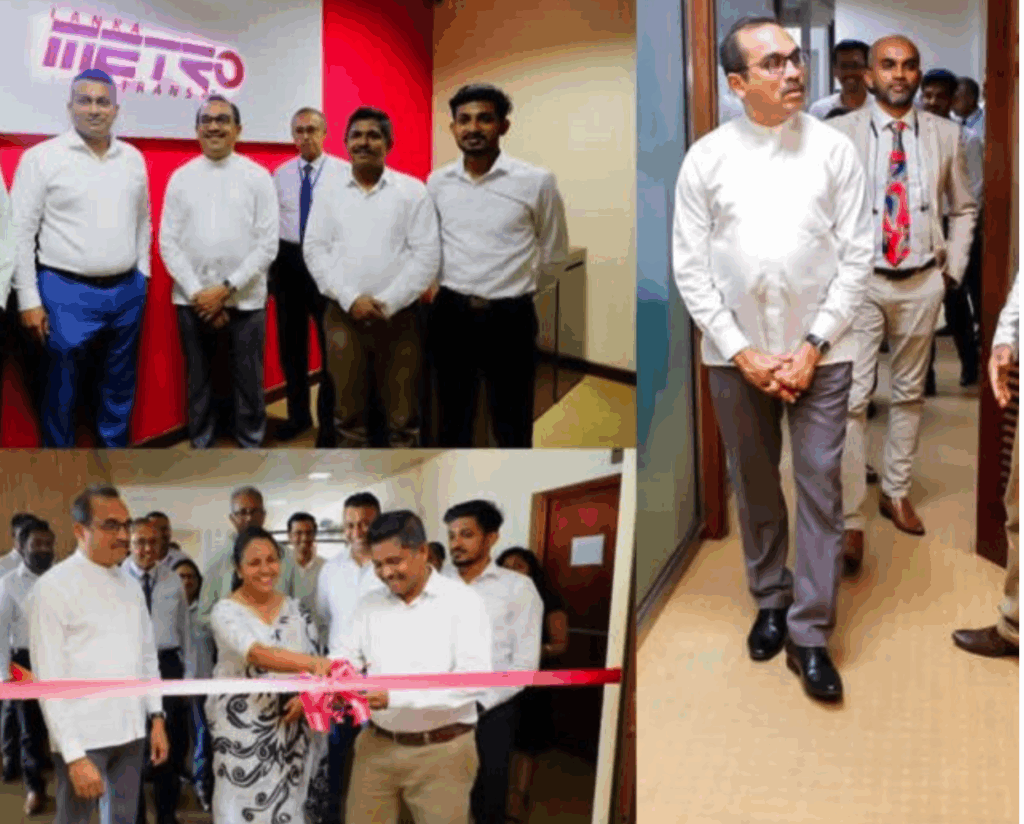
COLOMBO – The long-awaited push for a modern, digitally-integrated public transport system in Sri Lanka officially commenced on October 8, 2025, with the formal inauguration of the Lanka Metro Bus Company’s project office. Intended to operate under the purview of the Sri Lanka Transport Board (SLTB), the new company signals a strategic shift from the nation’s aging bus fleet toward comfortable, efficient, and technologically advanced commuting.
The project office was officially launched by the Minister of Transport, Highways, Ports, and Civil Aviation, Bimal Ratnayake. During the ceremony, the Minister underscored the initiative’s crucial role in achieving the President’s vision of ensuring a “comfortable commute” for the general public, aiming to ease the notorious congestion and inefficiency plaguing the Colombo Metropolitan Area.
Digital Backbone for a Modern Fleet
The most defining feature of the Lanka Metro Bus project is its commitment to adopting a “new digital methodology.” Minister Ratnayake emphasized that this transformation goes beyond simply acquiring new vehicles; it is about establishing a modern operational framework.
While specific details of the digital infrastructure remain under wraps, industry analysts anticipate this will involve a comprehensive suite of modern transport solutions, including:
- Integrated Digital Ticketing: Moving away from paper tickets and cash transactions to a common card or mobile-based payment system, ensuring seamless travel across the Metro Bus network and potentially other modes of public transport.
- Real-Time Tracking (GPS): Utilizing GPS technology for fleet management, allowing commuters to track bus locations via mobile apps, drastically improving reliability and reducing waiting times.
- Centralized Operations Management: Using data analytics to optimize routes, frequencies, and resource allocation, making the entire operation more energy-efficient and responsive to passenger demand.
“The introduction of a truly digital methodology is critical for any 21st-century urban transport system,” said a transport sector specialist speaking off the record. “It’s the backbone of efficiency. Without real-time data and integrated payment, even the best new buses will eventually fall into the same traps of congestion and mismanagement.”
The Pilot: 100 Buses for the Western Province
The ambitious project will first be implemented as a pilot program concentrated within the heavily congested Western Province. This strategy is designed to test the new operational model, digital systems, and infrastructure requirements in the most challenging environment before a national rollout.
Minister Ratnayake confirmed that the initial procurement process is already underway, with tenders having been called for 100 brand-new buses dedicated exclusively to the Metro Bus pilot scheme. While the technical specifications were not detailed, it is widely expected that these will be high-quality, likely air-conditioned, low-floor, and low-emission vehicles suitable for high-frequency urban routes.
The selection of the Western Province for the pilot phase is strategically important, as it holds the greatest potential for shifting commuters—particularly those currently reliant on private vehicles—back to public transport, thereby addressing the island nation’s worsening traffic crisis.
Significant Financial Commitment and Timeline
To finance the initial stages of this costly modernization, the government has already committed significant funding over two budget cycles. The Minister highlighted the allocation of approximately Rs. 300 million in the 2025 National Budget specifically for the initiation and procurement phase of the Metro Bus project.
Looking ahead, the commitment is set to continue, with an additional Rs. 200 million slated for allocation in the upcoming 2026 Budget. This combined funding commitment of Rs. 500 million underscores the government’s serious intent to see the project through its initial implementation phase.
Optimistically, Minister Ratnayake expressed his hope that this new fleet of 100 modern buses will be rolled out and operational for public service by the middle of 2026.
Beyond the Launch: Challenges Ahead
While the launch of the project office is a significant milestone, the road to a functional, modern ‘Metro Bus’ system is paved with challenges. The SLTB must navigate complex hurdles, including:
- Infrastructure Overhaul: Integrating modern buses requires better roads, dedicated bus lanes, and new depot facilities.
- Private Sector Integration: The successful implementation hinges on managing and integrating with the powerful private bus sector, which currently dominates many key routes.
- Sustainability: Ensuring the financial model is sustainable beyond initial government grants is crucial for long-term success.
The establishment of the Lanka Metro Bus Company and its digital vision represents one of the most substantial attempts in recent history to overhaul Sri Lanka’s public transport. The success of the Western Province pilot will be closely watched as a bellwether for the future of national commuting.
This article is based on information from the launch event on October 8, 2025, and contextual analysis of the Sri Lankan transport modernization goals.