GEOPOLITICAL PIVOT: Israel and Hamas Agree to Hostage Release and Initial Troop Withdrawal in Historic Gaza Deal
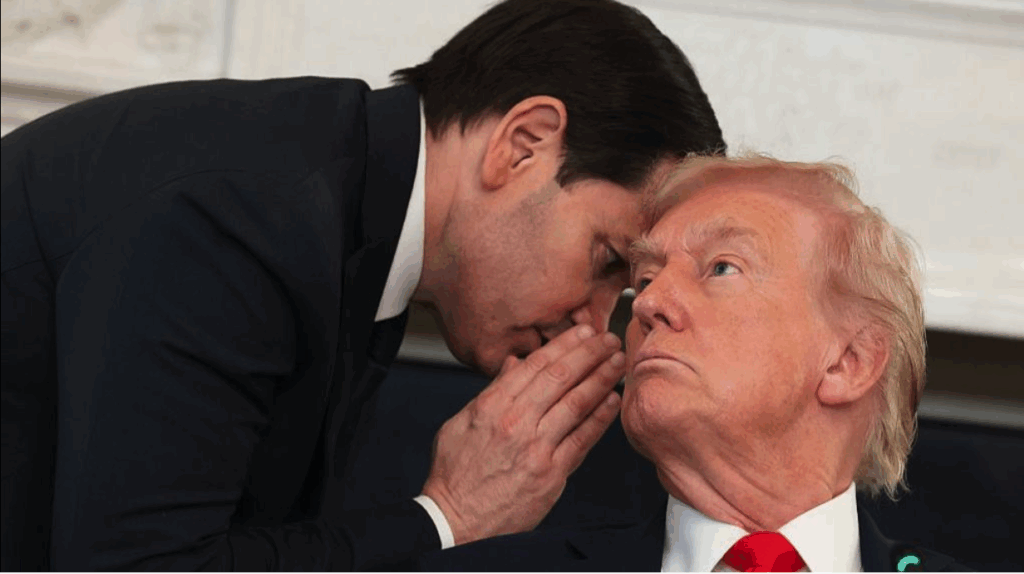
Trump says first phase of Gaza peace deal agreed, paving way for hostage and prisoner releases
By Lions Roar News Geopolitical Desk
DOHA/JERUSALEM — After months of grueling, knife-edge negotiations mediated by Qatar, Egypt, and the United States, a breakthrough agreement has been reached between Israel and Hamas that promises a temporary but profound halt to the conflict in Gaza. The deal, confirmed by multiple diplomatic sources late yesterday, centers on the release of a significant tranche of hostages held by Hamas in exchange for a multi-day ceasefire and, critically, the withdrawal of Israeli ground forces from specified areas of the Gaza Strip in its first phase.
The agreement represents a monumental, calculated gamble for both sides, marking the first time since the escalation of the conflict that both parties have formally committed to a dual framework involving both humanitarian relief and military de-escalation. The immediate relief for the families of those held captive is countered by the immense strategic and political risks accepted by the Israeli leadership, who must now grapple with the implications of temporarily ceding ground they fought bitterly to control.
The Architecture of the Agreement: Phase One Details
The agreement, described as the first stage of a multi-phased plan, is complex and heavily reliant on international verification. While full details remain fluid and subject to last-minute disputes, key elements of the initial phase have been confirmed:
1. Hostage Release: The Humanitarian Core
The immediate focus is the release of hostages, primarily women, children, and elderly citizens. Estimates vary, but sources suggest between 40 and 50 hostages will be released over a planned period of four to five days. This release is directly tied to the simultaneous release of a larger number of Palestinian security prisoners held in Israeli jails. This ratio—often a flashpoint in negotiations—is understood to be significantly weighted toward the Palestinian side, reflecting Hamas’s leverage.
2. Ceasefire and Troop Withdrawal
The most politically volatile element is the military component. The deal mandates an immediate complete cessation of hostilities for the duration of the exchange phase. Crucially, Israel has agreed to a partial, reciprocal withdrawal of ground troops from specific areas within the Gaza Strip.
This limited withdrawal is intended to facilitate the safe transfer of hostages and to allow for the massive influx of humanitarian aid. For Israel, this concession is agonizing, as it creates a vacuum that Hamas could potentially exploit to regroup, particularly in northern Gaza.
3. Humanitarian Surge
The agreement guarantees an unprecedented surge in humanitarian aid, fuel, and medical supplies into Gaza, particularly in the northern areas devastated by fighting. The ceasefire window is explicitly designed to allow international agencies, including the UN and the Egyptian Red Crescent, to operate unhindered, addressing the catastrophic food and health crises facing the civilian population.
The Political Calculus: Why Now?
The willingness of both sides to commit to this dangerous compromise stems from unbearable pressure, both domestic and international.
Israel’s Dilemma: The Hostage Imperative
For the government in Jerusalem, the deal is a direct response to the overwhelming moral imperative of securing the hostages’ release. The families of the captives have exerted relentless public pressure, often staging protests that threaten the political stability of the governing coalition.
The strategic trade-off is immense: the pause grants Hamas a crucial breathing period and forces Israeli troops to relinquish tactical advantages gained at high cost. The Israeli security establishment views the troop withdrawal as necessary for the hostages’ safety but is simultaneously wary of conceding military dominance. The government has framed the deal not as an end to the war, but as a necessary operational pause to fulfill the ethical obligation to its citizens.
Hamas’s Gain: Legitimacy and Lifeline
Hamas, battered by months of sustained military pressure, benefits strategically. The ceasefire provides its fighters with a desperately needed respite, allowing for rearmament and repositioning. Furthermore, the release of Palestinian prisoners, many convicted on terrorism charges, is a significant political victory, burnishing Hamas’s image as the protector and defender of the Palestinian cause across the region.
Most importantly, the agreement forces Israel to engage indirectly with Hamas, elevating the group’s political standing and ensuring its continued role as the central actor in determining Gaza’s fate—a point of deep contention for Israel, whose stated goal is the destruction of the organization.
The Architects of Compromise
The deal would not have materialized without the exhaustive, high-level mediation efforts. Qatar has played the central role, leveraging its communication channels with Hamas leadership. Egypt has managed the critical logistical aspect, controlling the Rafah crossing and maintaining close contact with Israeli security officials.
The involvement of the United States was pivotal, with top intelligence officials reportedly serving as key conduits between the often-unyielding positions of the parties. American pressure, both on Israel to make concessions on troop withdrawal and on Qatar to pressure Hamas on the list of released hostages, proved decisive in bridging the final gaps. The mediators were forced to employ highly unconventional methods, often shuttling proposals back and forth without either side ever directly communicating with the other.
The Roadblocks: A Fragile Bridge
Despite the signed framework, the implementation phase is fraught with immense danger and potential for collapse.
Verification and Delivery
The process of transferring hostages will be highly synchronized and contingent on continuous security guarantees. Any lapse in the ceasefire, whether accidental or intentional, could shatter the entire agreement. A major challenge is the identification of released hostages, confirming their survival, and ensuring the complex logistics of their transfer out of Gaza and into Israel via a third country (likely Egypt).
The Political Prisoner List
The list of Palestinian prisoners to be released is already a massive internal controversy in Israel. The security profile of some individuals—including those implicated in deadly attacks—will test the resolve of the Israeli government and could face judicial challenges, potentially derailing the exchange before it starts.
The ‘Day After’ Dilemma
Perhaps the gravest challenge is that this deal does not address the underlying conflict, but merely pauses it. The troop withdrawal is temporary, but the cessation of fighting grants Hamas time to analyze Israeli troop movements and restore defensive infrastructure. For Israel, the question remains: What happens when the final hostage is released and the ceasefire clock runs out?
If the first phase is successful, diplomatic efforts will immediately shift to Phase Two, which is expected to address the release of military personnel and young male civilians, requiring far greater concessions from Israel, potentially including a more permanent cessation of fighting. However, the success of Phase One is by no means guaranteed.
The agreement hangs on a fragile thread of trust, international monitoring, and the mutual, if temporary, exhaustion of both belligerents. For now, the world holds its breath, hoping that this geopolitical pivot towards peace, however limited, can hold. The coming week will be the most critical test of whether high-stakes diplomacy can interrupt the grim cycle of violence.