Shelves Stocked, But Wallets Empty: Kiwis Face Grim Reality of High Food Costs
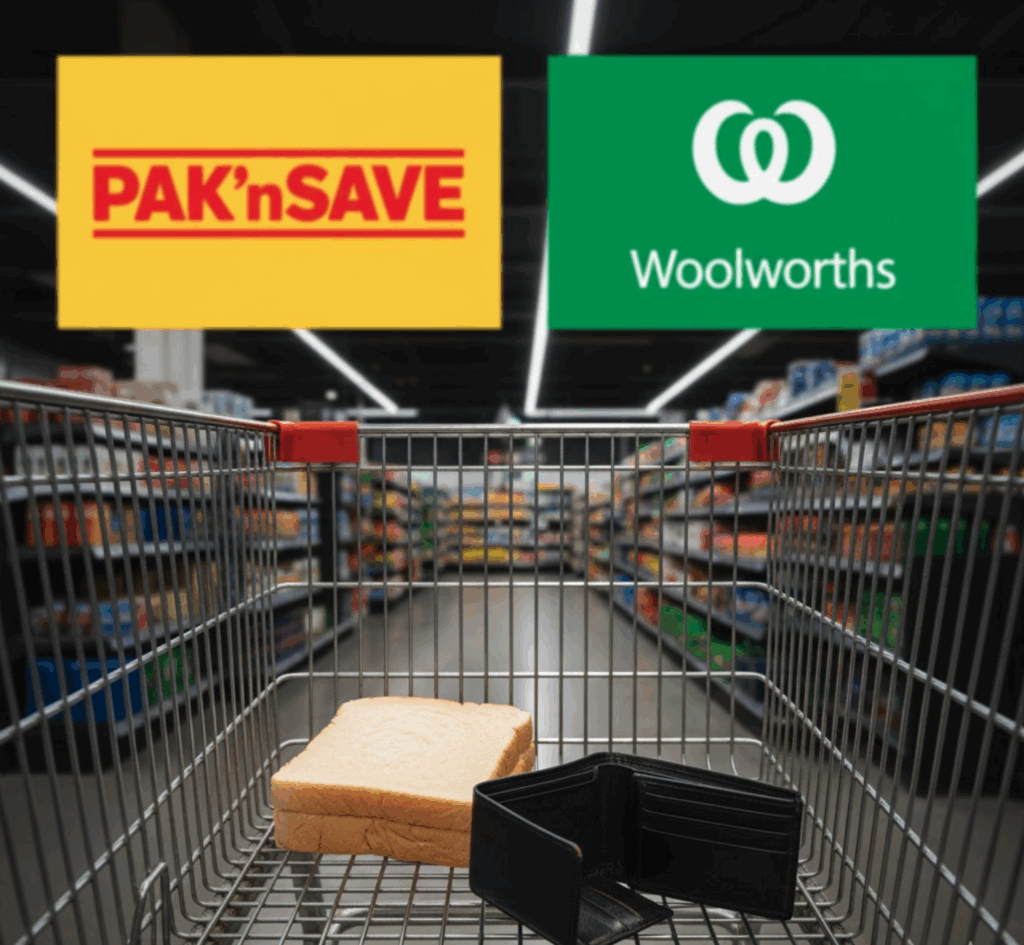
By A Lions Roar News Investigative Reporter AUCKLAND, NZ – October 18, 2025
As New Zealanders navigate the supermarket aisles this weekend, a familiar sense of dread accompanies the weekly shop. Despite official figures pointing to a slight easing of headline inflation, the stubbornly high price of groceries continues to place an immense strain on household budgets, sparking renewed calls for more aggressive government intervention in the country’s highly concentrated supermarket sector.
While the Reserve Bank’s war on inflation may be showing signs of success in other areas, the tangible cost of putting food on the table remains a persistent and politically charged crisis. For many families, the abstract concept of a falling Consumer Price Index (CPI) offers little comfort when the price of cheese, bread, and fresh produce continues to climb, forcing difficult decisions and stretching already tight finances to their breaking point.
Consumer advocates and opposition parties are now intensifying pressure on the government and the Commerce Commission, arguing that the reforms introduced following the Commission’s landmark 2022 market study have failed to deliver meaningful price relief for struggling Kiwis. The debate rages on: are Kiwis paying a fair price for their food, or are they being squeezed by a duopoly enjoying a lack of genuine competition?
The Numbers Don’t Lie: A Tale of Two Inflations
Recent data from Stats NZ has painted a complex picture of the nation’s economy. While the annual headline inflation rate has cooled from its peak, the specifics of the Food Price Index reveal a more painful reality. Fruit and vegetable prices, in particular, have shown significant volatility, while the cost of essential grocery items like dairy products, meats, and bread has remained stubbornly elevated.
This discrepancy highlights a ‘tale of two inflations,’ where the broader economic measure, influenced by items like fuel and electronics, can mask the acute financial pain being felt in non-discretionary spending. For the average household, the cost of their weekly grocery bill is a far more accurate barometer of economic health than the national CPI.
“It’s incredibly frustrating for people to hear that inflation is ‘coming down’ when they go to the supermarket and see that their trolley of essentials costs more than it did a month ago,” said a spokesperson for Consumer NZ. “The reality is that food price inflation has been sticky and severe. Our research shows that a significant number of New-Zealanders are now consistently skipping meals or buying less nutritious food simply to make ends meet. This is not just an economic issue; it is rapidly becoming a social and public health crisis.”
The Duopoly Under the Microscope
At the centre of the debate are the two dominant players in New Zealand’s grocery market: Foodstuffs (operating New World and Pak’nSave) and Woolworths New Zealand (owner of Countdown). The 2022 Commerce Commission market study concluded that competition in the sector was “not working well for consumers,” citing sustained high profits and a lack of any real competitive threat to the two major players.
In response, the government introduced a suite of reforms, including the appointment of a Grocery Commissioner, a mandatory code of conduct to govern supplier relationships, and new rules to open up the wholesale market to potential new entrants. However, critics argue these measures have been too slow and have not addressed the fundamental market imbalance.
Recent financial reports from the two supermarket giants have only added fuel to the fire, showing continued strong profits. While the companies attribute their performance to operational efficiencies and rising supplier costs, these figures are difficult for the public to stomach.
“The supermarkets tell a story of rising global costs and difficult supply chains, and while those factors are real, they don’t tell the whole story,” a leading independent economist told Lions Roar News. “The core issue identified by the Commerce Commission was a lack of meaningful competition at the retail level. Until a viable third player can enter the market and gain scale, or until the existing duopoly is forced into more aggressive price competition, New Zealand consumers will likely continue to pay more than they should.”
The Regulator’s Next Move
The Commerce Commission and the newly appointed Grocery Commissioner, are under immense pressure to demonstrate that the new regulations have teeth. The Commission is actively monitoring pricing practices and supplier relationships, with the power to issue significant fines for breaches of the new code of conduct.
The next critical step being watched is the progress on wholesale supply. The new rules are intended to force the duopoly to genuinely consider supplying potential competitors at fair wholesale prices, a move seen as essential for any new retailer to gain a foothold. The success or failure of this initiative will be a key determinant in whether the market structure can be fundamentally changed.
For the government, the issue is a political landmine. With a general election on the horizon in 2026, the cost of living remains the single most important issue for voters. The perception that the government is not doing enough to tackle supermarket prices could have severe electoral consequences, forcing them to weigh further, more drastic interventions, such as price controls or even forced asset sales—options that are complex and politically fraught.
As the weekend progresses, the quiet hum of supermarket refrigerators will be accompanied by the loud ringing of cash registers. For the foreseeable future, that sound will continue to be a source of anxiety for millions of Kiwis, who are left to wonder when, or if, meaningful relief will ever arrive.