Scientists Discover New Deep-Sea Ecosystem in the Atlantic Abyss
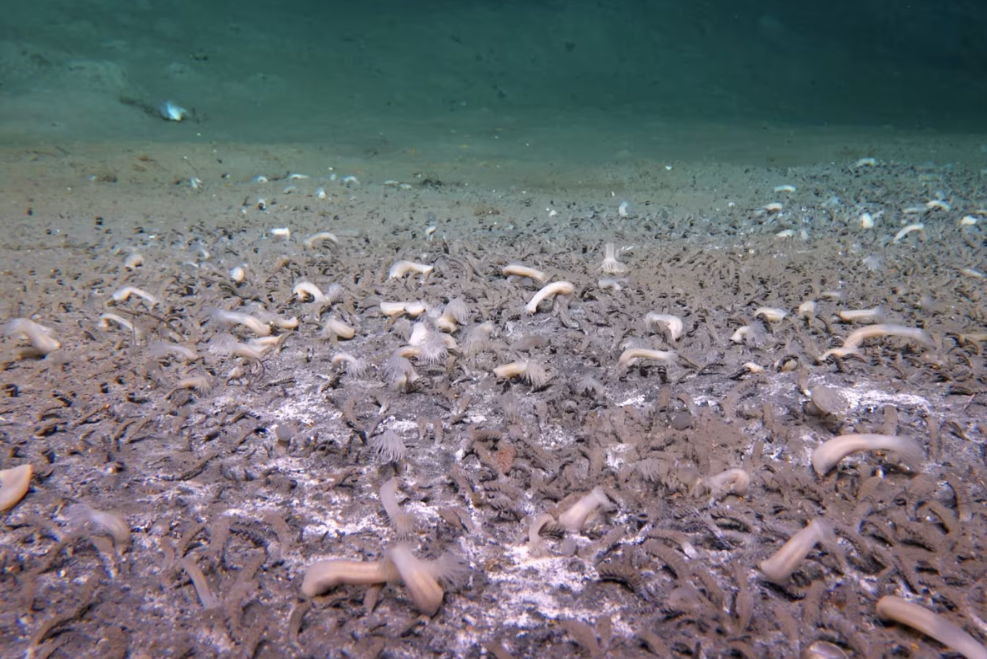
International Research Vessel “Oceanus Explorer” – August 19, 2025 – An international team of marine researchers aboard the research vessel “Oceanus Explorer” has announced the groundbreaking discovery of a unique and thriving deep-sea ecosystem in the abyssal plains of the North Atlantic Ocean. The newly discovered ecosystem, located several thousand meters below the surface, is characterized by an abundance of previously unknown species of invertebrates and microbial life thriving around hydrothermal vents and cold seeps.
The discovery was made using advanced remotely operated vehicles (ROVs) equipped with high-resolution cameras and sophisticated sensors. The ROVs explored a region of the ocean floor that had not been previously surveyed in detail, revealing a complex community of life forms adapted to the extreme conditions of the deep sea, including high pressure, low temperatures, and the absence of sunlight.
Among the remarkable findings are several new species of tube worms, deep-sea corals, and crustaceans, many of which exhibit unique adaptations to obtain energy from chemical sources emanating from the hydrothermal vents and cold seeps. These chemosynthetic ecosystems are distinct from the photosynthetic ecosystems found in the sunlit surface waters and play a crucial role in the planet’s overall biodiversity.
“This discovery underscores how much we still don’t know about the deep ocean, which remains one of the least explored environments on our planet,” said Dr. Anya Sharma, the lead marine biologist on the expedition. “The unique biodiversity we’ve found in this abyssal ecosystem highlights the importance of continued deep-sea research and the need to protect these fragile environments from potential human impacts.”
The researchers are now conducting further studies to understand the ecological relationships within this new ecosystem and to analyze the genetic makeup of the newly discovered species. Their findings will provide valuable insights into the evolution of life in extreme environments and the biogeochemical processes that occur in the deep ocean.
The discovery also raises important questions about the vulnerability of these deep-sea ecosystems to human activities, such as deep-sea mining and pollution. Scientists are urging for greater caution and the implementation of effective conservation measures to protect these unique and often slow-growing communities from potential harm. The research team plans to continue exploring other underexplored regions of the deep ocean to further enhance our understanding of the planet’s hidden biodiversity.