Safer School Zones: Auckland and Northland Drivers Face New 30km/h Highway Speed Limits
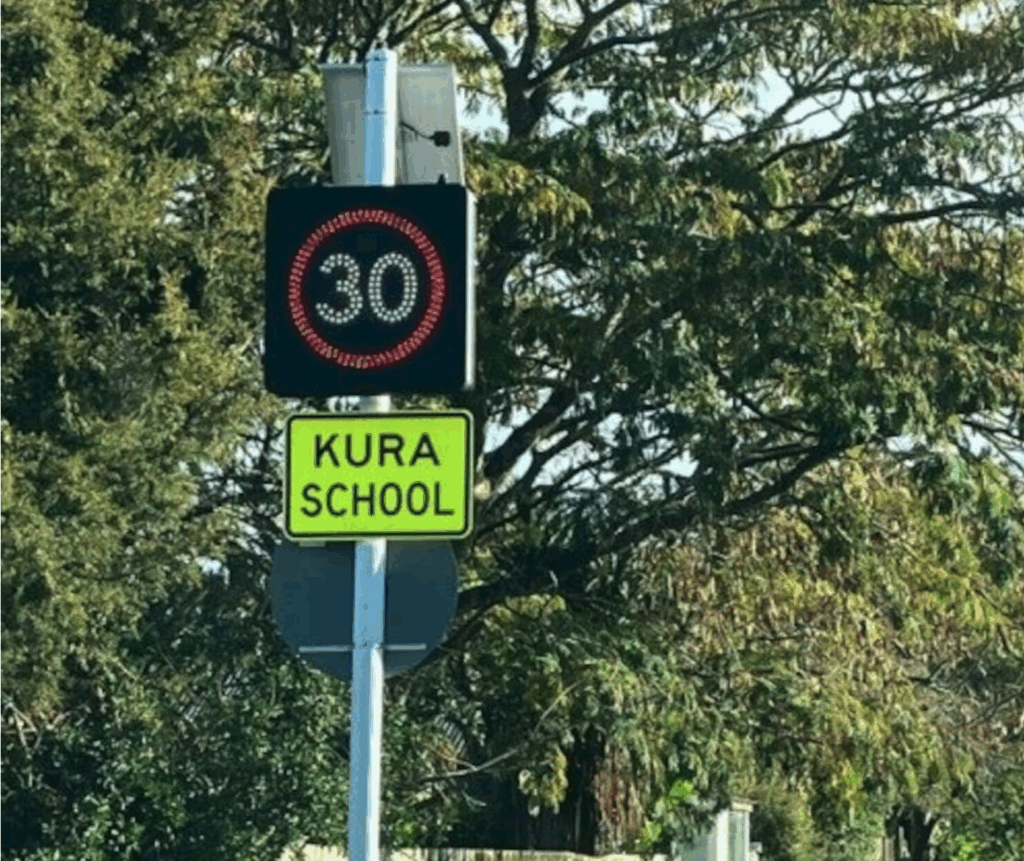
Auckland / Whangārei, New Zealand – November 25, 2025
Drivers in Auckland and Northland are now required to significantly reduce their speed around dozens of schools located on high-speed roads, as new 30km/h variable speed limits officially come into effect this week. The initiative, part of the government’s Road to Zero strategy, aims to drastically improve safety for children and pedestrians travelling to and from schools.
The widespread rollout of these new lower speed zones marks a pivotal moment in New Zealand’s commitment to reducing road trauma, particularly for vulnerable road users. Waka Kotahi NZ Transport Agency has been spearheading the implementation, working with local councils and communities to identify high-risk locations.
The New Speed Limits: Where and When
The new 30km/h variable speed limits will be enforced on designated sections of state highways and local roads directly adjacent to schools. These zones will be activated during peak school travel times, specifically before and after school, and at other times when children are likely to be present, such as during school events. Digital signage will clearly display the reduced speed limit when active, reverting to the standard highway speed at other times.
In Auckland, the new zones affect approximately 30 schools, primarily those situated on or directly accessed via state highways or busy arterial routes. This includes schools in diverse areas from the inner city to the outer suburbs, where larger roads often pose significant risks.
Northland will see the implementation around at least 20 schools, particularly those on State Highway 1 and other key regional routes where traffic volumes and speeds have historically endangered students. This covers schools from Kaitaia down to Wellsford.
The exact activation times will vary slightly depending on individual school hours, but generally, drivers can expect the 30km/h limit to be in force between 8:00 AM – 9:30 AM and 2:30 PM – 4:00 PM on school days.
Why 30km/h? The Science of Survival
The decision to implement 30km/h limits around schools is rooted in extensive international and local research on pedestrian safety.
- Reduced Stopping Distances: Lower speeds dramatically reduce the distance required for a vehicle to stop safely, giving drivers more time to react to unexpected movements from children.
- Increased Survival Rates: Studies consistently show that the impact force at 30km/h is significantly lower than at 50km/h. A pedestrian hit by a vehicle travelling at 30km/h has an 80-90% chance of survival, whereas this drops to 40-50% at 50km/h, and less than 10% at 60km/h. For children, who are smaller and less visible, these statistics are even more critical.
- Improved Perception: Slower traffic also enhances a driver’s peripheral vision and ability to identify hazards, especially children who may suddenly dart into the road.
Waka Kotahi’s Road to Zero strategy explicitly targets a 40% reduction in road deaths and serious injuries by 2030, with a long-term vision of zero road deaths. Creating safer school zones is a cornerstone of this strategy.
Community Engagement and Enforcement
The implementation process has involved significant community consultation, with Waka Kotahi and local councils working with schools, parents, and residents to identify the most critical locations and ensure public understanding of the changes.
Local police will be actively involved in enforcing the new speed limits. There will likely be a grace period involving warnings and educational campaigns, but drivers should expect ticketing for non-compliance as enforcement becomes routine. Speed cameras and increased police presence are anticipated in these designated zones.
Parents and school communities have largely welcomed the move, having long advocated for stronger protections for their children. Concerns about traffic noise, pollution, and the fear of serious injury have been persistent issues for schools located on busy thoroughfares.
This initiative follows similar successful programmes implemented in cities globally, where lower speeds around schools have demonstrably reduced accidents and fostered a safer, more pedestrian-friendly environment for young learners. The long-term impact on driver behaviour and road safety across Auckland and Northland will be closely monitored as the new rules embed into daily commutes.