New Ban on Puberty Blockers Sparks Mental Health Alarm for Trans Youth
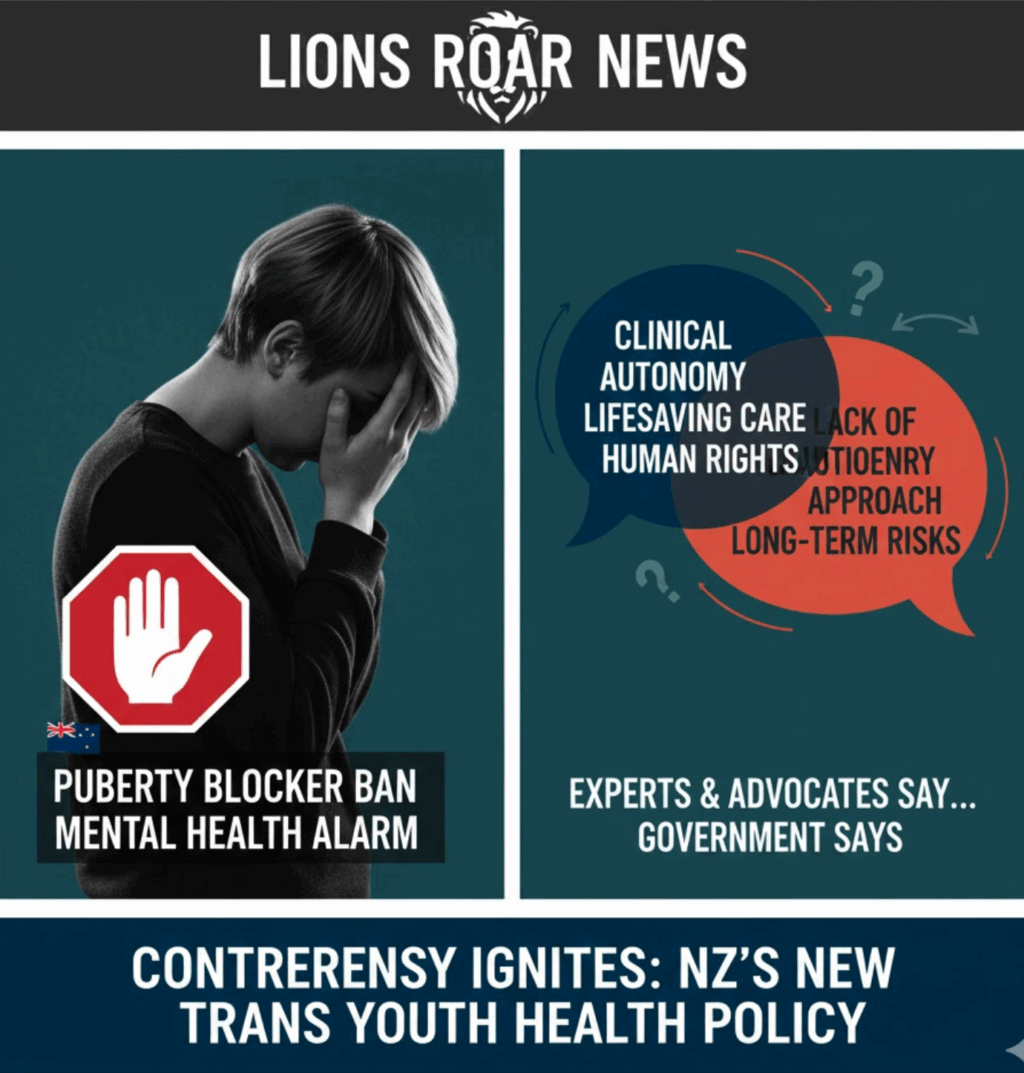
Wellington, New Zealand – November 24, 2025
New Zealand’s decision to halt new prescriptions of puberty-blocking medication for young transgender people, taking effect on December 19, 2025, has triggered intense debate and severe warnings from medical professionals and advocacy groups over the potential for a “devastating impact” on the mental health of affected youth.
The policy change, spearheaded by Health Minister Simeon Brown, aligns New Zealand with jurisdictions like the United Kingdom, Sweden, and Finland, which have tightened access to these medications amid global uncertainty over long-term risks and benefits for gender-affirming care.
The Government’s “Precautionary Approach”
Health Minister Simeon Brown (National/ACT Coalition) announced the ban, stating it was a “precautionary approach” necessary while evidence remains uncertain. The decision was based on a Ministry of Health evidence brief that reportedly found a “lack of high-quality evidence that demonstrates the benefits or risks” of using the drugs—known as gonadotropin-releasing hormone analogues (GnRHa)—for treating gender dysphoria in minors.
The new rules, which take effect next month, will remain in place until the conclusion of a major, publicly-funded clinical trial currently underway in the UK, which is not expected to be complete until 2031.
Key features of the ban:
- Halting New Prescriptions: Doctors will no longer be able to initiate new prescriptions of GnRHa for minors seeking gender-affirming care.
- Existing Patients Safe: Young people currently receiving puberty blockers for gender dysphoria will be able to continue their treatment.
- Other Uses Exempt: The drugs remain available for their licensed uses, including treating early-onset puberty (precocious puberty), endometriosis, and prostate cancer.
New Zealand First Leader Winston Peters welcomed the move, stating the decision was “commonsense to put a pause on these unproven and potentially damaging drugs for children,” an issue his party campaigned on.
Critics Warn of “Profound Distress” and Rising Suicidality
The decision has been met with immediate and fierce condemnation from the healthcare sector and LGBTQ+ advocates, who accuse the government of prioritizing an “imported culture war” over evidence-based clinical practice.
The Professional Association for Transgender Health Aotearoa (PATHA) condemned the move as an “ideologically driven ban” that will have a “devastating impact on the lives and wellbeing of our transgender and gender diverse young people.”
- Mental Health Crisis: Dr. Elizabeth McElrea, a GP specialist in gender-affirming care and PATHA Vice President, warned the ban “will lead to a deterioration in mental health, increased risk of suicidality and increased dysphoria” in gender-diverse children and young people. She noted that removing this crucial treatment option will put an already vulnerable group at higher risk of marginalisation.
- Undermining Clinicians: Critics argue that puberty blockers have been used safely for decades, are generally considered reversible, and are always prescribed with the “utmost care” by multi-disciplinary teams. The government’s move is seen as politicians overriding the informed clinical decisions made by doctors, patients, and their families.
- Inconsistency and Discrimination: Advocates highlight the inconsistency of the ban—the same medications remain available for non-gender-related conditions. This suggests the restriction is politically motivated, not a safety concern regarding the drug itself.
A recent survey of takatāpui and rainbow youth indicated the enormous value of puberty blockers, with many respondents reporting a significant improvement in mental health and a reduction in suicidality, with some stating the medication was life-saving.
The Human Rights Commission also expressed deep concern, stating that denying access to essential healthcare for trans youth represents a “serious infringement on human rights and medical autonomy.” The Commission urged the government to ensure trans youth have access to the comprehensive care they need without discrimination.
The government maintains that the new restrictions are aimed at giving families confidence that treatment is “clinically sound,” but critics argue that delaying access for up to six years until the UK trial concludes will create a “vacuum of care” with dire consequences.