Medical Brain Drain Threatens Sri Lanka’s Healthcare Amid Political Turmoil
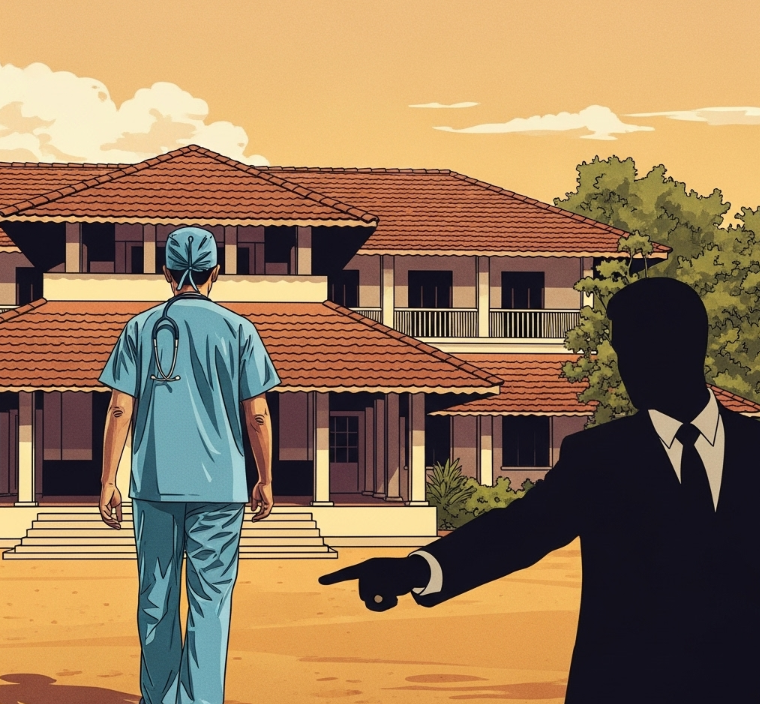
The Government Medical Officers’ Association (GMOA) has issued a stark warning that Sri Lanka’s healthcare system is sliding toward collapse due to a relentless exodus of medical specialists. In a press release this week, the GMOA reported that over 2,500 specialists are under consideration for medical migration—a move driven by frustration over inadequate pay, insufficient infrastructure, and political instability.
The exodus is adding dangerous pressure to an already fragile system. Hospitals, especially in rural areas, are increasingly understaffed and burdened by rising patient numbers. With fewer specialists available, experts warn that medical services could deteriorate rapidly, leading to extended wait times and compromised care for serious conditions. In politically sensitive contexts like Sri Lanka, the trend could be worsened by disrupted policymaking and wavering public funding, all heightening public concern.
This warning comes amidst heightened political instability in Sri Lanka, with the recent arrest of former President Ranil Wickremesinghe and ongoing debates about democratic accountability. The GMOA emphasizes that a stable political environment is essential to retain medical talent and rebuild the health sector. Without bold reforms, experts say, the brain drain may shape a chronic crisis for years to come.
Moreover, the GMOA’s message echoes broader international concern. Foreign diplomats and donor agencies, closely monitoring the island’s trajectory, may be compelled to reassess development and humanitarian assistance, particularly if vital public services begin to falter. The situation poses both a healthcare and governance challenge, testing Sri Lanka’s ability to balance political reform with human capital retention.
As of late August 2025, Sri Lanka faces a pivotal crossroads: support its healthcare professionals with strategic incentives and stability—or risk a cascade of institutional collapse that could undermine long-term recovery and moral authority.