“Kiwi Dollar Plunges as Trump-China Trade War Escalates: Global Shockwaves Hit New Zealand Markets”
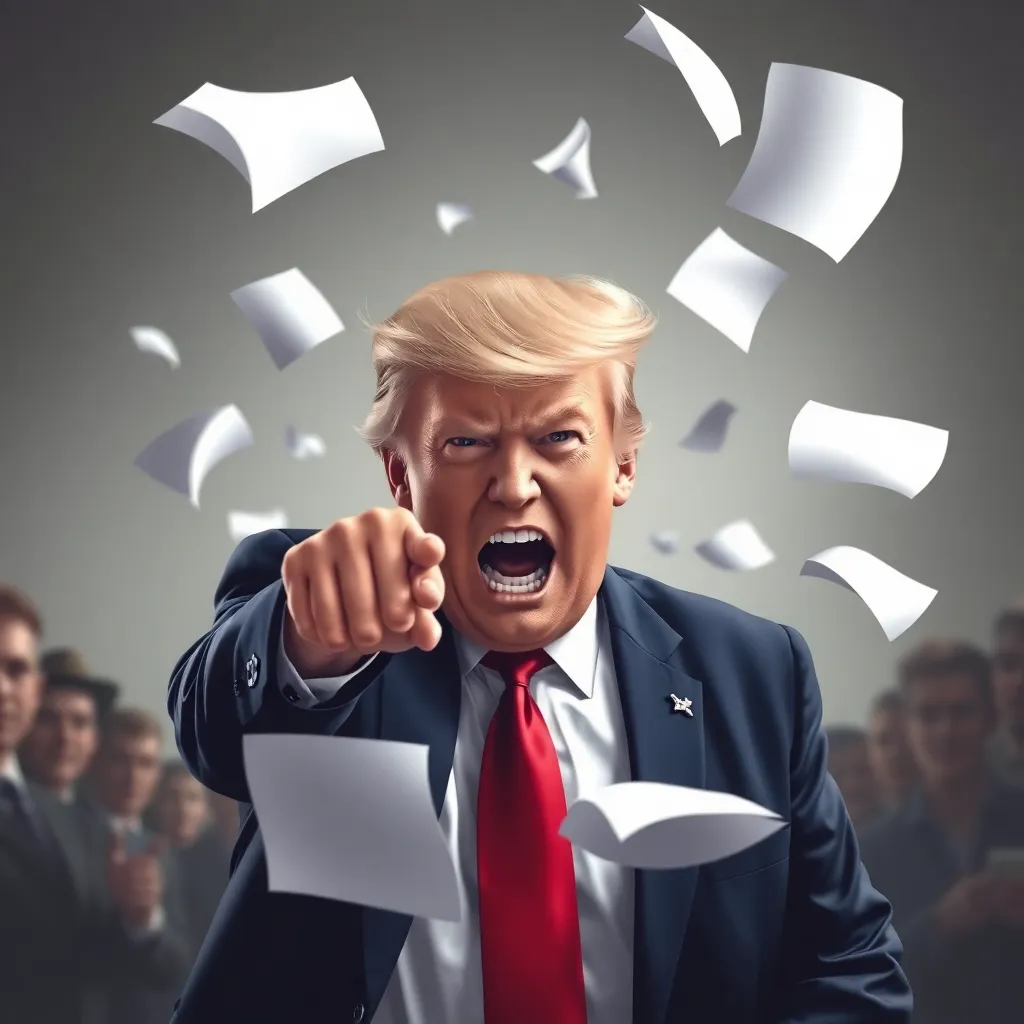
Global Markets Roiled as Trump Slaps 34% Tariffs on China in Fiery ‘Liberation Day’ Speech
Beijing Strikes Back as US President Escalates Trade War with Threat of 50% Tariffs
By Anurtadha Wanigasekara, International Correspondent
In a bold and highly charged address dubbed the “Liberation Day” speech, United States President Donald Trump on Monday (Tuesday NZT) unveiled a sweeping new round of tariffs against China, announcing a 34% levy on a broad range of Chinese imports. The move has sparked swift retaliation from Beijing, which responded in kind with a 34% tariff on American goods, set to come into effect this Thursday.
Markets around the world reacted with sharp declines, with investors bracing for a further escalation in what is fast becoming a full-blown global trade war. Adding fuel to the fire, Trump further threatened to impose an additional 50% tariff on Chinese products, a move that sent financial shockwaves through already jittery markets.

The Hong Kong stock exchange bore the brunt of the market rout, plummeting by a staggering 13.2%, its worst single-day loss in over a decade. In the United States, both the Dow Jones Industrial Average and the S&P 500 extended their losses into a third consecutive day of decline.
Closer to home, the New Zealand dollar tumbled to its lowest level in 2025, falling to US55.07 cents overnight as global investors rushed to safe-haven assets amid growing economic uncertainty. The local NZX sharemarket opened flat on Tuesday morning following a bruising session the previous day, which saw it shed 3.68% — its steepest single-day drop since the onset of the COVID-19 pandemic in March 2020.
Despite the turmoil, President Trump sought to reassure the American public, urging citizens to remain calm and not to panic over the dramatic market sell-off, which has already wiped trillions of dollars from global equities. “This is a necessary battle,” Trump said. “We are taking a stand for American workers and industries that have long been taken advantage of.”
China’s Ministry of Commerce, meanwhile, condemned the US move, calling it a “blatant violation of international trade rules” and warning of “firm countermeasures to safeguard national interest.”
Economists and market analysts are warning of a potential ripple effect through global supply chains and consumer prices, with fears mounting that the tit-for-tat tariffs could trigger a prolonged economic slowdown.
The coming days are expected to be critical as both superpowers weigh their next steps. With no sign of immediate diplomatic negotiations, markets and governments worldwide are bracing for further turbulence in what is shaping up to be a defining moment in international economic relations.