Challenges to the Sri Lankan economy with Trump’s wake up call…
U.S. Trade Shift Threatens Billions in Revenue and Thousands of Jobs
By Anuradha Wanigasekaea | Colombo correspondent
Colombo, Tuesday — In a bold and controversial move that is shaking global trade foundations, U.S. President Donald Trump has imposed a massive 44% tariff on goods imported from Sri Lanka, triggering immediate concern among exporters, economists, and government officials.
The announcement came during Trump’s high-profile “Liberation Day” speech on Monday (Tuesday Sri Lanka time), where he unveiled a new tiered tariff policy targeting low-cost manufacturing nations. Under the new rules, India faces a 26% tariff, Bangladesh 37%, Pakistan 29%, and Sri Lanka the highest rate of 44%, citing what Trump referred to as “unfair trade advantages” and the need to bring American jobs back home.
A Historic Trade Relationship Now Under Threat
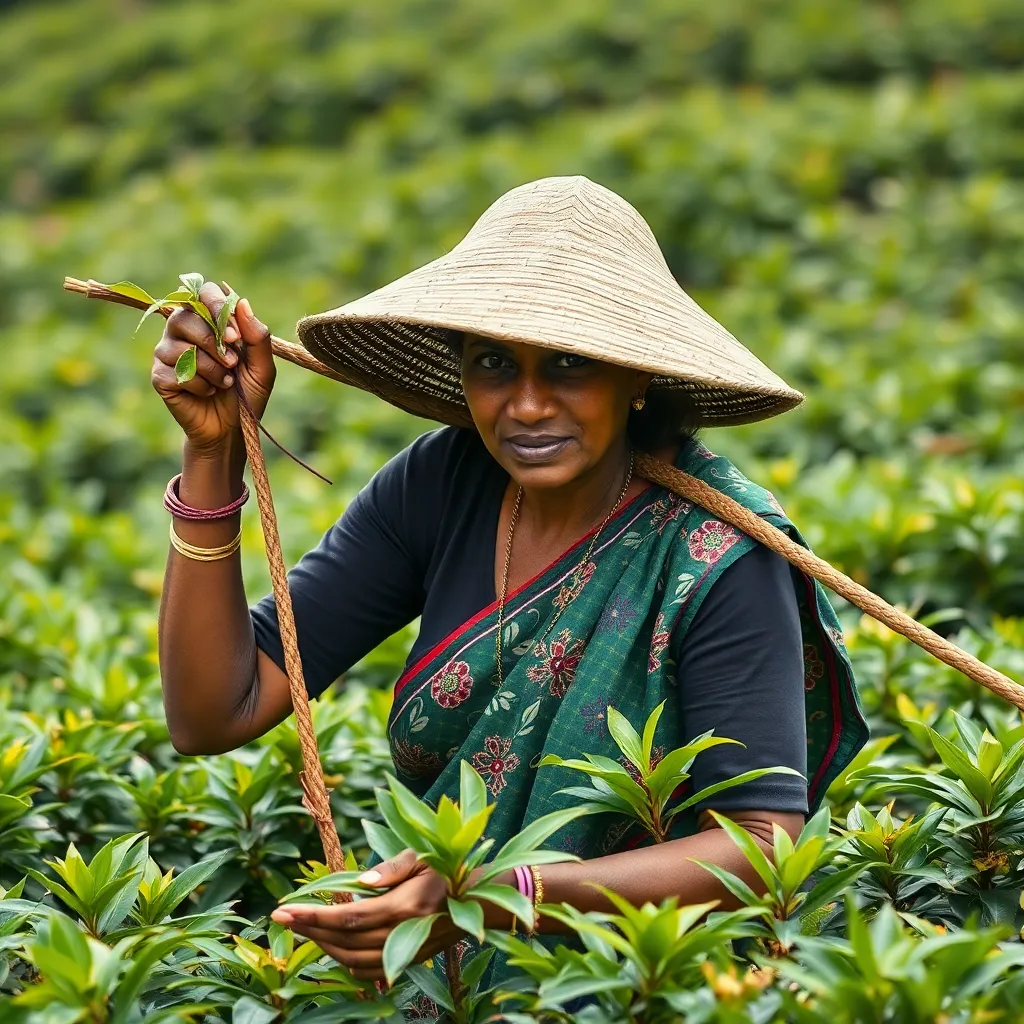
For decades, the United States has been Sri Lanka’s largest single export destination, purchasing billions worth of garments, tea, rubber goods, and ceramics annually. In 2023, Sri Lanka exported goods worth over US$2.7 billion to the U.S., with apparel alone accounting for more than 70% of the total.
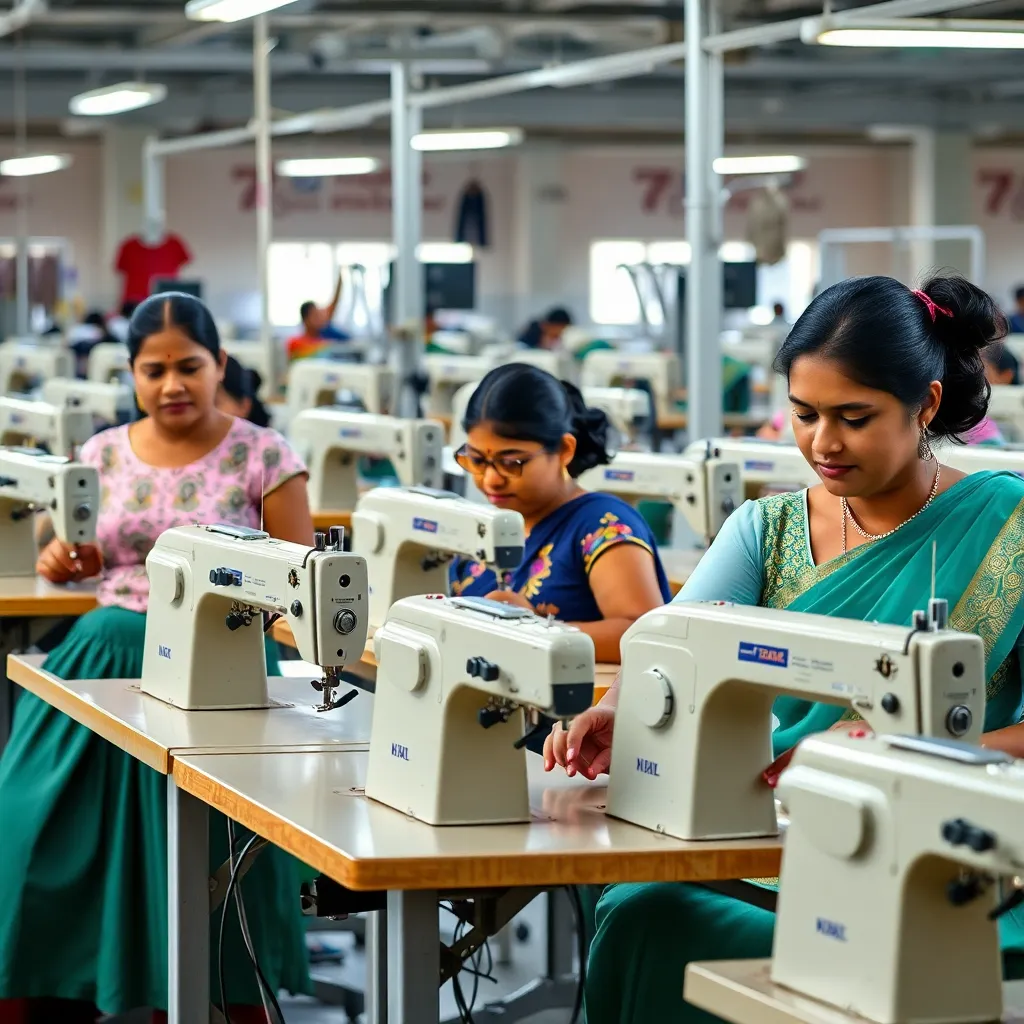
The new 44% tariff will severely disrupt this critical trade relationship, making Sri Lankan products prohibitively expensive in the U.S. market and threatening the livelihoods of nearly a million workers, mostly women, employed across the island’s manufacturing zones.
Export Sector in Crisis Mode
The apparel industry, already grappling with high raw material costs, declining orders, and global competition, is expected to bear the brunt of the impact. Rubber and ceramic exporters have also raised the alarm, warning that longstanding U.S. contracts may now be renegotiated or cancelled outright.
“This tariff will price us out of the U.S. market almost overnight,” said Sajith Jayasinghe, CEO of a leading export group in Biyagama. “We’ve built reliable supply chains and ethical factories for decades—and now we’re being blindsided.”
Government’s Urgent Response
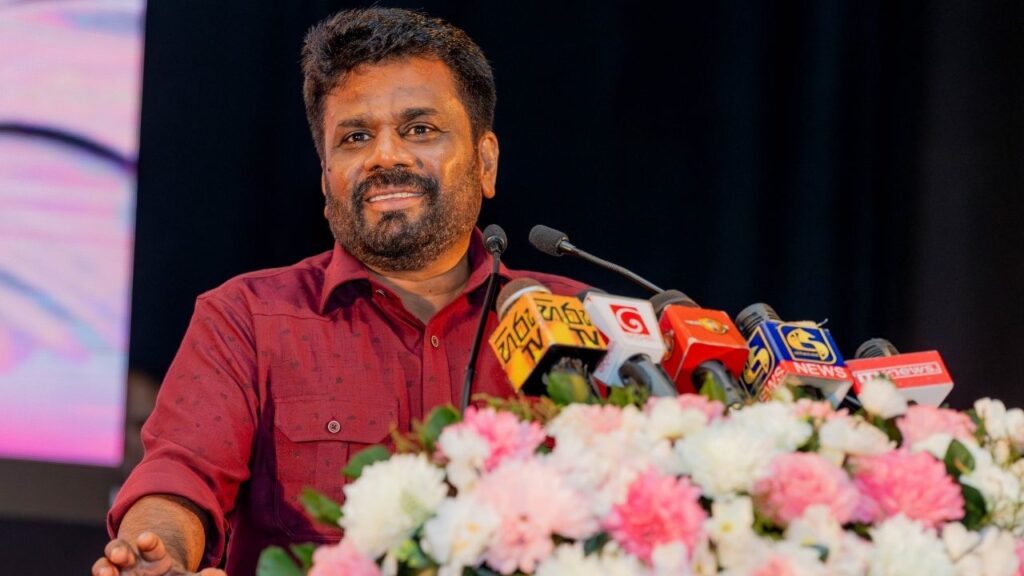
The Sri Lankan government has called the tariff “deeply unjust” and is mobilizing a swift diplomatic and economic response. President Anura Kumara Dissaneyake has summoned an emergency task force comprising trade, foreign affairs, and finance officials to coordinate a strategy.
Foreign Minister Ali Sabry announced that a special envoy will be dispatched to Washington within the week to negotiate either a rollback or a phased implementation of the tariff.
“We are reaching out through all diplomatic channels. This move, if left unchallenged, could have devastating consequences for our economy,” Sabry said.
Experts Recommend Immediate Action
Economists and trade advisors have outlined several critical actions the government should take:
- High-Level U.S. Engagement: Open direct talks with the U.S. Trade Representative and leverage international trade agreements to advocate for tariff relief or country-specific exemptions.
- Trade Diversification: Accelerate the search for new markets in Europe, Asia, and the Middle East through free trade agreements and trade missions, reducing dependency on the U.S.
- Export Incentives and Relief: Provide immediate financial support to affected exporters, including temporary tax relief, soft loans, and subsidies to avoid factory closures and layoffs.
- Strengthen Local Value Chains: Invest in domestic sourcing and vertical integration to reduce input costs and improve competitiveness across the board.
- Regional Cooperation: Work with other affected countries such as India, Bangladesh, and Pakistan to form a united South Asian trade front to jointly engage the U.S. administration.
Political Undercurrents and Geopolitical Pressure
Some analysts suggest that Sri Lanka’s increasingly close ties with China under the Belt and Road Initiative (BRI) may have played a role in Washington’s decision to impose the maximum tariff rate.
“Sri Lanka is being caught in the middle of a broader geopolitical game,” said Dr. Nirosha Fernando, senior fellow at the Institute for Strategic Trade Studies. “Washington is sending a message—not just about trade, but about strategic alignment.”
An Uncertain Road Ahead
With the new tariffs set to take effect in 30 days, time is running out for Sri Lanka to cushion the blow. While some in government remain hopeful of a negotiated solution, exporters and workers on the ground are preparing for difficult weeks ahead.
“We’ve weathered crises before—COVID, the debt default, political upheaval,” said Manori Perera, a factory manager in Avissawella. “But this… this is different. We need help. Fast.”