Health Alert: Asbestos Contamination Forces More School Closures as Play Sand Crisis Deepens
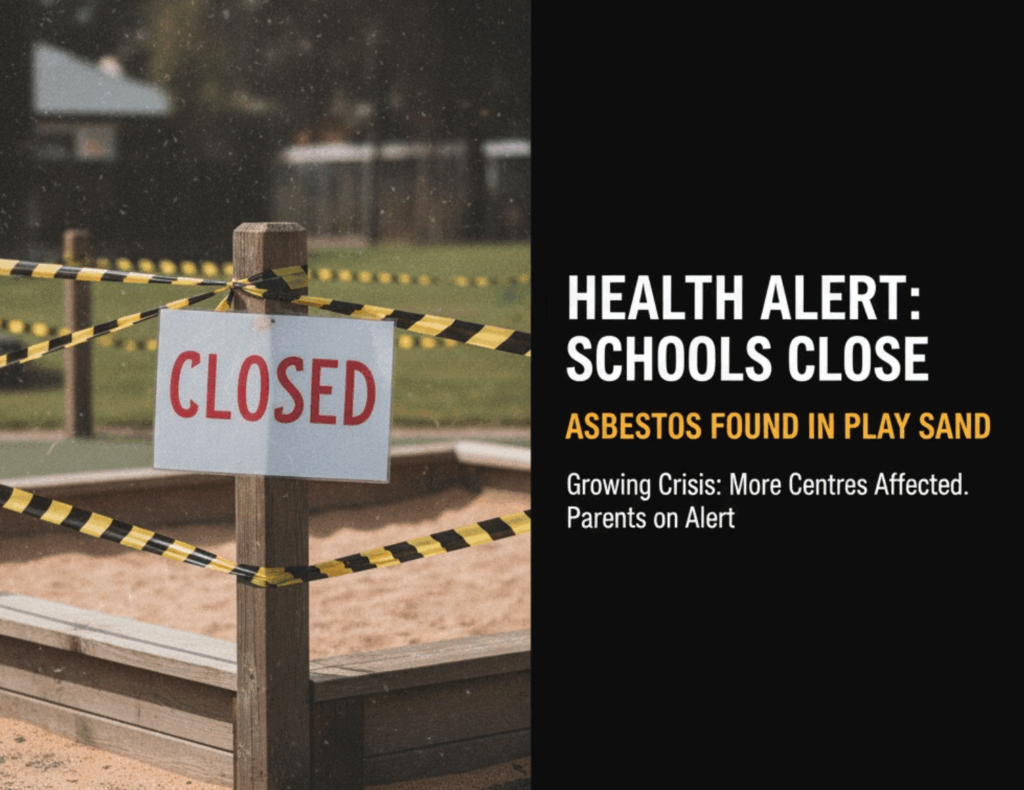
AUCKLAND, AOTEAROA – A growing health scare is gripping New Zealand’s education sector as more varieties of play sand used in schools and early childhood centres are testing positive for asbestos. This escalating crisis has triggered a fresh wave of school closures and deepened concerns among parents and educators nationwide, highlighting a critical failure in product safety standards.
The Ministry of Education, in conjunction with WorkSafe New Zealand, has expanded its urgent advisory, recommending the closure of additional learning institutions as new test results confirm the presence of asbestos fibres in previously untested batches of play sand. This follows initial reports that first raised the alarm, leading to immediate actions in affected areas.
The Expanding Scope of the Contamination
Initially, concerns were focused on specific brands or batches of play sand. However, the latest round of testing has revealed that the problem is more widespread, affecting “more types of play sand” than initially anticipated. This suggests a potential systemic issue either with sourcing, processing, or distribution of these materials.
“We are taking this situation extremely seriously,” stated a spokesperson for the Ministry of Education. “The safety and well-being of our students and staff are paramount. As soon as new positive test results are confirmed for a type of sand in use, we are advising affected schools and centres to close immediately to allow for professional assessment and remediation.”
The exact number of newly affected schools and early childhood centres is currently being compiled, but preliminary reports indicate a significant increase, impacting communities across several regions. Parents are being advised to check their school or centre’s communication channels for the latest updates.
The Dangers of Asbestos in Play Areas
Asbestos, a naturally occurring fibrous mineral, poses significant health risks when its fibres become airborne and are inhaled. Prolonged exposure can lead to severe respiratory diseases, including asbestosis, lung cancer, and mesothelioma, often many years after exposure.
In play sand, the danger lies in children disturbing the sand, potentially releasing microscopic asbestos fibres into the air. Young children, due to their developing respiratory systems and their tendency for hands-to-mouth behaviour, are considered particularly vulnerable.
WorkSafe New Zealand has reiterated the gravity of the situation. “Our primary concern is to prevent any potential exposure,” a WorkSafe representative commented. “While short-term, low-level exposure risks are generally considered low, we must act decisively to eliminate any possibility, especially where children are involved. Our teams are working with schools and specialist asbestos removal contractors to ensure thorough and safe remediation.”
The Call for Accountability and Future Prevention
This unfolding crisis raises serious questions about the importation and supply chain of materials used in educational settings. Industry watchdogs and parent groups are demanding answers regarding:
- Supplier Vetting: How were these contaminated sands sourced, and what quality control measures were in place to prevent asbestos-containing materials from entering the supply chain?
- Testing Protocols: Are current testing protocols sufficient for materials intended for use by children, particularly those sourced internationally?
- Regulatory Oversight: Is there adequate regulatory oversight of imported building and play materials to prevent such contaminants from reaching end-users?
“This is an unacceptable situation,” commented a representative from a national parents’ advocacy group. “Our children deserve to play in safe environments. We need to understand how this happened and ensure robust systems are put in place to prevent it from ever happening again.”
The Ministry of Education is coordinating with schools on alternative learning arrangements where possible, but the sudden nature of the closures is creating logistical challenges for families, especially those with working parents. The long-term impact on learning continuity and the psychological toll on communities cannot be underestimated.
As New Zealand grapples with this expanding public health concern, the focus remains on swift identification, safe remediation, and a thorough investigation into the systemic failures that allowed asbestos-contaminated play sand into the country’s schools. The full extent of the problem, and the measures required to rectify it, are still unfolding.