Critical Medicine Shortages Deepen Public Health Crisis
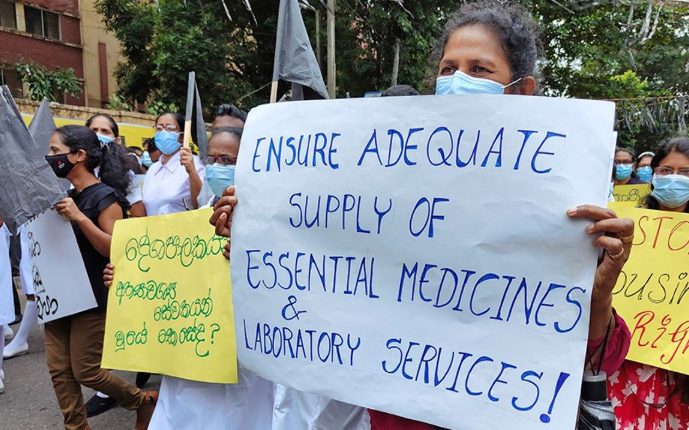
Colombo Sri Lanka Lion’s Roar reporter: Sri Lanka is currently in the throes of a deepening public health crisis, primarily driven by a critical shortage of essential medicines across the island nation. This scarcity is severely impacting patient care, forcing doctors to make difficult decisions about treatment protocols, and leaving many citizens without access to life-saving drugs. The crisis is a stark reminder of the fragile state of Sri Lanka’s healthcare system, still reeling from the economic downturn and foreign exchange shortages that have plagued the country.
The roots of the medicine shortage are multi-faceted, stemming largely from the country’s severe economic crisis which began in 2022. A significant lack of foreign currency has made it exceedingly difficult for Sri Lanka to import vital pharmaceutical products and raw materials. As a country heavily reliant on imports for its medical supplies, the depreciation of the Sri Lankan Rupee against major international currencies has compounded the problem, making even the limited available imports prohibitively expensive. This economic strain has trickled down to every facet of the healthcare sector, from public hospitals to private pharmacies.
Hospitals and clinics across Sri Lanka report dwindling stocks of everything from common antibiotics and painkillers to specialized medications for chronic conditions like diabetes, heart disease, and cancer. Patients are often turned away or given partial prescriptions, with many resorting to desperate measures, including searching black markets or appealing to family members abroad for assistance. The impact on vulnerable populations, including the elderly, children, and those with long-term illnesses, is particularly devastating, leading to preventable complications and, in some tragic cases, fatalities.
The government and health authorities are scrambling to find solutions, engaging with international organizations and donor countries for emergency aid. While some shipments of essential medicines have arrived through humanitarian assistance, these are often insufficient to meet the overwhelming demand. Furthermore, logistical challenges within the country, including distribution networks and equitable access, add another layer of complexity to an already dire situation. The crisis highlights the urgent need for long-term sustainable solutions, including strengthening domestic pharmaceutical production capabilities and diversifying import sources.
Beyond the immediate human cost, the medicine shortage threatens to unravel years of progress in public health and potentially lead to a resurgence of preventable diseases. The public’s trust in the healthcare system is being tested, and medical professionals are working under immense pressure, often forced to improvise and adapt due to resource limitations. Addressing this critical issue requires a concerted national and international effort, not just to alleviate the current shortages but to build a more resilient and self-sufficient healthcare system in Sri Lanka for the future.