Ancient Anuradhapura Irrigation Systems Undergoing Restoration
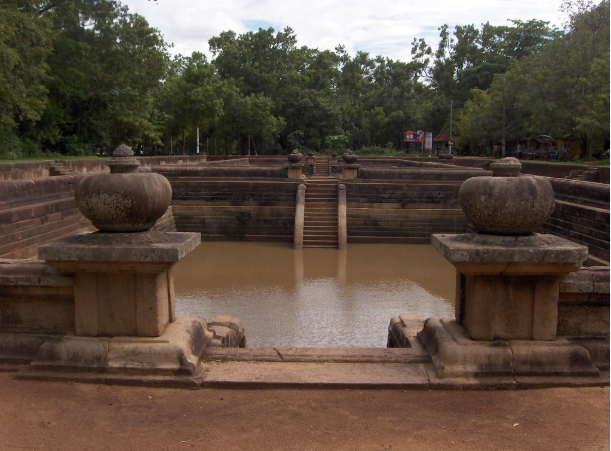
Anuradhapura, Sri Lanka – August 19, 2025 – A large-scale and historically significant project is currently underway in Anuradhapura, the ancient capital of Sri Lanka, to restore its intricate network of ancient irrigation systems. These remarkable engineering feats, some dating back over two millennia, are being rehabilitated to improve water management for agriculture in the region and to preserve these invaluable historical and cultural landmarks.
The restoration project, spearheaded by the Department of Irrigation and supported by UNESCO and various international heritage organizations, aims to repair and desilt the ancient tanks (reservoirs) and canals that formed the backbone of the sophisticated irrigation system developed by the early Sinhala kings. These systems were crucial for sustaining agriculture in the dry zone of Sri Lanka and represent a remarkable understanding of hydrology and engineering principles for their time.
Decades of neglect, sedimentation, and damage from natural events have significantly reduced the capacity and efficiency of these ancient irrigation works. The restoration efforts involve modern engineering techniques combined with traditional knowledge to ensure the long-term functionality and preservation of the systems. This includes the use of heavy machinery for desilting large tanks, as well as meticulous manual work to repair the stone-lined canals and bunds (earthen embankments).
“The restoration of these ancient irrigation systems is of immense importance, not only for improving agricultural productivity in the region but also for safeguarding our rich cultural heritage,” explained Dr. Gamini Wijesekera, Director-General of the Department of Archaeology. “These systems are a testament to the ingenuity of our ancestors and provide valuable lessons in sustainable water management for the present day.”
Local farming communities are eagerly anticipating the completion of the restoration project, as it is expected to significantly improve their access to reliable irrigation water, allowing for more consistent crop yields and a greater resilience to drought conditions. The project also includes training programs for farmers on modern water management techniques to complement the restored infrastructure.
The restoration work is being carried out with careful consideration for the archaeological significance of the sites. Archaeological teams are working closely with the engineers to ensure that any historical artifacts discovered during the process are properly documented and preserved. The project is also expected to boost heritage tourism in the Anuradhapura region, attracting visitors interested in the marvels of ancient Sri Lankan engineering.