A Nation’s EV Ambition Stalls: Sri Lanka’s Import Crisis Deepens Beyond BYD
COLOMBO – Sri Lanka’s ambitious transition to electric mobility is facing a major roadblock as a government-appointed committee expands its investigation into the import of electric vehicles with allegedly reduced motor outputs. What began as a high-profile probe into BYD, a leading Chinese EV manufacturer, has now widened to include other major brands, signaling a systemic crisis in the country’s import regulations and consumer protection frameworks. The unfolding scandal threatens to erode consumer trust, destabilize the EV market, and expose a significant loophole in the nation’s tax collection system.
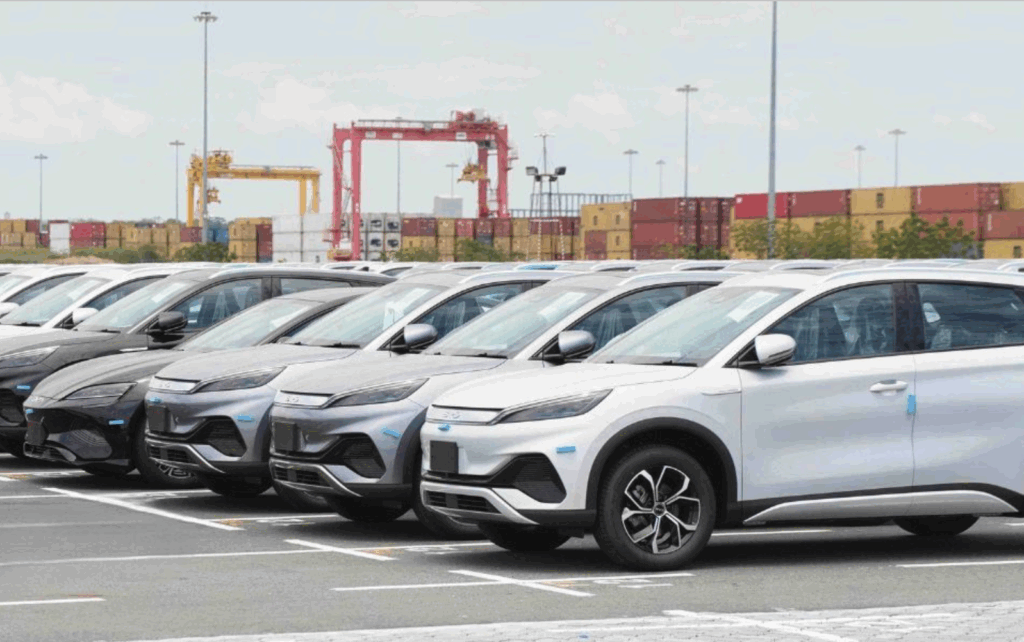
The core of the issue revolves around a technical and regulatory gray area: the taxation of EVs based on motor capacity. While Sri Lanka’s new tax regime, effective since February 2025, strictly links import duties to the vehicle’s kilowatt (kW) output, some importers are allegedly declaring lower motor capacities than the physical hardware suggests. In the case of BYD, customs officials have detained multiple consignments of popular models, including the Atto 3 and Dolphin, on the suspicion that their motors, while software-limited to a lower output, are physically capable of a higher power rating. The importer, John Keells CG Auto, maintains that the declared figures are accurate and that the vehicles are manufactured with specific market specifications in mind, a common practice in the global automotive industry.
However, the government’s newly formed committee, which includes technical experts from the University of Moratuwa, is now set to investigate whether this practice constitutes a form of tax evasion. Critics argue that regardless of the software limitations, the physical motor capacity is the true determinant of the vehicle’s value and should be the basis for taxation. This controversy has raised a critical question for both the government and consumers: should a vehicle be taxed on its “declared” output or its “potential” power? The outcome of this investigation will not only have significant financial implications for importers but could also leave unsuspecting customers with a massive tax liability.
The crisis has also exposed a broader regulatory vacuum. Sri Lanka currently lacks an independent homologation body or a standardized protocol for verifying the technical specifications of imported vehicles. This absence of a clear and consistent framework has left the door open for what some are calling a “wild west” of EV imports, where companies can exploit loopholes to their advantage. The situation has become a high-stakes battle between importers, who defend their practices as a response to global market standards, and customs authorities, who are determined to safeguard state revenue in a country still recovering from a severe economic crisis.
As the investigation expands to other brands, the full extent of the problem is yet to be known. The outcome will not only determine the fate of thousands of imported EVs but will also set a crucial precedent for Sri Lanka’s future in electric mobility. To restore market confidence and protect consumers, the government will need to do more than just investigate. It must also urgently overhaul its import regulations, establishing clear and transparent standards for EV taxation and a robust system for technical verification. Only then can Sri Lanka’s transition to a green future move forward without the constant threat of regulatory chaos and consumer uncertainty.