Mental Health Minister Signals Openness to Another Alcohol Tax Hike Amid Soaring Health Costs
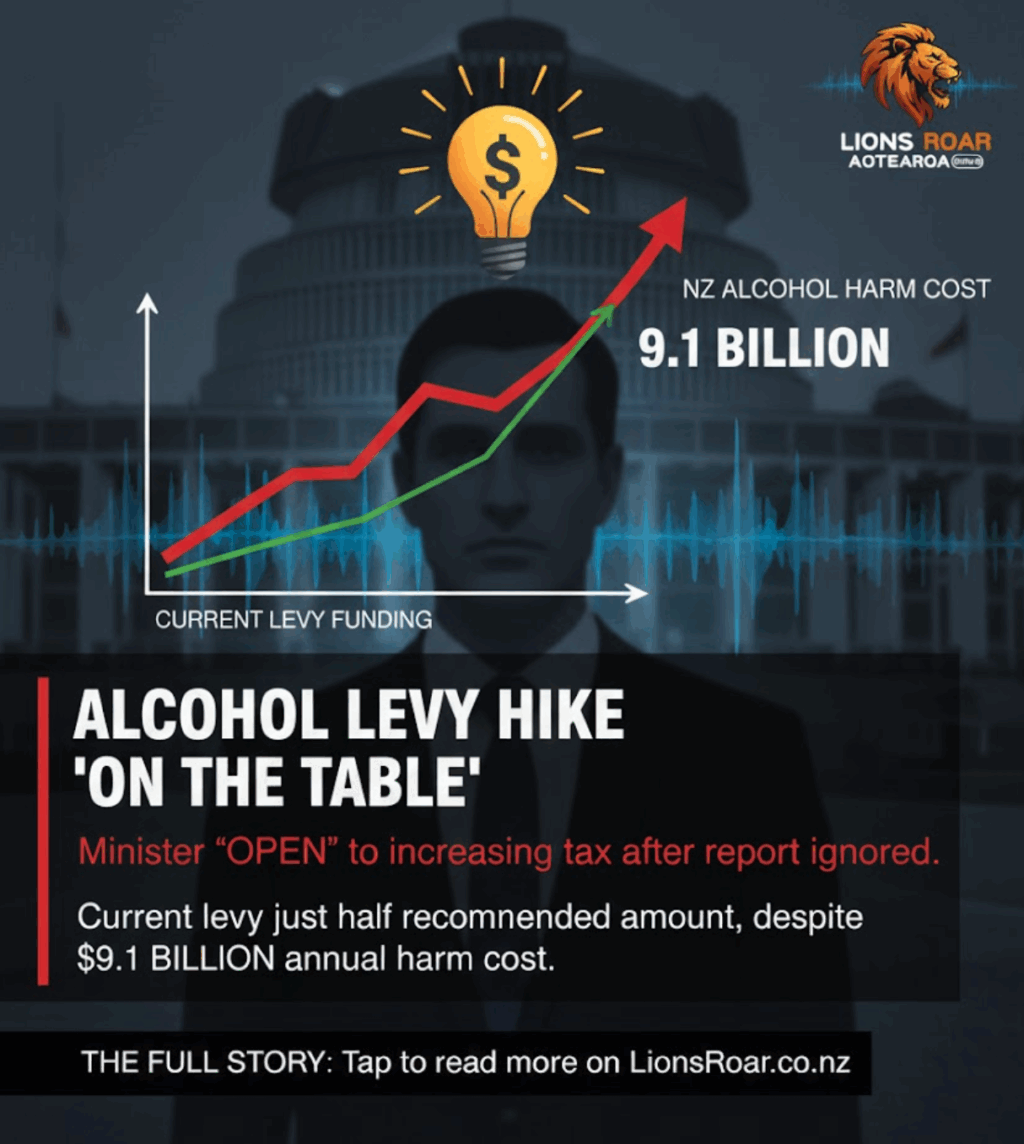
WELLINGTON, NZ — New Zealand’s Mental Health Minister, Matt Doocey, has indicated a willingness to consider another hike in alcohol excise tax, signalling a potential move to address the escalating costs associated with alcohol-related harm and mental health services. This revelation comes amidst ongoing discussions about public health funding and the significant societal impact of excessive alcohol consumption.
The suggestion of a further tax increase on alcoholic beverages follows a period of heightened public health scrutiny and financial pressures on the healthcare system. While the government has not yet formalised any such proposal, Doocey’s comments suggest a strategic shift in how the administration might approach both public health funding and the broader issue of alcohol harm reduction.
The Intersecting Crises: Alcohol, Mental Health, and Public Funds
Mental Health Minister Matt Doocey’s remarks underscore a growing recognition of the intricate link between alcohol consumption and mental health challenges. Studies consistently show a strong correlation between heavy drinking and increased risks of depression, anxiety, and other mental health disorders. The burden on mental health services, already stretched thin, is exacerbated by the downstream effects of alcohol abuse.
“We have to look at all avenues when it comes to addressing the impacts of alcohol on our communities and on our health system,” Doocey reportedly stated, when pressed on the issue of excise tax during a recent parliamentary briefing. “The costs associated with alcohol-related harm, from emergency room visits to long-term mental health support, are substantial. We need to ensure we have sustainable funding mechanisms in place, and an excise tax increase is certainly one of the levers available to us.”
This stance marks a potentially significant development, as governments often tread carefully around tax increases that can be unpopular with certain segments of the public and the alcohol industry.
Past Precedents and Industry Resistance
New Zealand has a history of adjusting alcohol excise taxes, often justified on public health grounds. Such increases aim to make alcohol less affordable, thereby reducing consumption and its associated harms. However, these measures invariably face strong opposition from the alcohol industry, which argues that higher taxes punish responsible drinkers, fuel illicit trade, and negatively impact businesses.
Industry spokespeople are likely to reiterate concerns about the economic viability of producers and retailers, particularly smaller craft breweries and wineries, which they claim are disproportionately affected by tax hikes. They often advocate for alternative strategies, such as education campaigns and targeted interventions, rather than blanket tax increases.
Public Health Advocates Applaud, Economists Weigh In
Conversely, public health organisations and advocates for reduced alcohol harm are likely to welcome Doocey’s openness to a tax hike. Organisations like Alcohol Healthwatch have long campaigned for higher alcohol prices as a proven method to reduce consumption and subsequently, alcohol-related hospitalisations, crime, and mental health issues.
“Raising the price of alcohol through excise tax is one of the most effective tools we have to reduce harm,” commented a spokesperson from a leading public health group. “It particularly impacts heavier drinkers and young people, who are often most vulnerable to alcohol’s negative effects. The revenue generated can then be reinvested directly into the very services that are struggling to cope with alcohol-related demand.”
Economists will also weigh in, analysing the potential revenue generation versus any potential economic impacts on the hospitality sector. The balancing act between public health imperatives and economic considerations will be a central theme in any future debate.
The Road Ahead: Policy and Implementation
While Doocey’s comments are an indication of openness, they are not a firm policy commitment. Any actual proposal for an alcohol tax hike would require Cabinet approval and detailed economic and social impact assessments. It would also likely involve extensive consultation with various stakeholders, including the health sector, law enforcement, the alcohol industry, and public advocacy groups.
The current government’s focus on fiscal responsibility and addressing cost-of-living pressures means that any new tax measure would be scrutinised heavily. However, the pressing demands on mental health services and the clear evidence of alcohol’s role in exacerbating these pressures provide a compelling argument for action.
As the government continues to grapple with the complexities of public health funding and the pervasive issue of alcohol harm, Minister Doocey’s willingness to consider an alcohol tax hike signals a potentially significant shift in policy direction, one that could have far-reaching implications for New Zealanders’ health and their wallets.