Sri Lanka Disaster Crisis Deepens: Death Toll Hits 486 Amid Urgent Global Recovery Efforts
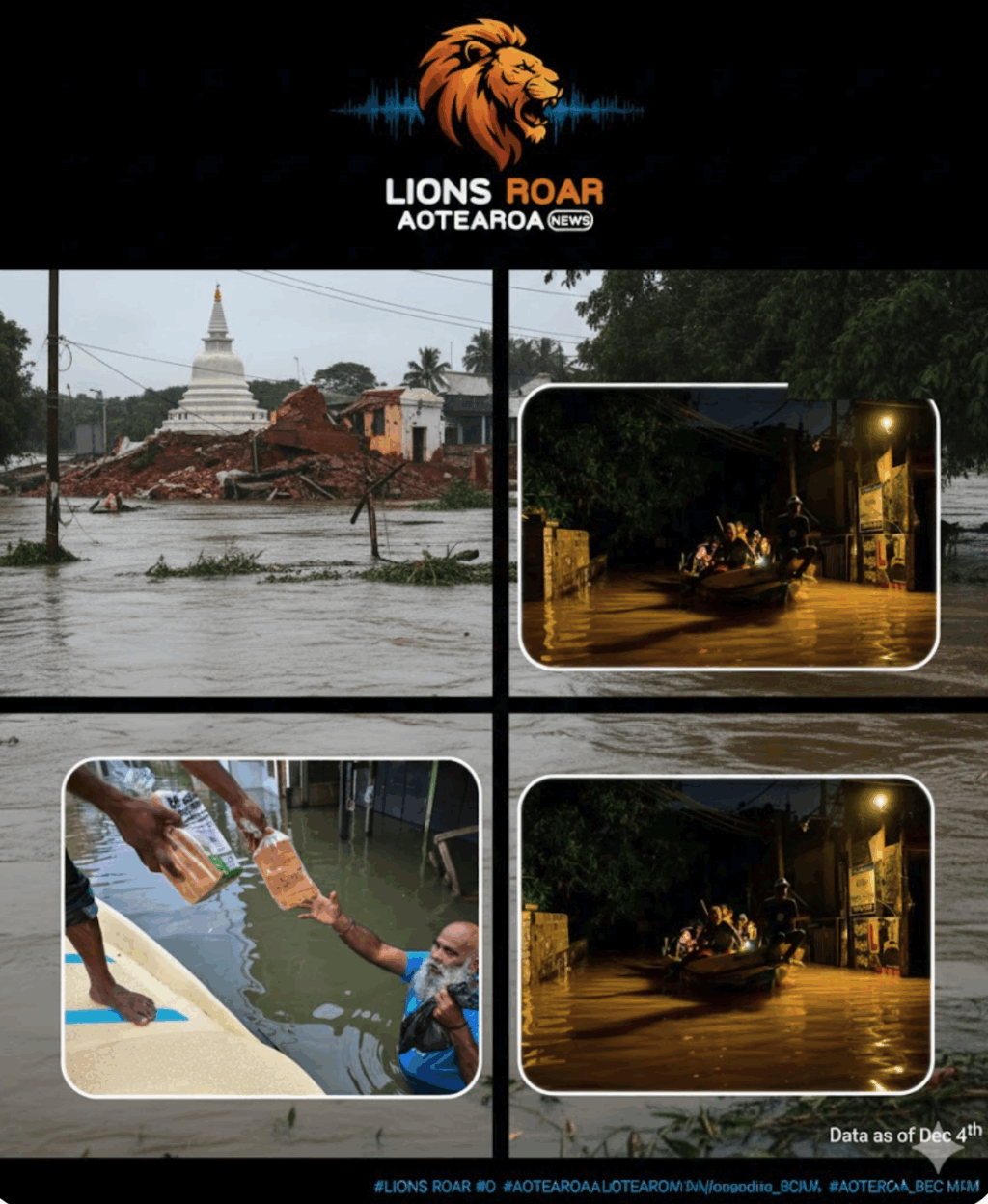
A NATION IN GRIEF: UNPRECEDENTED FLOODS AND CYCLONE CAUSE CATASTROPHIC LOSS OF LIFE AND MASS DISPLACEMENT
The Scale of the Tragedy: Initial Damage Assessment and Human Cost
The devastating period of adverse weather, encompassing a destructive cyclone and subsequent widespread flooding that gripped the entirety of Sri Lanka, has inflicted a catastrophic toll on human life and displaced hundreds of thousands, pushing the nation into a profound humanitarian crisis. As official reports continue to update the grim statistics, the sheer scale of the tragedy is beginning to fully emerge, demanding a unified, urgent national and international response.
In a somber announcement made by the Disaster Management Centre (DMC) late on the evening of December 4th, the official count of fatalities attributed to the weather system has risen sharply to 486. This figure, compiled from data covering the period from the initial impact on November 16th up until 7:00 PM on December 4th, underscores the ferocious intensity and widespread impact of the disaster, which swept across multiple provinces, leaving a trail of destruction from coastal communities to the central highlands.
The crisis is compounded by the staggering number of individuals who remain unaccounted for, fueling fears that the final death toll will rise further as search and rescue operations enter increasingly difficult phases. The DMC’s latest communiqué confirms that 341 people are still officially listed as missing. These figures reflect the brutal power of the floodwaters and landslides, which often swept away entire homes and villages, leaving little trace of their inhabitants. Search teams, comprising military personnel, police, and local volunteers, are tirelessly scouring affected areas, facing challenging conditions including mudslides, inaccessible roads, and the psychological burden of searching for missing loved ones. The efforts are centered on the hardest-hit districts, where sudden floods and major land instability led to instantaneous devastation.
Beyond the immediate loss of life, the humanitarian impact is vast. The displacement of communities has placed enormous strain on local infrastructure and relief resources. The latest data indicates that 51,023 families, comprising a total of 171,778 individuals, are currently residing in temporary safe centers established across the country. These centers, which include schools, temples, and government buildings, are providing essential shelter, food, and medical aid. The sheer number of displaced persons highlights the widespread destruction of housing, with countless homes either completely destroyed by landslides or rendered uninhabitable by severe flood damage. The immediate priority remains ensuring the safety and basic needs of these displaced citizens, particularly vulnerable groups such as children, the elderly, and those with pre-existing medical conditions. The process of transitioning from emergency relief to long-term rehabilitation and housing is set to be one of the most significant challenges in the coming year, requiring sustained national and international support.
THE ECONOMIC AND RECONSTRUCTION CHALLENGE: A NATION MOBILIZES
A Call for Solidarity: The ‘Rebuilding Sri Lanka’ Fund
In response to the monumental task of post-disaster recovery, the government swiftly launched the ‘Rebuilding Sri Lanka’ fund, appealing to citizens at home and abroad, as well as the international community, for financial assistance. The initial response, particularly from the nation’s diaspora, has been robust, demonstrating a deep sense of solidarity and commitment to the homeland.
Dr. Harshana Sooriyapperuma, Secretary to the Ministry of Finance, Planning, and Economic Development, provided an update on the financial mobilization efforts, confirming that the fund has already amassed significant resources. As of the stated date, the total contributions to the ‘Rebuilding Sri Lanka’ fund have reached nearly Rs. 700 million.
This impressive figure is the result of multiple streams of donations. Dr. Sooriyapperuma specified that the primary channel, operating through a dedicated account at the Bank of Ceylon, has facilitated over 30,470 transactions. This high volume of deposits highlights the grassroots nature of the relief effort, with individuals making both large and small contributions.
Furthermore, a critical component of the fundraising has been the influx of foreign currency donations, channeled through special accounts maintained at the Central Bank of Sri Lanka. These foreign currency deposits have contributed nearly Rs. 61 million to the total fund. Critically, these donations have arrived from overseas Sri Lankans spanning 33 different countries, showcasing the global reach and commitment of the diaspora.
The Treasury Operations Department also noted that, as of two days prior to the announcement (December 2nd), over 19,000 overseas workers had made monetary deposits, underscoring the vital role the nation’s expatriate community plays in times of crisis. This rapid mobilization of funds is crucial, providing the government with immediate liquidity to purchase essential supplies, coordinate logistics, and commence early-stage recovery projects, long before larger institutional aid packages can be finalized and disbursed. The Secretary emphasized that these funds represent the initial pillar of a long-term economic recovery strategy that aims not just to replace what was lost, but to build back more resilient infrastructure and communities.
INTERNATIONAL COOPERATION AND FINANCIAL LIFELINES
IMF Commitment: Supporting Recovery and Resilience
The catastrophic impact of the cyclone and floods on Sri Lanka’s already fragile economy has drawn the immediate attention of the International Monetary Fund (IMF), which is poised to assist the nation in mitigating the economic fallout of the disaster.
Julie Kozack, Director of the Communications Department at the IMF, addressed the issue during a press briefing, confirming the institution’s readiness to help minimize the economic damage caused by the deadly cyclone and widespread flooding that has claimed lives and displaced thousands across the country.
Ms. Kozack stated that the IMF is working in close collaboration with Sri Lankan authorities, development partners, and other stakeholders to comprehensively assess the humanitarian, social, and economic impact of the catastrophe. “Many parts of Sri Lanka have been severely affected by the cyclone. On that basis, we expect that, in addition to the tragic loss of human life, there will be an adverse impact on economic activity,” she remarked, acknowledging the dual burden of the human tragedy and the impending economic setback.
Sri Lanka is currently collaborating with its partners to conduct a rapid Post-Disaster Needs Assessment (PDNA). The completion of this assessment is crucial, as Ms. Kozack noted it will provide the necessary clarity regarding the full economic implications of the damage, thereby guiding the targeted deployment of recovery funds.
Crucially, Ms. Kozack reaffirmed the IMF’s unwavering commitment to Sri Lanka’s ongoing reform efforts through the existing Extended Fund Facility (EFF) agreement. “We will continue to support Sri Lanka’s recovery, reconstruction, and resilience under the EFF arrangement,” she stated, providing assurance that the disaster will not derail the broader economic reform program but instead necessitate a more focused approach to financing resilience.
The Director highlighted that prior to the cyclone, Sri Lankan authorities and IMF staff had already reached a Staff-Level Agreement concerning the Fifth Review under the EFF agreement back in October. This pre-existing framework provides a stable basis for continued engagement. Furthermore, she disclosed that IMF staff are actively exploring additional options to further support Sri Lanka in the recovery process, demonstrating a flexible and responsive approach to the newly emerged crisis. The IMF Board Meeting is currently anticipated to take place on December 15th.
Ms. Kozack emphasized that as the IMF gathers more information regarding the full extent of the economic needs and damage, this data will inform the final decisions on how the IMF can best provide additional assistance to the island nation. During the briefing, she also extended the IMF’s condolences to the people of Sri Lanka, as well as those affected by similar flooding events in Indonesia, Malaysia, Thailand, and Vietnam. The global nature of the weather-related disasters underscores the growing need for climate resilience planning within international financial frameworks.
GLOBAL SYMPATHY AND STRATEGIC SUPPORT
China Offers Condolences and Aid
In a significant show of diplomatic support, Chinese President Xi Jinping extended a message of deep condolences to Sri Lankan President Anura Kumara Dissanayake following the severe flood disaster that swept the island.
In his message, transmitted on December 3rd, President Xi conveyed his shock upon learning of the extensive loss of life and economic damage caused by the heavy rainfall and adverse weather conditions that struck Sri Lanka.
Representing the Chinese government and its people, President Xi expressed profound grief for those who perished in the calamity and offered sincere sympathy to the bereaved families and the affected population.
The Chinese President highlighted the enduring and deep-rooted relationship between the two countries, characterizing China and Sri Lanka as “sincere, mutually supportive, strategic cooperative partners with a traditional friendship.” He explicitly stated that China is willing to provide vigorous encouragement and support to Sri Lanka in overcoming this disaster. President Xi also expressed confidence that, under the strong leadership of the Sri Lankan government, the people would swiftly overcome the tragedy and succeed in rebuilding their homes.
This message from China, a major creditor and development partner of Sri Lanka, is critical. Beyond the humanitarian gesture, the offer of support signals international commitment to the nation’s stability and its long-term reconstruction needs, particularly in the context of ongoing debt restructuring discussions. The support from global strategic partners is seen as essential not only for immediate relief but for underwriting the necessary multi-billion-dollar investments required to rebuild damaged infrastructure, restore livelihoods, and implement climate adaptation measures to safeguard against future environmental calamities.
THE ROAD AHEAD: LONG-TERM RECONSTRUCTION AND RESILIENCE
A Unified National Response
The combined impact of the human loss, the massive displacement, and the severe economic damage means that Sri Lanka faces a recovery effort that will span years, not months. The immediate focus remains on humanitarian aid, search operations for the missing 341 individuals, and providing stable temporary shelter for the 171,778 displaced. However, the next phase must pivot towards sustainable reconstruction.
The government’s use of the Rs. 700 million raised so far, and the subsequent aid from international partners like the IMF and China, must be channeled into three core areas:
- Livelihood Restoration: Agriculture, which forms the backbone of the rural economy, has been severely hit. Rapid distribution of seeds, tools, and financial assistance to farmers is paramount. Small businesses in flood-affected towns also require grants or low-interest loans to restart operations.
- Infrastructure Resilience: The scale of the damage suggests that simply replacing damaged roads, bridges, and power lines is not enough. The reconstruction must incorporate climate-resilient engineering standards, focusing on better drainage systems, flood protection barriers, and stable infrastructure in landslide-prone areas to ensure that future weather events do not cause a repeat of this level of catastrophe.
- Psychological and Social Support: The human cost of 486 confirmed deaths and hundreds missing extends into the psychological well-being of the survivors. A long-term mental health support program for the displaced families and children, who have lost homes and loved ones, will be a necessary pillar of the recovery effort, complementing the physical rebuilding of communities.
The task ahead is immense, requiring unprecedented coordination between government agencies, NGOs, the military, and global aid organizations. The initial outpouring of national and international solidarity, evidenced by the significant contributions to the ‘Rebuilding Sri Lanka’ fund and the firm commitment from the IMF and strategic partners, provides a foundation of hope.
The nation grieves for the 486 lives lost and anxiously awaits news of the 341 missing, even as its citizens and leaders look toward the future, focused on transforming this disaster into an opportunity to build a stronger, more resilient Sri Lanka for generations to come. The upcoming IMF board meeting on December 15th will be a critical waypoint, potentially unlocking the financial mechanisms needed to turn the promise of reconstruction into tangible reality.