Road Risk: Nearly Half of Everyday Vehicles Overdue for WOF or Registration, Data Reveals
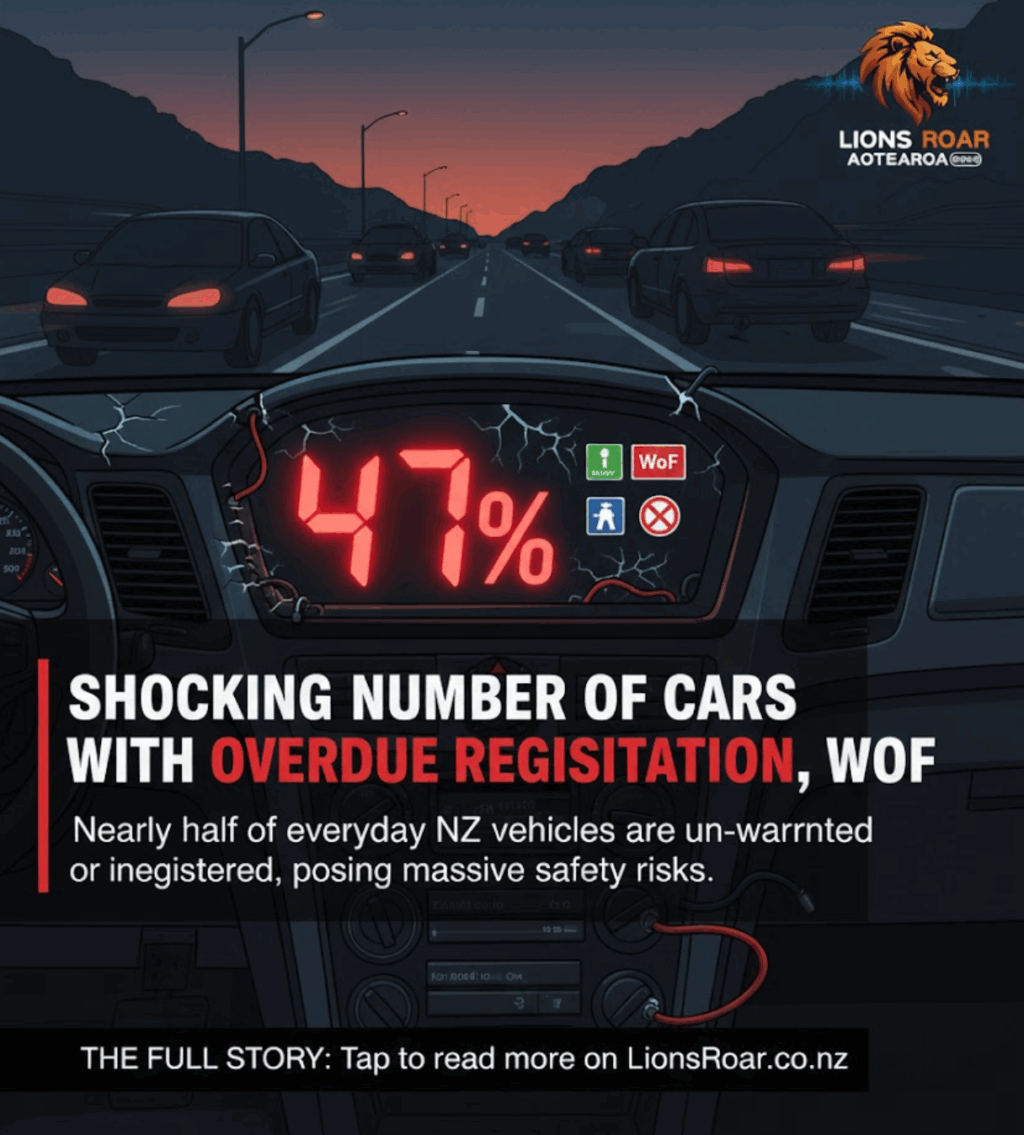
New Zealand motorists are facing serious road safety risks and potential financial penalties, with alarming new data suggesting that a shocking number of vehicles on our roads are being driven with expired Warrant of Fitness (WoF) or vehicle registration.
AUCKLAND, NZ — The true scale of non-compliance among New Zealand vehicle owners has been laid bare by recent data, which indicates that among everyday vehicles, nearly half are overdue for either their Warrant of Fitness (WoF) or their registration. This striking figure, sourced from a vehicle management app that links directly to NZ Transport Agency (Waka Kotahi) data, raises urgent concerns about both road safety and the equitable funding of national transport infrastructure.
The analysis, which crunched the numbers for tens of thousands of vehicles, provides a disconcerting snapshot of compliance across the country, showing significant regional variations and prompting calls for greater driver education and support.
The Scale of the Compliance Crisis
The data reveals that the rate of overdue inspections and licences varies dramatically across New Zealand. Regions like Northland were flagged as having the highest rate, with up to 66 per cent of warrants reportedly overdue. In contrast, major centres such as Auckland showed approximately 16 per cent overdue, while Otago had a lower figure of around 8 per cent.
While some industry experts have raised questions about the precise methodology and the definition of ‘expired’—suggesting that payments made shortly after the technical expiry date might inflate the figures—the sheer scale of the overdue vehicles points to a widespread issue. Even conservative estimates place the non-compliance rate at a level that road safety advocates find deeply worrying.
Safety and Financial Stakes
The consequences of driving without a current WoF or registration are multifaceted and severe:
- Road Safety: The primary purpose of the Warrant of Fitness (WoF) is to ensure that a vehicle is safe to drive on public roads. It checks crucial components like tyres, brakes, steering, and lights. Driving a car with an expired WoF means potentially operating a vehicle with dangerous, unaddressed faults. The Motor Trade Association (MTA) has previously warned that vehicle faults are a factor in fatal crashes, and a failure to conduct regular checks significantly increases this risk.
- Financial Penalty: Being caught driving an unregistered or un-warranted vehicle can result in an instant fine of $200 for each offence. This can quickly become a significant financial burden for struggling families.
- Insurance Risk: Insurance claims may be voided or rejected if a vehicle does not hold a current WoF, particularly if a vehicle fault that would have caused a WoF failure contributed to the accident. This gamble leaves drivers and other road users financially exposed in the event of a crash.
- ACC Funding: Vehicle registration is a mandatory licensing fee that contributes to the ACC (Accident Compensation Corporation) fund, which covers injuries on the road. As one Automobile Association (AA) representative noted, drivers who fail to pay their registration are essentially being subsidised by compliant vehicle owners, creating an inequitable funding situation for a vital national service.
Cost, Convenience, and Proposed Changes
Industry observers point to a mix of factors driving the non-compliance rates, including simple forgetfulness, the hassle of visiting inspection stations, and, crucially, affordability. For many New Zealanders, particularly in regions with higher non-compliance rates, the potential repair costs associated with a WoF failure are a major deterrent, leading them to delay the inspection indefinitely.
In response to concerns, the Government and Waka Kotahi are currently considering changes to the WoF system. Proposed alterations include less frequent inspections for newer vehicles:
- New Light Vehicles: Initial WoF extended to four years.
- Vehicles 4-10 Years Old: WoF required every two years.
- Vehicles Over 10 Years Old: Retain the current annual inspection requirement.
Proponents of the change argue that modern vehicles are more reliable and that reducing the frequency will save time and money for compliant owners. However, critics fear that relaxing inspection requirements could exacerbate existing safety issues by encouraging owners of older, potentially unsafe vehicles to delay checks further, gambling on the vehicle’s integrity.
Regardless of the proposed regulatory changes, the current data serves as a critical warning. Experts are urging all drivers to immediately check their vehicle’s expiry dates, not just to avoid a fine, but to ensure they are not putting themselves or others at risk on New Zealand roads. You can check your vehicle’s status on the Waka Kotahi website using the plate number.