Waikato University Medical School Approved with Reduced Funding
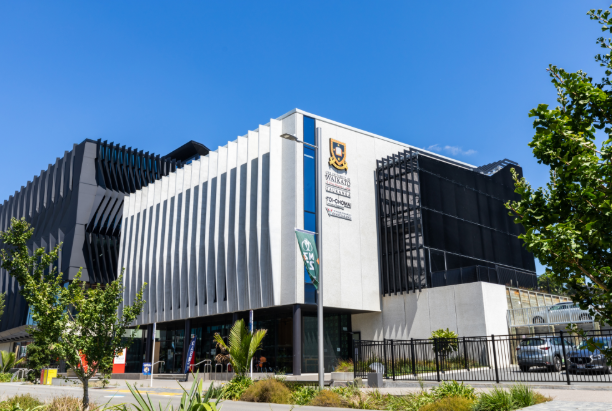
The long-anticipated medical school at Waikato University has received official approval, marking a significant step forward for medical education in New Zealand’s central North Island. However, the approval comes with a notable caveat: the government has committed significantly less funding than originally expected for the project. This disparity in funding raises questions about the school’s initial scope, its capacity to meet the region’s healthcare needs, and the long-term implications for medical training in the country.
The establishment of a medical school in Waikato has been a long-held ambition, driven by the desire to address regional healthcare disparities and foster a more geographically diverse medical workforce. Proponents argue that a local medical school will encourage graduates to practice in regional areas, thereby mitigating the ongoing challenges of attracting and retaining medical professionals outside of the major metropolitan centers. The approval, even with reduced funding, is seen by many as a vital recognition of this need and a commitment to strengthening healthcare infrastructure in the Waikato and surrounding regions.
The reduction in government funding, however, presents a significant challenge for Waikato University. Universities rely heavily on government investment for large-scale projects like medical schools, which require substantial capital outlay for infrastructure, specialized equipment, and faculty recruitment. The shortfall in funding may necessitate a re-evaluation of the school’s initial plans, potentially leading to a scaled-back intake of students, a slower rollout of programs, or an increased reliance on alternative funding sources, such as philanthropic contributions or private partnerships. This financial constraint could impact the speed at which the school can become fully operational and realize its potential.
Beyond the immediate financial implications, the reduced funding also sparks broader discussions about the government’s priorities in health and education. While the approval itself is positive, the level of investment signals a cautious approach, perhaps reflecting current fiscal constraints or a re-prioritization of national spending. Stakeholders in the health sector will be closely watching how the university manages this challenge and whether the reduced funding will compromise the quality or scope of medical training offered.
Despite the financial hurdles, Waikato University remains committed to the project, emphasizing its long-term vision for the medical school. The focus will now be on strategically utilizing the allocated funds, exploring additional revenue streams, and ensuring that the school, once established, can still effectively contribute to the health workforce needs of New Zealand. The journey to a fully functional medical school in Waikato will undoubtedly be more challenging with less government backing, but the foundational approval offers a starting point for realizing this crucial regional asset.