Government Faces Scrutiny Over FamilyBoost Policy
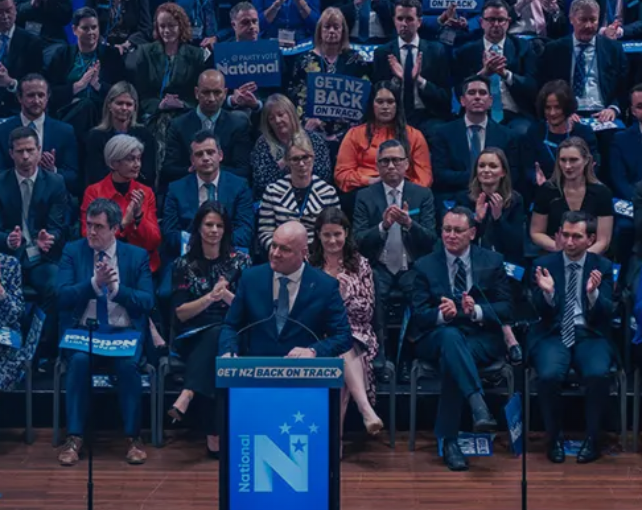
Prime Minister Christopher Luxon’s government is facing increasing pressure from the Labour opposition regarding its new FamilyBoost childcare tax credit, with Labour leader Chris Hipkins labelling the policy a “flop.” The criticism centers on the policy’s perceived ineffectiveness and questions surrounding the actual number of families benefiting from the maximum credit. This political exchange highlights ongoing debates about the government’s economic policies and its ability to deliver on its promises to New Zealand households struggling with the cost of living.
The FamilyBoost policy was introduced as a key initiative aimed at alleviating financial burdens on families by providing a tax credit for childcare costs. However, Labour’s critique suggests that the policy’s design or implementation may be failing to achieve its intended widespread impact. The specifics of Hipkins’ “flop” claim often revolve around the administrative complexity for families to access the benefit, or that the criteria for receiving the maximum credit are too restrictive, thereby limiting its reach to a smaller segment of the population than anticipated. This casts a shadow on the government’s economic management, especially given its broader narrative of providing cost-of-living relief.
The government, led by Prime Minister Luxon, has been quick to defend FamilyBoost, challenging Labour to present its own alternative policies. This counter-argument attempts to shift the focus from the policy’s alleged shortcomings to the opposition’s perceived lack of concrete solutions. Such political maneuvering is typical in a parliamentary democracy, where both sides seek to gain the upper hand in public opinion by scrutinizing each other’s policy platforms and proposing their own visions for the country’s economic future. The debate extends beyond just childcare, touching upon broader fiscal responsibility and spending priorities.
The discussion also raises questions about the practical application of new government initiatives. Policies, no matter how well-intentioned, can encounter unforeseen challenges during implementation, from bureaucratic hurdles to unexpected uptake rates. For FamilyBoost, the challenge lies in ensuring that the benefit actually reaches those who need it most and provides tangible relief. The government will likely need to address these criticisms, either by refining the policy or by providing clearer evidence of its positive impact to counter the “flop” narrative.
Ultimately, the political sparring over FamilyBoost reflects the ongoing economic pressures faced by many New Zealand families. Childcare costs are a significant expense for many, and any policy aimed at addressing this issue will naturally come under intense public and political scrutiny. The outcome of this debate will not only impact the perception of the current government’s performance but also potentially shape future policy discussions around family support and economic relief in New Zealand.