Zero Tolerance to Zero Imports: NPP’s Lalkantha Details Expulsion Policy for Thieves and a Nation’s Pledge for Rice Self-Sufficiency by 2028
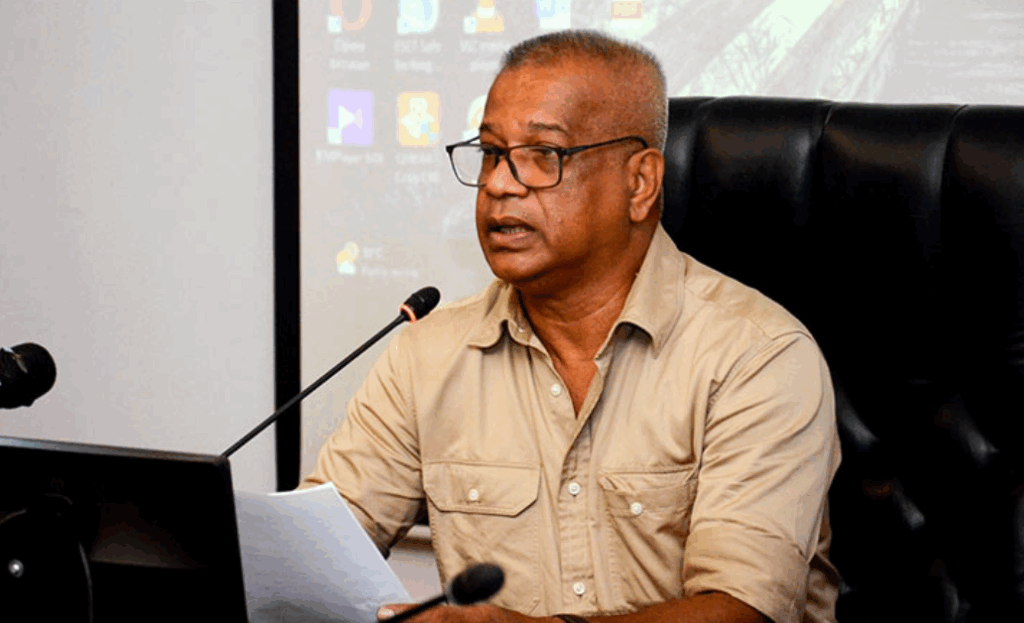
COLOMBO – The National People’s Power (NPP) government has intensified its commitment to a “system change” agenda, with a stark declaration from a key executive member that serves as both an internal warning and a national economic blueprint. Executive Committee Member and Minister of Agriculture, Livestock, Land and Irrigation, K.D. Lalkantha, has affirmed a policy of “absolutely no room for thieves” within the administration, simultaneously announcing a definitive timeline to end all foreign rice imports by 2028.
The Minister’s remarks, delivered at a recent public forum, outline a dual-pronged strategy: cleaning up public governance while strategically rebuilding agricultural self-reliance to ensure long-term national stability. The NPP’s ascent to power was largely fueled by a public mandate demanding an end to the rampant corruption that critics argue destabilized the nation’s economy.
An Uncompromising Stance on Corruption
Minister Lalkantha’s statement is a deliberate move to preempt any lapse into the patronage and impunity that have plagued past administrations. He clarified that the NPP’s anti-corruption mandate is applied without exception, effectively dismantling the traditional political hierarchy of privilege.
“Whether they are Members of Parliament, Ministers, or Chairpersons of the National People’s Power, if anyone is found linked to such corrupt activities—be it theft, fraud, corruption, or waste—they will be immediately expelled from their positions and the party itself,” Minister Lalkantha stated firmly.
This rigorous internal enforcement mechanism is designed to serve as a constant deterrent, signaling that holding a high office under the NPP carries an amplified burden of public trust. The emphasis on immediate expulsion underscores a new political reality: the political title is a privilege, not a shield.
He stressed that the consequences are not merely legal, but political, ensuring that corrupt individuals cannot merely resign their post and retain party influence. This move aims to build the public confidence essential for the broader success of the NPP’s “system change” platform, which seeks to establish a new social contract grounded in accountability, transparency, and the rule of law—the cornerstone of its flagship program, “Clean Sri Lanka.”
Furthermore, the Minister transferred a degree of responsibility to the populace, calling for constant public scrutiny. He reminded citizens that they must “constantly monitor” the actions of those in power to ensure the principles of clean governance are upheld at all levels. This call for grassroots vigilance attempts to institutionalize accountability beyond legislative bodies.
A Clear Roadmap to Agricultural Self-Sufficiency
In his capacity as the Minister overseeing the agricultural sector, Lalkantha pivoted from political accountability to economic sovereignty. He expressed profound disappointment over the decades-long failure to secure food production, which has forced Sri Lanka to use scarce foreign exchange for essential commodities like rice.
“It is a matter of deep regret that Sri Lanka, an island with such a rich agricultural history and fertile land, still relies on importing rice,” the Minister noted, framing the reliance on foreign supply as both an economic and a national security failure.
The Minister announced a highly ambitious, time-bound strategy to rectify this:
- The Goal: To completely cease the importation of rice from foreign countries.
- The Timeline: This national objective is targeted for achievement by the year 2028, ensuring Sri Lanka becomes entirely self-sufficient in its staple food.
While the NPP has not yet released the granular details of the plan, the strategy is expected to focus on structural reforms within the agricultural supply chain, including:
- Modernizing the Paddy Marketing Board (PMB): Restructuring the PMB to efficiently purchase and store paddy from farmers at guaranteed prices, thus stabilizing the market and reducing the influence of rice mill oligopolies.
- Technological Integration and Subsidies: Leveraging modern farming techniques, ensuring the timely and cost-effective provision of high-quality fertilizer, and improving water management to boost yields consistently across both the Maha and Yala seasons.
- Enhancing Buffer Stocks: Strategically managing a national buffer stock to prevent artificial shortages and price spikes, a recurring issue that has historically triggered social unrest and forced emergency imports.
The success of this 2028 rice goal is crucial for the nation’s economy, as money saved on imports can be diverted to critical debt servicing or social welfare programs. This dual focus on eliminating internal corruption and achieving national economic self-reliance perfectly encapsulates the NPP’s core promise of systemic change and responsible, independent governance.