Youth Voices: What New Zealand Teens in 2030 Want for Their Country
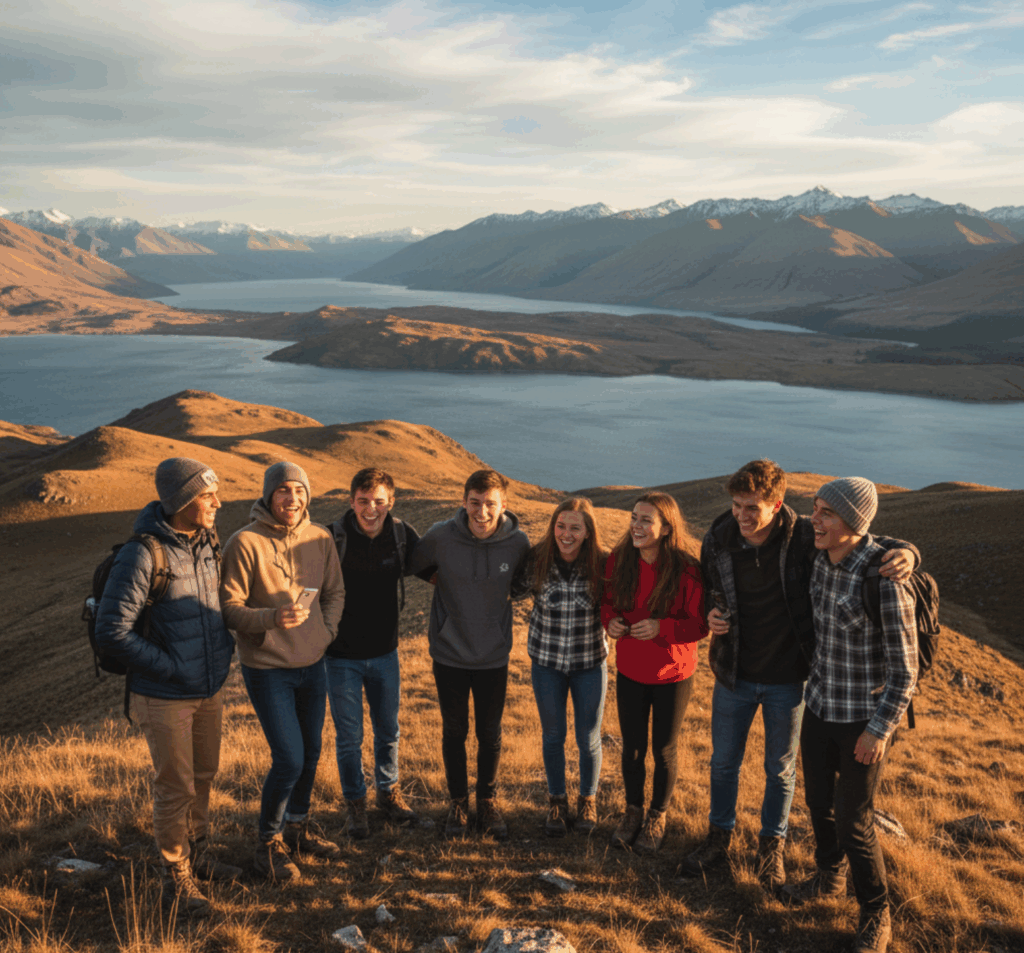
Auckland, Sept. 25 — As New Zealand looks toward an uncertain decade marked by climate challenges, rapid technological change, and social transformation, it is today’s teenagers who will inherit the nation in 2030. Their voices reveal a blend of hope, anxiety, and determination to shape Aotearoa into a country that balances opportunity with fairness, modernity with cultural roots.
In conversations with teenagers from across the country — from South Auckland to rural Otago, from iwi-led kura kaupapa to mainstream city schools — a clear theme emerged: young New Zealanders want their nation to be inclusive, sustainable, and affordable by the time they reach adulthood.
“We Need to Fix Housing Before Anything Else”
For 16-year-old Emma Lewis of Wellington, the housing crisis looms larger than almost any other issue.
“I don’t want to be 25 and still living in my parents’ lounge. If politicians don’t fix housing affordability, my whole generation will be stuck.”
Her perspective echoes widely among teens in both urban and regional communities. Many spoke of watching parents, whānau, and older siblings struggle with rent hikes, mortgages, and limited housing supply.
Climate: A Matter of Survival, Not Choice
For Māori rangatahi in Northland and Pasifika youth in Auckland, climate change is not an abstract political debate but an existential threat. Rising sea levels, floods, and cyclones are already shaping their lives.
Seventeen-year-old Talia Fale, a student in Mangere, is blunt:
“If the world doesn’t act, parts of the Pacific will be gone. Aotearoa has to step up — not just with words, but with action. We can’t let our cousins lose their homes.”
Young activists point to the 2023 Auckland Anniversary floods and Cyclone Gabrielle as turning points, demanding bolder commitments to renewable energy, stricter carbon targets, and government support for vulnerable communities.
Technology and Work: Preparing for Jobs That Don’t Exist Yet
Today’s teens are acutely aware that the jobs they may hold in 2030 might not even exist yet. Artificial intelligence, automation, and remote global work are transforming expectations.
Fifteen-year-old Jayden Ng from Christchurch said:
“School feels like it’s still teaching us for the 1990s. By 2030, we’ll need skills in coding, problem-solving, and creativity — not just memorising facts.”
Youth voices call for an overhaul of education: more digital learning, entrepreneurial training, and mental health support to help them adapt to rapid change.
Mental Health: “We Can’t Pretend Everything is Fine”
Alongside climate and housing, almost every teen interviewed raised mental health as a major issue. They described waiting lists for counselling, a lack of support in schools, and the ongoing impact of social media.
“I have friends who can’t get help for months,” said 16-year-old Aria from Dunedin. “By 2030, I want New Zealand to treat mental health like physical health — something you can get help for immediately.”
A Desire for Unity and Cultural Respect
Cultural identity also plays a central role in the aspirations of today’s teens. Māori and Pasifika rangatahi emphasised the importance of te reo Māori, Pacific languages, and indigenous leadership in New Zealand’s future.
For 15-year-old Wiremu from Rotorua:
“By 2030, I hope te reo Māori isn’t just a subject at school, but a language everyone in Aotearoa knows something of. It’s part of who we are.”
Many teens also stressed the need to fight racism, strengthen inclusivity for migrants, and celebrate diversity as a national strength.
A Collective Vision for 2030
Though their backgrounds differ, New Zealand’s teenagers share a collective vision: a country that provides homes people can afford, protects the climate, embraces cultural identity, and invests in youth wellbeing.
As one 17-year-old Aucklander summed it up:
“By 2030, we don’t want to be surviving — we want to be thriving. That means leaders have to start listening to us now.”
For policymakers, educators, and community leaders, these voices are more than youthful idealism. They are a blueprint for the future of New Zealand — a reminder that today’s decisions will define tomorrow’s nation.