Warning Siren: New Zealand’s Healthcare System ‘Not Equipped’ to Handle Inevitable Measles Outbreak
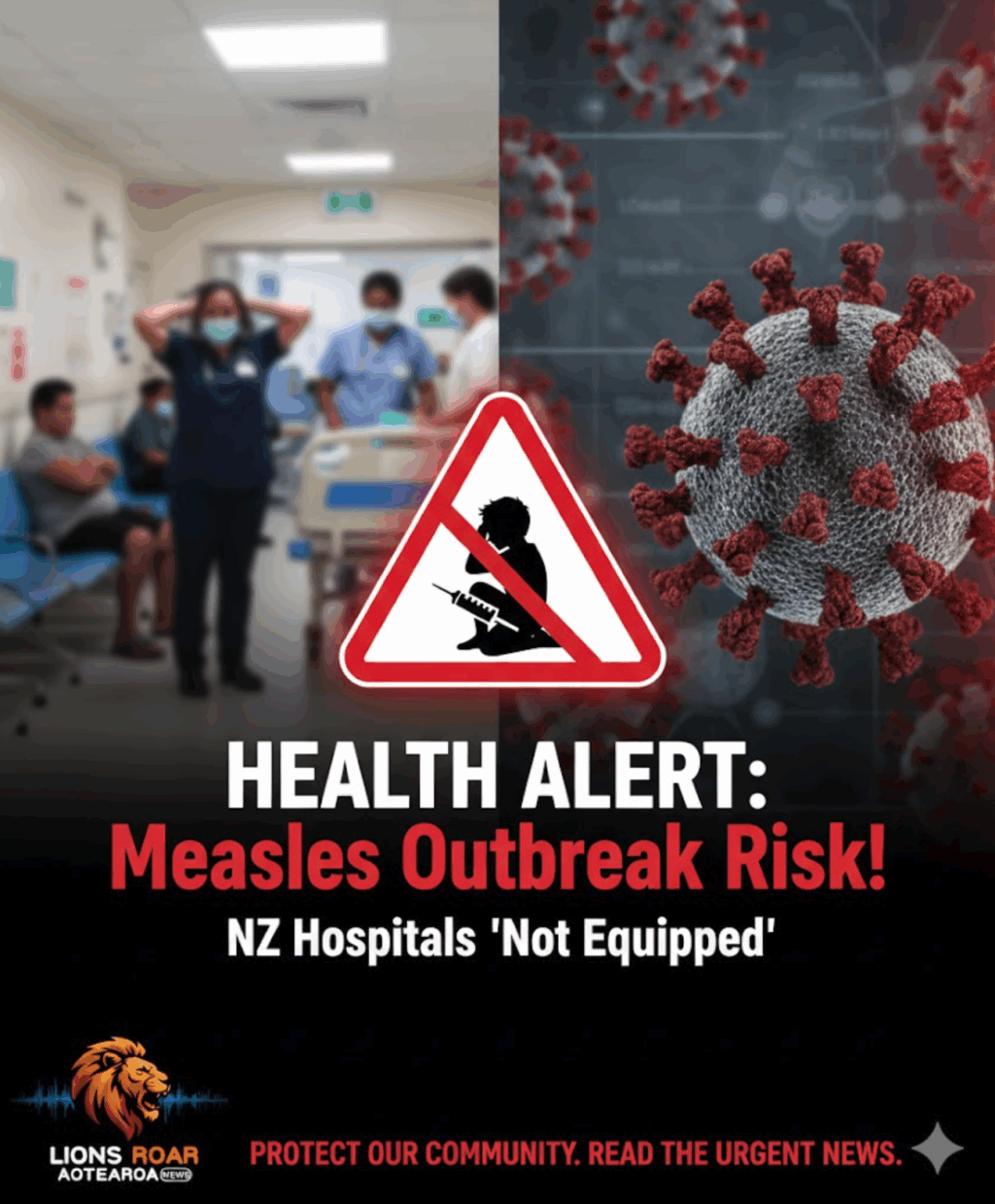
Auckland/Wellington, NZ – The alarm bells are ringing across Aotearoa New Zealand as healthcare professionals warn that the country’s already strained hospitals and general practice clinics are critically underprepared for a potential measles outbreak. With national vaccination coverage falling dangerously below the threshold required for community protection, a devastating repeat of the 2019 epidemic—or worse—is a frightening possibility that could overwhelm the health sector and tragically lead to child fatalities.
Eight cases of measles have already been confirmed in New Zealand, prompting health officials to issue stark warnings about the high risk of widespread community transmission. According to healthcare workers, who recently participated in a nationwide strike over staff shortages and poor conditions, the system simply cannot cope with any additional pressure.
The Perfect Storm Continues to Build
Mamaeroa David, a senior adviser at the Immunisation Advisory Centre and a practising general practitioner, paints a dire picture of the capacity crisis.
“Our hospital systems are overwhelmed and not coping already,” David stated. “As a GP in the community, our waiting times are three to four weeks. I’ve been a GP for 11 years, and it has never been that long.”
This unprecedented strain on primary care means that if a measles epidemic takes hold, people will be unable to get prompt appointments with their family doctor, forcing a surge of cases directly into already congested hospitals.
“The perfect storm continues to build, and it’s frightening. My biggest concern is we’re going to start actually losing children to measles this round,” David warned, underscoring the severity of the highly contagious viral disease.
Remembering the Trauma of 2019 and Samoa
The fear gripping the medical community is rooted in recent, painful memory. The 2019 measles epidemic saw more than 2,000 people contract the virus in New Zealand, with over 700 individuals requiring hospital care. Auckland was the epicentre, recording a massive 1,736 cases.
The contagion did not stop at New Zealand’s borders. A person travelling while contagious carried the virus to Samoa, resulting in a horrific epidemic that saw over 5,700 cases and the tragic deaths of 83 people, many of whom were young children in the same families.
“They’re kind of erased from our memory because then COVID-19 came along… but I have not forgotten that, and my colleagues at Middlemore Hospital have not forgotten that outbreak,” David said, noting that without prompt community care, more children will need intensive hospitalisation. “It takes a lot of care to look after kids with measles.”
The High-Risk Data Gap
The Ministry of Health itself has flagged the crisis. A briefing delivered to Minister of Health Simeon Brown in May regarding measles preparedness confirmed that vaccine coverage is alarmingly below the level required to prevent widespread outbreaks.
To achieve “herd immunity”—the level needed to stop community spread—at least 95 percent of the population must be fully covered by the MMR (Measles, Mumps, Rubella) vaccine. The latest statistics, however, show that only 82 percent of the population is covered. This 13-point gap leaves a massive portion of the community vulnerable.
The Ministry update was blunt in its assessment: New Zealand is at “high risk” of an outbreak that would undoubtedly stress the health system.
“Given existing pressures across the system, it remains likely that a large and/or prolonged epidemic would create considerable pressure on the health system that would likely require additional funding and redirection of existing resources,” the update stated, essentially confirming that the country cannot afford a major epidemic without extraordinary financial and logistical intervention.
The Urgent Call for a Vaccination Drive
Healthcare workers are unanimous: the solution is immediate, accessible, and aggressive immunisation.
“The No.1 resource that we need to be pouring into is vaccination,” David asserted. She called for the reinstatement of the highly successful, community-focused strategies utilised during the COVID-19 pandemic.
“Those community days, weekends and after-hours vaccination services that we did during COVID are very much what we need everywhere.”
The message is clear: the vaccine is highly effective and safe to administer, including to babies as young as six months in some circumstances.
“We have a very effective vaccine that will stop these kids from getting measles,” David concluded, expressing a profound fear that the country’s luck in preventing measles deaths may run out this time. “I don’t want to imagine the nightmare of another 2019 outbreak, the number of children who would have needed intensive care… and the enormous fear we’re not going to get away with a zero death rate this time.”
Lions Roar Aotearoa Radio urges all members of our community to check their family’s vaccination status immediately. Visit your GP or a local health provider to ensure your family, especially children, have the necessary MMR protection. The safety of the community relies on collective immunity.