Sri Lanka’s Northern Development Drive: A Catalyst for Prosperity or a Controversial Gambit?
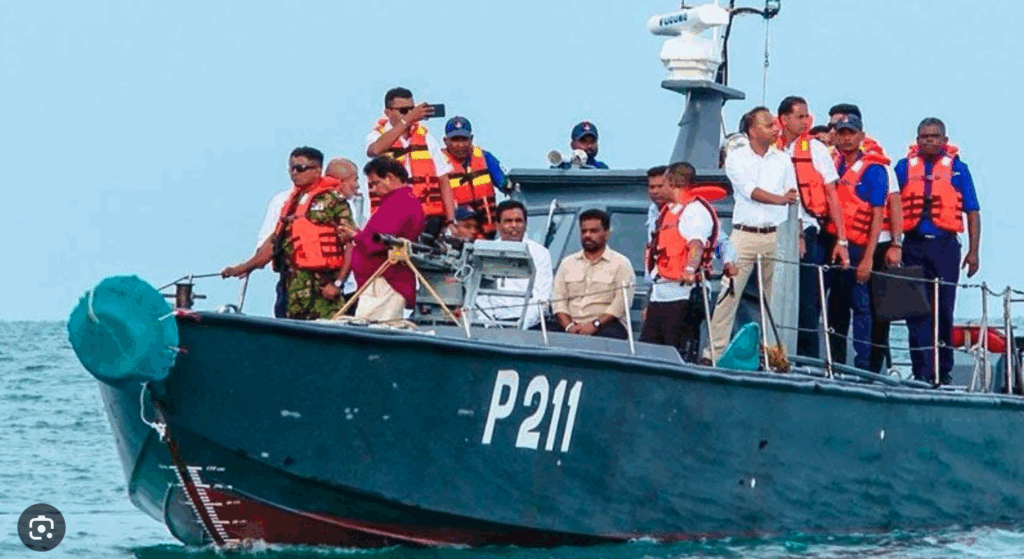
The air in Jaffna was thick with anticipation on the morning of September 2, 2025, as a new chapter in Sri Lanka’s post-conflict narrative began. With a ceremonial flourish, President Anura Kumara Dissanayake and his administration launched what they have dubbed a “national-level development drive,” with its inaugural phase squarely focused on the Northern Province. This initiative, a cornerstone of the new government’s agenda, promises to transform a region scarred by decades of civil war into a hub of economic activity. The scope is ambitious: the creation of a new “Coconut Triangle” in Mullaitivu, a state-of-the-art international sports complex in Mandaitivu, and the digital streamlining of critical public services like passport applications. Yet, beneath the veneer of progress and national unity, a potent mix of hope, skepticism, and historical grievance is simmering.
The government’s message is one of reconciliation and economic empowerment. Minister of Transport, Bimal Rathnayake, a key figure in the rollout, has repeatedly emphasized that these projects are not mere political stunts but a genuine effort to “directly benefit the people.” The focus on the Northern Province is presented as a deliberate correction of historical neglect. For many, this is a welcome change. The years following the end of the conflict in 2009 saw a slow and often uneven recovery. While some infrastructure was built, critics argued that the economic benefits did not sufficiently trickle down to the local population, and the military’s continued presence and land holdings remained a source of deep-seated resentment.
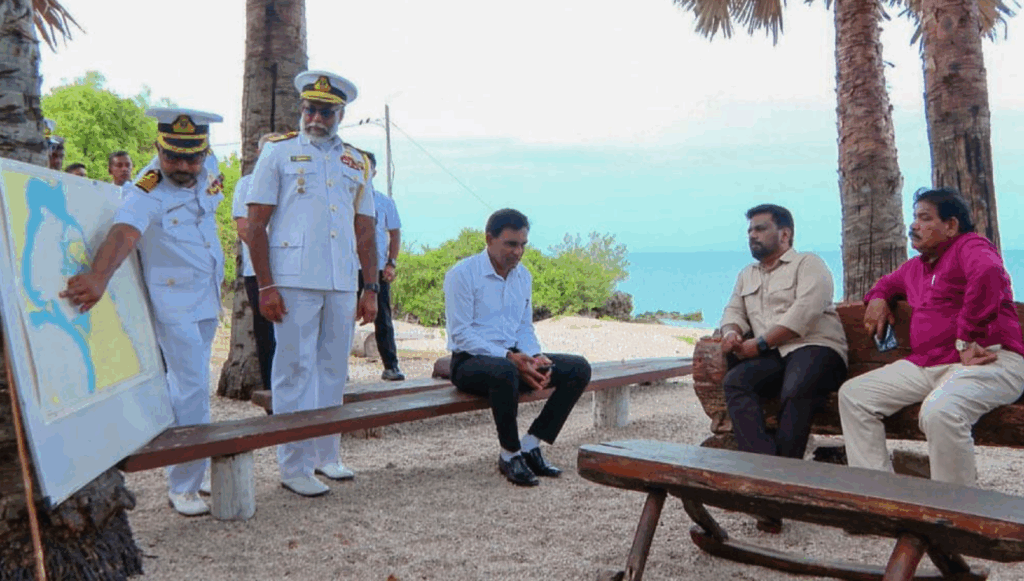
One of the most symbolically charged aspects of this new push is the president’s promise to expedite the return of all land in the North acquired by security forces. This has been a central demand of Tamil political parties and civil society organizations for years. While the promise itself has been met with cautious optimism, the devil, as always, is in the details. The process of land return has been notoriously slow and opaque in the past. Legal challenges and bureaucratic delays have often frustrated the efforts of displaced individuals to reclaim their ancestral properties. Local activists and community leaders are waiting to see if this new promise translates into swift and equitable action, or if it will be another cycle of unfulfilled pledges. The success of the development projects, they argue, is inextricably linked to the resolution of this fundamental issue of land rights. Without a secure and clear claim to their land, how can local communities truly participate in, and benefit from, these new economic ventures?
The “Coconut Triangle” project in Mullaitivu, for example, is touted as a game-changer for the agricultural sector. The plan is to leverage the region’s fertile soil and climate to create a new economic zone centered around coconut cultivation and value-added processing. However, the details on how this will be managed and who will own the land remain vague. Will it be a large-scale, corporate-led enterprise, or will it be a community-based model that empowers smallholder farmers? The history of such large-scale agricultural projects in Sri Lanka is a complex one, often characterized by land alienation and the displacement of traditional livelihoods. A truly successful model would require genuine community consultation, equitable land distribution, and robust support systems for local farmers. Anything less could risk exacerbating existing social and economic inequalities.
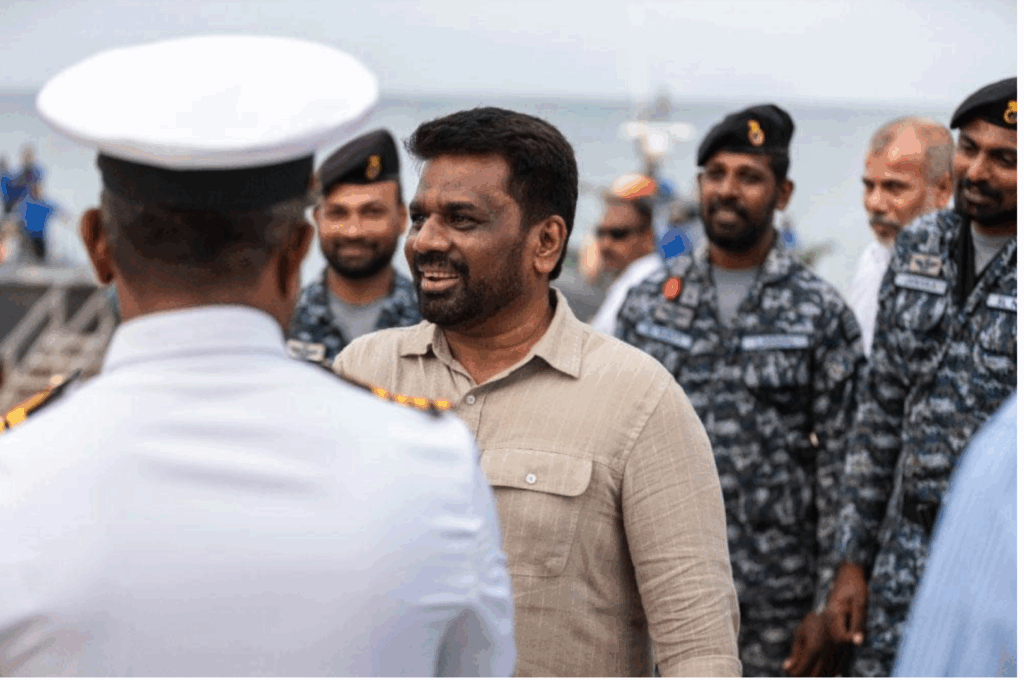
The proposed international sports complex in Mandaitivu, Jaffna, is another project drawing a mix of enthusiasm and apprehension. Proponents see it as a way to put the North on the global map, attracting investment and tourism, and providing a much-needed morale boost for the youth. The vision is of a world-class facility that can host international events and serve as a training ground for the country’s next generation of athletes. Yet, for many residents, the question is one of priority. In a region still grappling with high unemployment, limited access to healthcare, and the psychological scars of war, is a multi-million-dollar sports complex the most pressing need? Critics argue that the funds could be better utilized for building vocational training centers, modernizing local hospitals, or investing in small and medium-sized enterprises (SMEs) that would create more immediate and sustainable jobs. The project’s success will ultimately be measured not just by the ribbon-cutting ceremony, but by its tangible impact on the daily lives of Mandaitivu’s residents.
In a move aimed at directly addressing a long-standing grievance, the government is also making passport services available online through the Kachcheri (District Secretariat) in Jaffna. For years, residents of the North have had to undertake a costly and time-consuming journey to Colombo to apply for or renew their passports. The new online system, which is part of a broader push for digital governance, is a practical and welcome solution. It is a small but significant step that signals a recognition of the everyday challenges faced by the people of the region. This is the kind of practical, on-the-ground change that can build trust and demonstrate a genuine commitment to improving lives. The question now is whether the government can replicate this kind of success in more complex and politically charged areas.
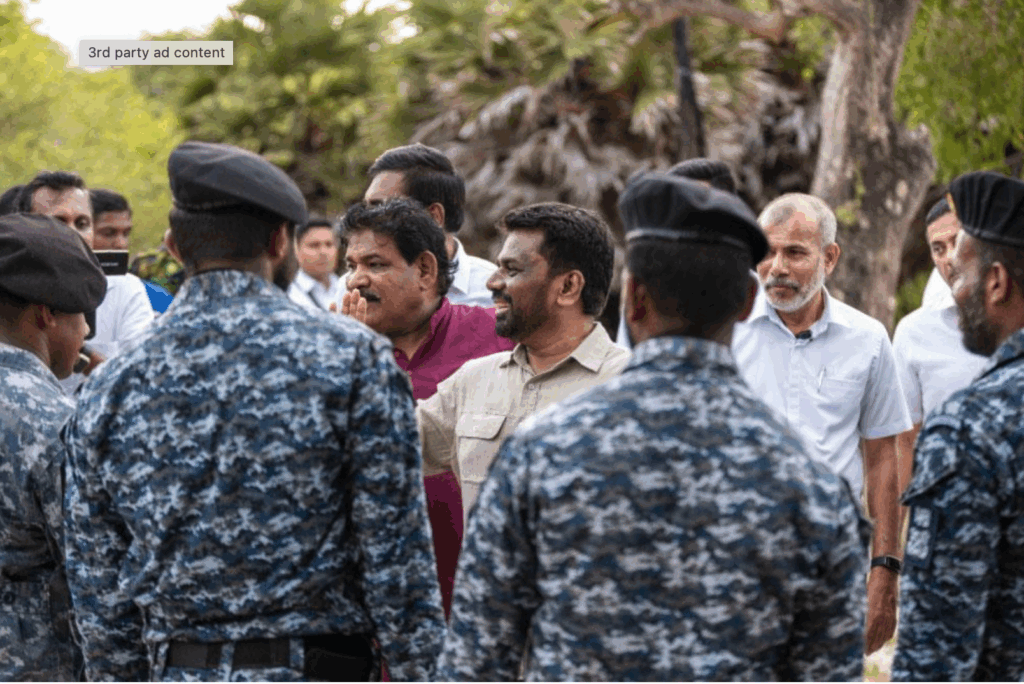
The development projects are also being viewed through the lens of political maneuvering. The current administration, which came to power on a platform of economic recovery and anti-corruption, is approaching its one-year anniversary. For some, this major announcement is a direct response to a perceived lack of progress on its campaign promises. Critics from the opposition have dismissed the projects as “pseudo projects” designed to “hoodwink” the public and distract from the government’s perceived shortcomings. They point to the ongoing economic challenges, including the need to increase foreign reserves and the slow pace of debt restructuring. The success of these projects, they argue, will be the true test of the government’s economic vision. The coming months will be crucial in determining whether the government can deliver on its ambitious promises and whether the people of the Northern Province will finally reap the benefits of a lasting peace.
The long-term success of this initiative hinges on more than just financial investment. It requires a fundamental shift in the relationship between the central government and the local communities. It necessitates genuine consultation, transparent processes, and a commitment to addressing the deep-seated historical grievances that have long plagued the North. The government’s challenge is to not only build physical infrastructure but also to rebuild trust. The future of the Northern Province, and indeed the country as a whole, depends on it. The roads, bridges, and agricultural fields being planned and built are more than just physical structures; they are symbols of a future, a future that the people of the North are cautiously hoping for and demanding to be a part of. The world is watching to see if this new development drive will be a force for genuine, lasting change, or simply another chapter in a long history of unfulfilled promises. The coming months will provide the answer, and the true test will be not in the grand announcements, but in the quiet, everyday lives of the people who call the North their home.
The challenges are formidable. The legacy of war is not just in the physical scars on the land but in the social fabric itself. High rates of poverty, unemployment, and mental health issues persist. Many families are still searching for answers about their disappeared loved ones. A truly holistic development strategy must address these multifaceted issues. It cannot be just about economic growth; it must also be about social healing and justice. The government’s ability to address these non-economic issues will be a critical determinant of the success and legitimacy of its development drive.
Moreover, the international community is also closely monitoring the situation. Global partners and investors are looking for a stable and predictable environment. The ability of the government to demonstrate a commitment to good governance, human rights, and the rule of law will be key to attracting the necessary foreign investment. The recent ADB loan for healthcare, for example, is a positive sign, but it is conditional on the government’s ability to implement the reforms effectively. The same logic applies to private sector investment. A company looking to invest in the new “Coconut Triangle” will want to be sure that land titles are secure and that local communities are on board. The government’s new initiative is therefore not just a domestic project but a signal to the international community about Sri Lanka’s future trajectory. It is an opportunity to show that the country has moved beyond its past conflicts and is ready to embrace a new era of inclusive and sustainable growth. But it is an opportunity that can be easily squandered if the government fails to address the underlying issues of trust and justice.
The development drive is a high-stakes gamble. If it succeeds, it could be a model for post-conflict reconstruction and a catalyst for a new era of national prosperity. If it fails, it could deepen existing resentments and set back the process of reconciliation. The coming months will be a crucial test of the government’s vision, its competence, and its commitment to all its citizens. The people of the North, who have waited so long for a real peace dividend, are watching with bated breath.