Sri Lanka’s Judiciary Takes on High-Profile Cases: Supreme Court to Hear Namal Rajapaksa’s Electricity Bill Case, Court of Appeal Issues Notices on Land Policy
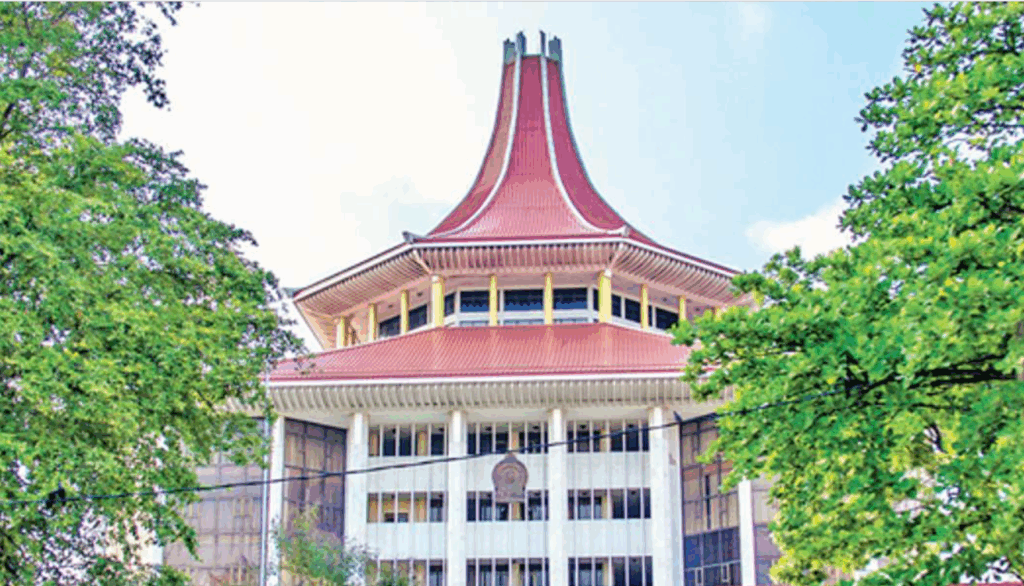
COLOMBO – Sri Lanka’s judicial system is demonstrating a proactive stance on issues of public interest, with two key legal developments capturing national attention. The Supreme Court has granted leave to proceed with a Fundamental Rights petition concerning the non-payment of an electricity bill for former Minister Namal Rajapaksa’s 2019 wedding ceremony, while the Court of Appeal has issued notices to the government in a separate case seeking a national land management policy.
Supreme Court to Examine Unpaid Wedding Electricity Bill
In a move that has been widely seen as a victory for judicial accountability, the Supreme Court has cleared the way for a full hearing into a petition regarding an alleged unpaid electricity bill of over Rs. 2.6 million for MP Namal Rajapaksa’s wedding. The petition, filed by Attorney-at-Law Vijitha Kumara, claims that the failure to settle this amount with the Ceylon Electricity Board (CEB) constitutes a violation of the fundamental rights of the Sri Lankan public.
The case, which was initially brought to light through a Right to Information (RTI) request, alleges that the CEB provided a steady power supply and generators for the wedding ceremony, which was held at the Weeraketiya residence of former President Mahinda Rajapaksa in 2019. The petition asserts that these services were provided at the request of a political figure, and the bill has since remained unsettled, while ordinary citizens face power disconnections for much smaller amounts.
This legal challenge is significant because it directly questions the principle of equal treatment under the law, a cornerstone of Sri Lanka’s Constitution. The petitioner, in a statement, argued that while his own power supply was cut off for a mere Rs. 7,390, a powerful political family allegedly enjoyed public services without payment. This disparity, the petition contends, is a violation of Article 12(1) of the Constitution, which guarantees equality before the law.
The Supreme Court’s decision to hear the case signals its readiness to scrutinize the actions of powerful individuals and government bodies. The case is scheduled for a hearing on March 17, 2026, where the CEB, MP Namal Rajapaksa, and other respondents will be expected to present their arguments. The outcome could set an important precedent for future cases involving abuse of public resources and could reinforce public trust in the judiciary.
Court of Appeal Issues Notices in Land Management Policy Case
In a separate but equally important legal development, the Court of Appeal has issued notices to key government officials, including the Minister of Lands and the Minister of Environment, in a petition calling for the establishment of a National Land Management Policy. This case, which has been in the works for some time, argues that the lack of a coherent and transparent land policy has led to widespread land disputes, environmental degradation, and corruption.
The petition, filed by a collective of civil society organizations and public interest groups, contends that the current ad-hoc approach to land management has resulted in the illegal acquisition of state land, encroachment on sensitive ecosystems, and the displacement of vulnerable communities. By issuing notices, the Court of Appeal is compelling the government to officially respond to these serious allegations and provide its stance on the need for a comprehensive policy.
This legal action is a direct response to longstanding concerns about land governance in Sri Lanka. The petitioners argue that a clear, public land management policy is essential for ensuring equitable access to land, protecting natural resources, and promoting sustainable development. Without such a policy, they argue, land will continue to be a source of conflict and a vehicle for corruption.
The Court of Appeal has instructed the government to submit its responses by November 28, and the case will be heard thereafter. The decision to take up this petition underscores the judiciary’s role as a check on executive power and a guardian of public interest. It highlights the growing trend of citizens and civil society using legal avenues to demand better governance and accountability from their leaders.