Sri Lanka’s Chemmani Mass Grave Excavation Halted Amid Funding Shortage
Colombo, September 8, 2025 – A chilling chapter of Sri Lanka’s past has resurfaced in the spotlight as the long-delayed excavation of the Chemmani mass grave in Jaffna has been abruptly halted due to a shortage of government funding. The pause has sparked criticism from human rights groups, political parties, and families of victims who have waited more than two decades for truth and justice.
Background: A Grave Unearthed from War’s Shadows
The Chemmani mass grave site came into public attention in 1998 when former Sri Lankan soldier Lance Corporal Somaratne Rajapakse, convicted for rape and murder, alleged that security forces had buried bodies of hundreds of Tamil civilians during the height of the country’s civil conflict.
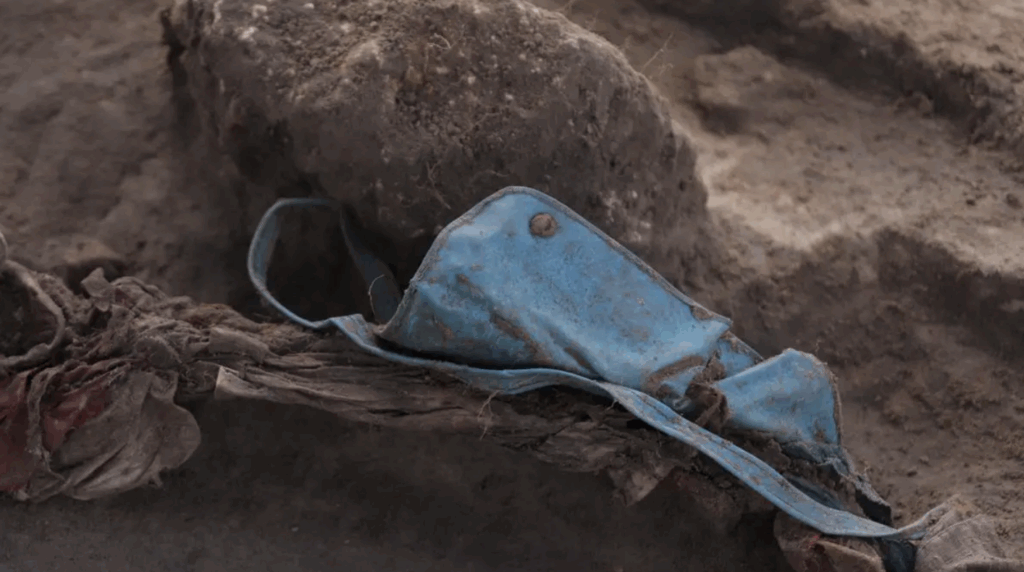
According to his testimony, as many as 400 bodies may be buried in the area near Jaffna. Subsequent investigations, supported by the Sri Lankan Human Rights Commission (HRC), uncovered skeletal remains, clothing, infant feeding bottles, and children’s toys—evidence suggesting the presence of entire families among the victims.
Despite these findings, the excavation work progressed at a slow pace over the years, hindered by political sensitivities, lack of forensic expertise, and limited government commitment. Now, in 2025, the process has ground to a halt altogether due to budgetary constraints within the Ministry of Justice.
The Recent Suspension
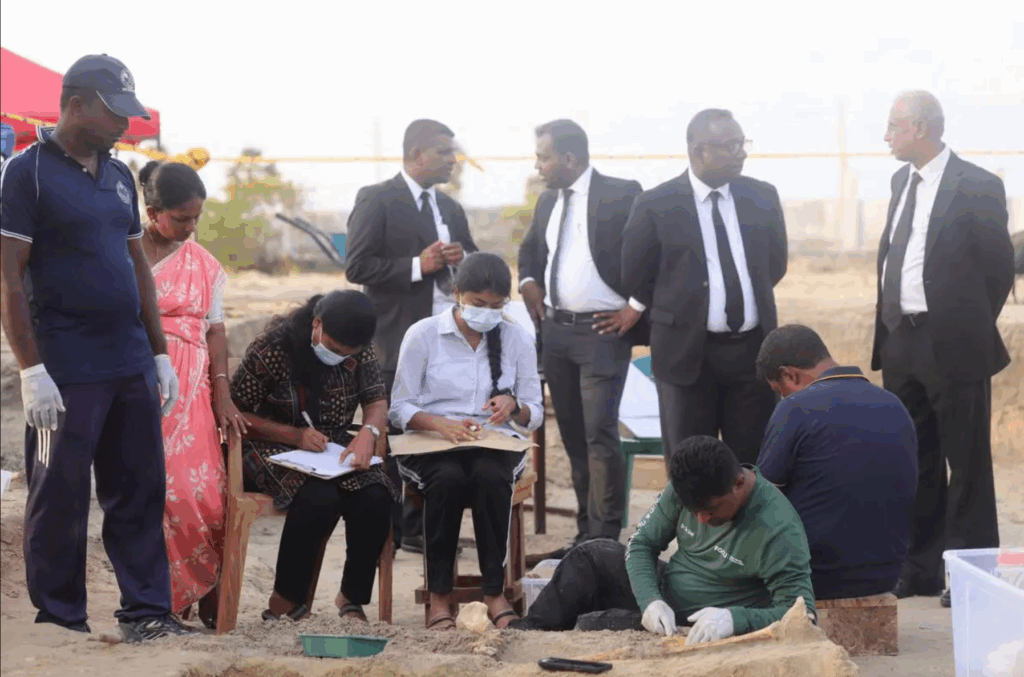
Officials overseeing the excavation confirmed that work had been suspended indefinitely, citing inadequate financial allocations to continue forensic analysis, site security, and laboratory examinations.
The Human Rights Commission expressed deep concern, noting that halting the process not only delays justice but also risks the deterioration of critical evidence. According to investigators, bones and material exposed to natural conditions without proper preservation could compromise potential forensic results that might link the remains to unlawful killings.
The Ilankai Tamil Arasu Kachchi (ITAK) party, a key Tamil political movement, has also voiced alarm. ITAK leaders stressed that the excavation represents a test of Sri Lanka’s sincerity in addressing alleged wartime atrocities.
Families of the Missing: “A Never-Ending Wait”
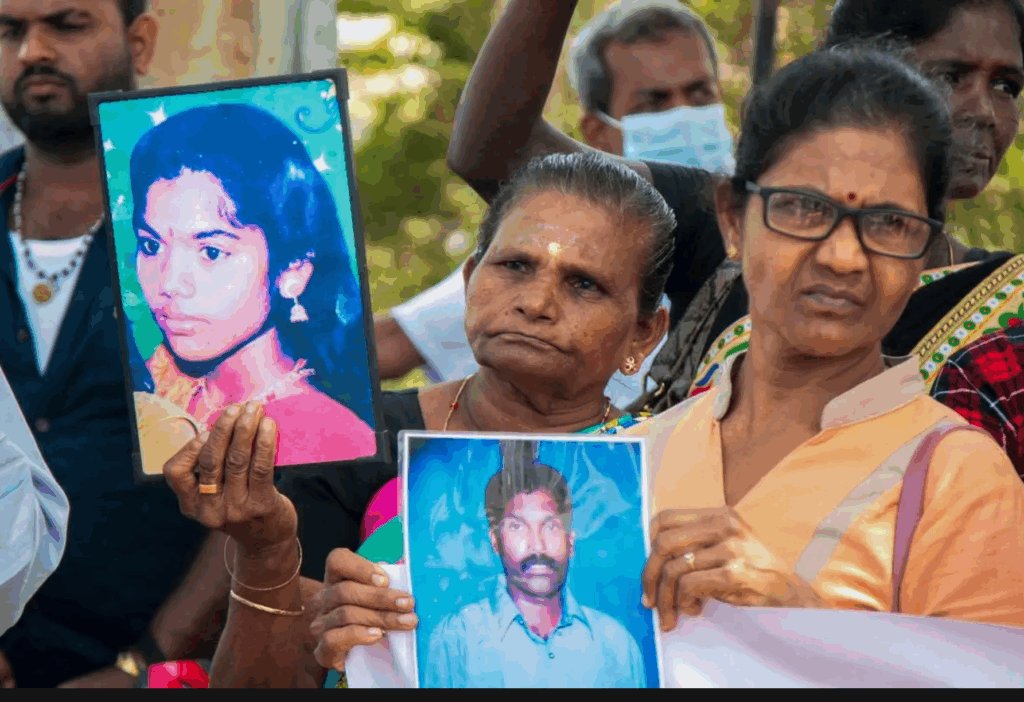
For families of the disappeared, the Chemmani site represents one of the few tangible chances of closure. Many mothers and widows of missing Tamils continue to gather in Jaffna, demanding answers.
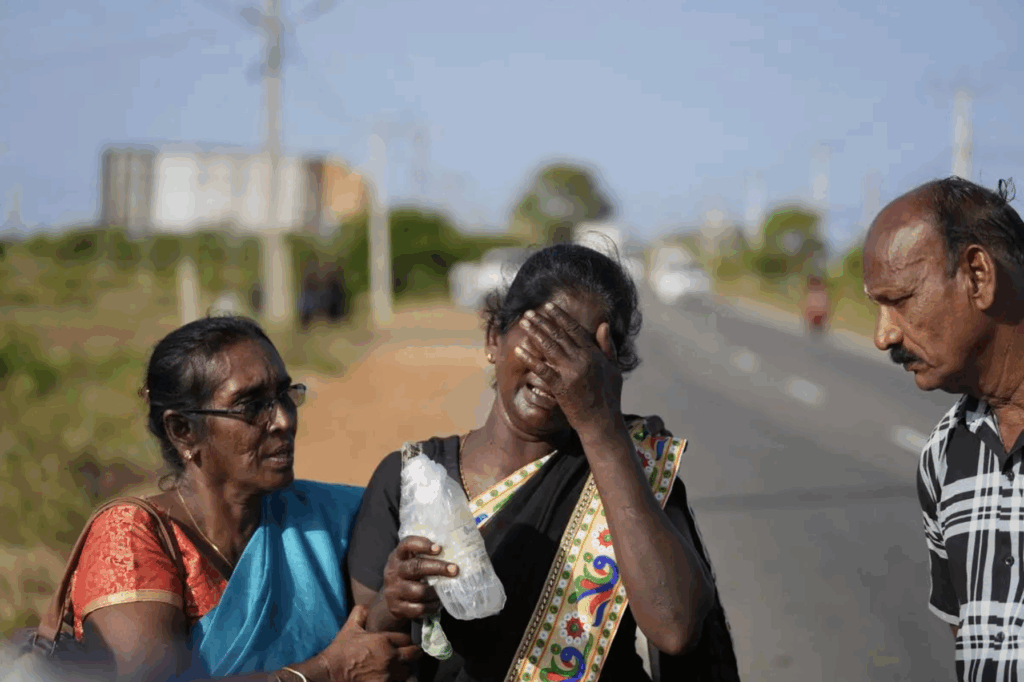
One grieving mother, speaking to local reporters, lamented:
“For more than 25 years, I have searched for my son. They said Chemmani has answers. Every time they stop the work, our wounds open again. How much longer do we have to wait?”
The emotional toll is immense. According to rights groups, Sri Lanka has more than 20,000 unresolved cases of disappearances connected to the civil war, making it one of the highest numbers of missing persons globally.
Political Reactions
- Opposition Leaders have condemned the halt, accusing the government of deliberately dragging its feet on sensitive war-related investigations. They argue that economic difficulties are being used as an excuse to suppress accountability.
- Government Spokespersons, however, maintain that the suspension is temporary and driven solely by financial constraints. They have promised to allocate fresh funding in the next budget cycle.
- Tamil Political Parties insist that international observers should be allowed to take part in the excavation to ensure transparency and credibility, pointing out Sri Lanka’s troubled record with domestic accountability processes.
Human Rights Concerns
International watchdogs, including Amnesty International and Human Rights Watch, have repeatedly called on Sri Lanka to prioritize truth and reconciliation mechanisms. The Chemmani excavation, they argue, is not merely about identifying remains but about establishing trust between communities and holding perpetrators accountable.
The HRC warned that stopping the work at this stage could signal to the world that Sri Lanka is unwilling or unable to confront its violent past. Without credible investigations, the possibility of reconciliation remains slim.
Legal and Forensic Challenges
Excavating a mass grave is a painstaking process that requires skilled archaeologists, forensic pathologists, and DNA laboratories. Each bone, fragment, or item recovered can contribute to reconstructing events and identifying victims.
In Sri Lanka, however, the absence of adequate forensic facilities has slowed progress. Experts note that without international assistance, matching DNA samples to relatives of the missing will remain extremely difficult.
Implications for Sri Lanka’s Global Standing
The suspension also comes at a politically sensitive moment. Sri Lanka is due to face a United Nations Human Rights Council (UNHRC) review later this year, where progress on transitional justice and accountability will be evaluated.
Critics warn that halting Chemmani’s excavation undermines Sri Lanka’s commitments under international resolutions. This could jeopardize foreign relations, international aid, and ongoing debt negotiations, especially with Western nations that have consistently urged progress on human rights.
The Road Ahead
The Justice Ministry has hinted at resuming work once additional funds are secured, but there is no clear timeline. Meanwhile, rights groups are calling for urgent intervention to preserve the site and prevent evidence from being lost.
Activists propose that Sri Lanka should:
- Seek international funding from UN bodies or donor states.
- Establish an independent commission to oversee Chemmani, insulated from political interference.
- Expand DNA testing capacity to match remains with families more effectively.
- Publicly commit to a timeline for completing the excavation.
Conclusion
The Chemmani mass grave is not just about unearthing bones; it is about unearthing truth. For thousands of families who have lived with uncertainty for decades, every shovel of soil turned represents hope.
Yet, with the excavation suspended due to lack of funds, that hope is once again slipping away. Unless Sri Lanka demonstrates firm political will and secures the resources to finish what it began, the wounds of war will remain unhealed, and justice will continue to be buried beneath the soil of Chemmani.