Southern Port Expansion: Environmental Alarm Bells Ring in Sri Lanka
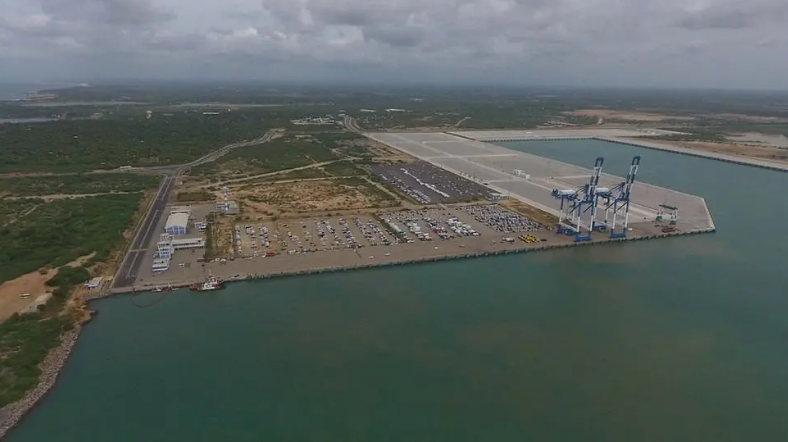
HAMBANTOTA, SL – Sri Lanka’s ambitious plans to expand a major southern port are facing increasing opposition from a coalition of environmental activists, marine biologists, and concerned local communities. As of late July 2025, the project, touted as a key driver for economic growth, is drawing fierce criticism over its potential to inflict irreversible damage on sensitive marine ecosystems, displace traditional fishing communities, and for what critics argue are inadequate environmental impact assessments (EIAs).
The proposed expansion, designed to enhance the port’s capacity and solidify Sri Lanka’s position as a regional maritime hub, involves extensive dredging, land reclamation, and the construction of new breakwaters. While proponents highlight the economic benefits, including increased trade, job creation, and foreign investment, opponents warn of the ecological cost. Experts are raising particular alarm over the impact on coral reefs, seagrass beds, and vital migratory routes for marine life, including whales and dolphins, which are crucial for the region’s biodiversity and ecotourism.
Fishing communities along the southern coast are also vocally protesting, fearing that the expansion will directly threaten their traditional livelihoods. They contend that dredging operations will destroy fish breeding grounds, alter currents, and reduce fish stocks, pushing them further into poverty. Concerns about access to traditional fishing grounds and fair compensation for potential displacement are central to their escalating demands for a halt to the project until their grievances are adequately addressed.
A key point of contention is the transparency and thoroughness of the project’s Environmental Impact Assessment. Critics argue that the current EIA does not fully account for the long-term cumulative impacts on the fragile coastal environment or the socio-economic effects on dependent communities. They are calling for an independent, comprehensive, and publicly accessible assessment, coupled with robust mitigation strategies and a commitment to genuine community consultation throughout the project’s lifecycle.
As Sri Lanka seeks to balance its economic development aspirations with environmental stewardship, the southern port expansion project has become a litmus test. The government faces the challenge of demonstrating that its infrastructure ambitions do not come at an unacceptable cost to its natural heritage and the well-being of its citizens. The outcome of this escalating environmental standoff will undoubtedly set a precedent for future large-scale development projects across the island.