Sheikh Hasina Sentenced to Death by War Crimes Tribunal; Former PM Denounces Verdict as Politically Motivated
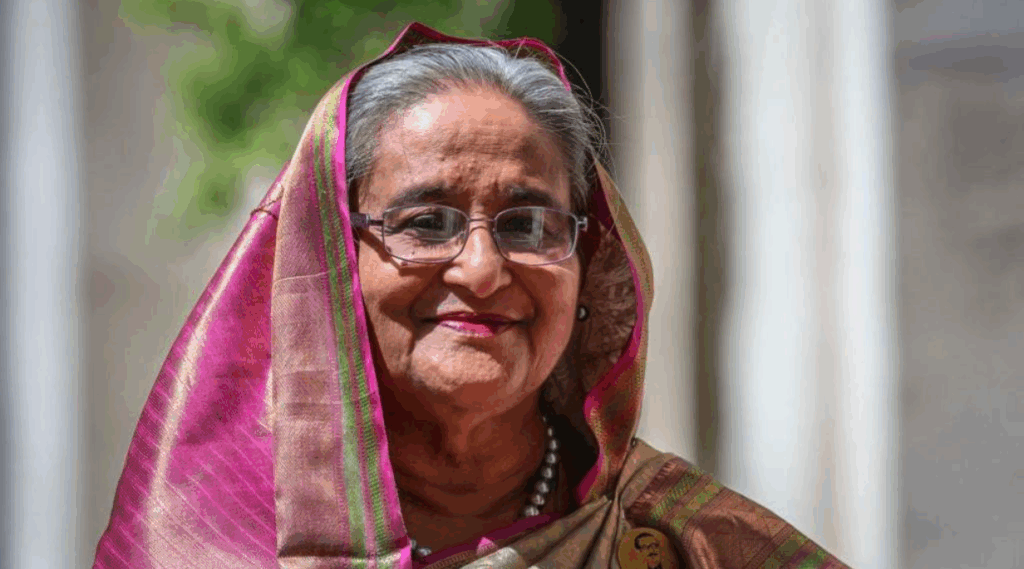
DHAKA, BANGLADESH / NEW DELHI, INDIA – Former Bangladeshi Prime Minister Sheikh Hasina, who was ousted from power last year following widespread student protests, has been sentenced to death by an International Crimes Tribunal (ICT) in Dhaka. The unprecedented verdict was delivered in absentia after the tribunal found her guilty of committing “crimes against humanity” related to her forceful suppression of anti-government demonstrations in 2024.
The ruling immediately plunged Bangladesh’s already volatile political landscape into deeper uncertainty and drew a fierce condemnation from Hasina, who has been in self-imposed exile in India since her removal from office.
The Charges: Crimes Against Humanity
The core of the prosecution’s case rested on the severe and repressive measures taken by Sheikh Hasina’s government during the massive student-led protests that gripped Bangladesh in mid-2024. These demonstrations were fundamentally aimed at challenging her nearly 15-year rule and demanding free and fair elections, which had been deferred.
According to reports referenced during the tribunal, the repressive crackdown carried out under Hasina’s leadership led to a devastating loss of life. Authorities noted that over 1,400 people were killed during the 2024 protests and the subsequent waves of violence. The International Crimes Tribunal, which typically handles atrocities committed during the 1971 Liberation War, was employed to adjudicate the allegations of human rights abuses committed by the state against its own populace during the unrest.
The use of the ICT, initially established to prosecute historical war criminals, for a contemporary political figure adds a layer of controversy and legal complexity to the ruling. The trial proceeded without Hasina present, a procedure allowed under Bangladeshi law but one that often fuels accusations of political manipulation.
Hasina’s Fierce Condemnation
Following the announcement of the death sentence by the Dhaka court, former Prime Minister Sheikh Hasina released a strongly worded statement from her location in India, immediately denouncing the verdict.
Hasina categorically labelled the death sentence as “biased and politically motivated.” She asserted that the ruling was part of a systemic effort by the current interim government to dismantle her political party, the Awami League (AL), which had governed the nation for a cumulative 15 years.
In her statement, she stated that the death penalty was merely a method employed by the interim regime to “obliterate the Awami League as a political force.” This suggests that she views the trial not as a pursuit of justice for human rights violations, but as a deliberate political strategy to neutralise the most powerful opposition figure ahead of future, yet-to-be-scheduled elections.
The Context: A Nation Awaits Legitimacy
Sheikh Hasina’s fall from grace occurred amidst massive political instability. Following her ousting, an interim government was installed to manage the country and facilitate a return to democratic governance. However, the country has yet to hold the required elections to establish a constitutionally legitimate government, maintaining a delicate and precarious political equilibrium.
The trial and sentencing of Hasina further complicate this transition period. While the interim government has promised accountability and clean governance, the targeting of a dominant former leader with the death penalty risks polarizing the public and potentially reigniting the very protests the country sought to suppress.
The verdict will undoubtedly inflame her supporters within the Awami League, who still maintain significant grassroots influence across Bangladesh. The party, though currently out of power, has a history of mass mobilization, and this ruling could be used to galvanize their base and challenge the legitimacy of the interim government’s mandate.
International Scrutiny and Legal Recourse
The use of the death penalty and the in absentia nature of the trial are likely to draw significant attention and criticism from international human rights organisations and Western governments, many of whom have long expressed concerns over the state of democracy and judicial independence in Bangladesh.
Hasina’s legal team is expected to mount a robust defense and appeal the ruling through all available legal channels in Bangladesh, potentially attempting to challenge the jurisdiction or constitutionality of the ICT to hear cases of this nature. Her current refuge in India adds an international diplomatic dimension to her appeal process.
The sentencing of Sheikh Hasina marks a monumental moment in Bangladesh’s turbulent political history, underscoring the deep and often violent division between the country’s two dominant political factions. The outcome of the appeal process will be critical in determining the future direction of Bangladesh’s fragile democracy.
Lions Roar News will continue to monitor the political developments and legal appeals following the verdict in Dhaka.