Rawana Falls Bus Tragedy: Investigation Reveals Alarming Negligence and Mechanical Failures
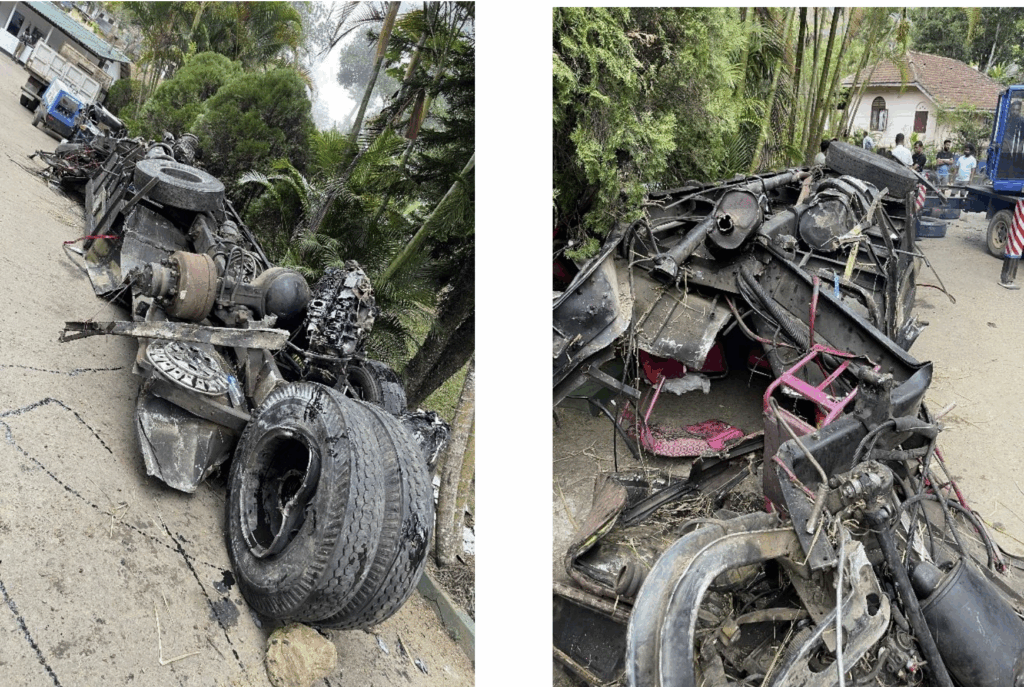
ELLA, SRI LANKA – September 15, 2025 – The serene beauty of Rawana Falls was shattered last month by a tragic bus accident that claimed numerous lives, sending shockwaves across the nation. The incident, involving a privately operated coach bus carrying a group of friends on a pleasure trip, prompted an immediate and thorough investigation. Today, the accident investigation committee released its final report, outlining a confluence of mechanical failures, gross negligence, and critical lapses in judgment that ultimately led to the devastating crash.
The report’s findings paint a grim picture of a vehicle ill-prepared for the journey and a chain of responsibility that repeatedly failed. The ill-fated bus, a renovated motor coach, embarked on its journey on September 3, 2025, after a series of events that highlighted a shocking disregard for safety and proper maintenance.
According to the committee’s detailed analysis, the bus was originally driven with an All-Island Tourist Transport License but was later extensively renovated and modernized solely for pleasure trips. The current registered owners, Mr. Kankanange Niroshan and his son, reportedly spent approximately 55 lakhs on its purchase and an additional 80 lakhs on renovations. However, this substantial investment appears to have focused on aesthetics rather than safety.
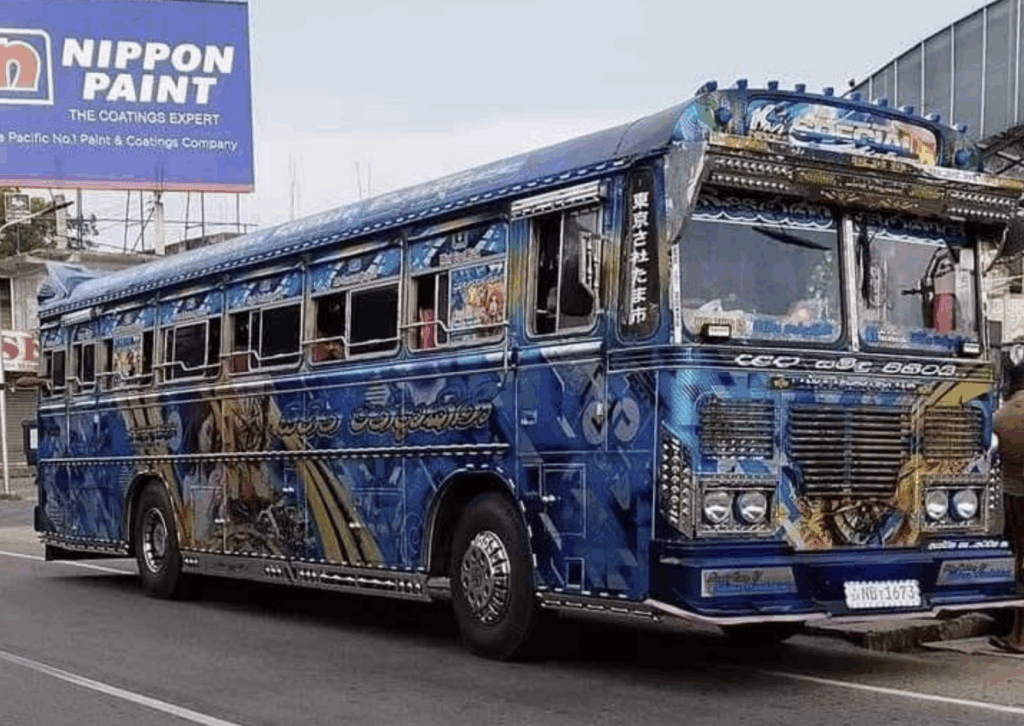
“The owner lacked a proper understanding of the renovations and maintenance performed,” the report stated. “This was further confirmed when he couldn’t answer our question about the required distance for an engine oil change. He did not have a maintenance record for the vehicle’s renovations, services, or trips.” This critical absence of documentation and understanding indicated a significant oversight of the bus’s functional condition.
Due to infrequent trip requests, the bus did not have a permanent driver. The deceased driver, Chiran Duminda, was the most frequently employed. The report highlights a crucial turning point: the vehicle was handed over to a temporary carrier, Thushara Indika, on or around August 28, 2025. This handover, the committee concluded, was “done without a proper process and in an irresponsible manner.”
Thushara Indika subsequently used the bus for a trip to Colombo on August 30, 2025. Following this, the vehicle was taken for servicing and a steering system repair. While the steering was addressed, a critical detail was missed: “the grease nipples on the rear wheel were not attended to during the repair.” Furthermore, Thushara Indika claimed an oil change wasn’t necessary as the oil wasn’t dark, and only a wash and interior cleaning were performed. Later inspection after the accident revealed that grease had not been applied to “some of the ball joints,” directly contradicting the carrier’s claims.
The night of the accident saw a series of rushed and fatigued decisions. Driver Chiran Duminda, after completing his regular work duties, took possession of the bus from Thushara Indika around 9:00 PM. “Since it was close to midnight, Duminda was not able to focus on the vehicle’s mechanical condition,” the report noted. Thushara Indika, despite being unaware of the bus’s mechanical faults, “irresponsibly handed over the coach bus to Duminda.”
Duminda’s journey began with a brief stop in Tangalle for a short sleep, which was cut short as he needed to pick up the trip secretary by 2:30 AM. The pleasure trip, carrying a group of friends, commenced around 3:30 AM, taking them through Ravana Falls, Adisham Bungalow, Hakgala Botanical Garden, and finally Ella. The report indicates that many passengers were asleep by the time they left Ella, heading home.
The committee’s most damning conclusion concerns Duminda’s actions in the moments leading to the crash. “Although he was unaware of the unknown mechanical faults in the coach bus, Duminda was accustomed to the vehicle… Due to his immense confidence in controlling the vehicle, he did not hesitate to drive on the narrow road between Ella and Wellawaya and continued to drive using the steering.”
Tragedy struck around the 24-kilometer post. The report details: “He likely realized that the braking efficiency was low, but he did not think to turn the vehicle to the right or use the gear to slow down. He may have thought he could avoid a collision by turning to the right.” Adding to the peril, “Due to the various colored lights inside the vehicle, his vision may have been obscured on the dark road.” This lethal combination of impaired vision and a misjudgment of the vehicle’s capabilities led to a collision with an oncoming bus, causing Duminda to lose control.
The final moments saw the bus careening off the road: “The crash barrier or the crash bars that were installed to cover the road embankment were not strong enough to stop the vehicle. The vehicle went over the crash barrier, dragging the crash bars, and continued its journey down the embankment for a moment.”
The accident investigation committee’s report unequivocally places the blame on a systemic failure across multiple parties – from the owners who neglected proper maintenance and documentation, to the temporary carrier who irresponsibly handed over a faulty vehicle, and ultimately to the driver whose overconfidence and potentially impaired vision contributed to the loss of control.
This comprehensive report serves as a stark reminder of the critical importance of stringent safety regulations, meticulous vehicle maintenance, and responsible decision-making in the transport sector. The hope now is that these findings will lead to immediate and drastic changes to prevent such a devastating loss of life from ever happening again.