Putin Denounces New U.S. Sanctions as “Unfriendly Act” Amid Rising Global Oil Prices
Moscow, October 23, 2025 —
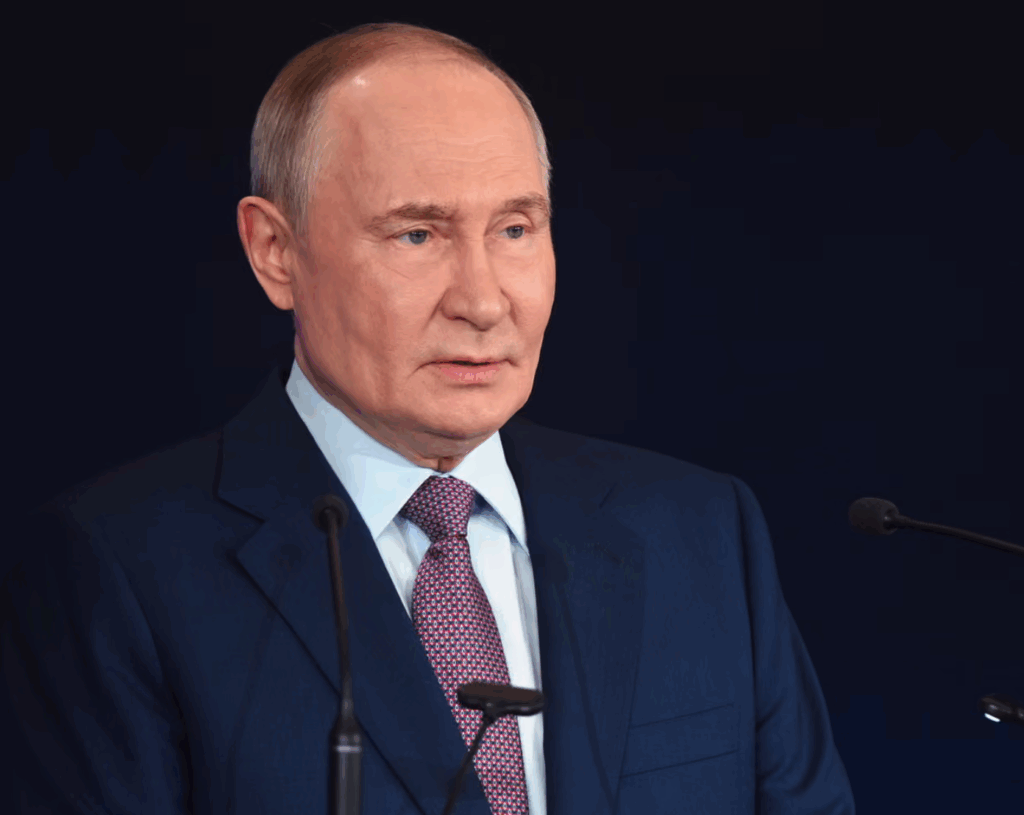
Tensions between Moscow and Washington escalated further today as Russian President Vladimir Putin lashed out at the latest round of U.S. sanctions targeting Russia’s top oil giants, Rosneft and Lukoil. The Kremlin condemned the move as an “unfriendly act,” though Putin insisted it would not significantly impact Russia’s economy or energy exports.
The sanctions, announced by the U.S. Treasury Department on Wednesday, are part of a broader Western effort to pressure Russia over its continuing war in Ukraine and alleged violations of global trade and financial laws. The measures include restrictions on dollar transactions, asset freezes for key executives, and limitations on the export of critical oil extraction technologies to Russia.
In a televised statement, President Putin said,
“The West continues to impose politically motivated restrictions that harm global energy stability. Russia will not be intimidated. Our economy has long adapted to such external pressure.”
Impact on Global Oil Markets
The immediate fallout from the announcement sent ripples through global energy markets. Brent crude prices jumped by nearly 5 percent within hours, reaching their highest level in three months. Analysts attributed the surge to investor fears over potential supply disruptions and heightened uncertainty in global oil logistics.
Oil market experts noted that Rosneft and Lukoil collectively account for more than a third of Russia’s oil exports, much of which still finds its way into Asian and Middle Eastern markets through complex trade networks. Despite sanctions, Moscow has diversified its export channels, strengthening ties with China, India, and Turkey — countries that continue to buy discounted Russian crude.
Energy economist Dr. Natalia Smirnova of the Moscow Institute for Economic Studies said,
“These sanctions are symbolic but also strategic. They signal a tightening Western stance, but Russia’s energy system has proven resilient. The question is how long that resilience can hold if sanctions keep expanding.”
U.S. Position and Strategic Goals
In Washington, the U.S. administration framed the sanctions as part of an ongoing campaign to curtail Russia’s ability to finance its war in Ukraine. A senior White House official described them as “targeted measures designed to weaken the Kremlin’s war chest while minimizing disruption to global markets.”
The U.S. Treasury statement also urged allied nations to coordinate additional restrictions and strengthen compliance against sanction evasion. Several European governments have already voiced support, though privately some officials expressed concern about further increases in energy prices heading into the Northern Hemisphere winter.
President Joe Biden, speaking briefly to reporters, said,
“We stand with Ukraine and with freedom. Russia’s aggression will not go unanswered. These sanctions are one more step in ensuring that Putin pays the price for his actions.”
Russian Response and Domestic Impact
Inside Russia, the official narrative remains defiant. The ruble has stabilized after weeks of volatility, supported by rising oil revenues and capital controls. The government continues to promote an image of economic strength, highlighting record energy sales to Asia and increasing investments in domestic production capacity.
However, economists warn that prolonged isolation from Western technology and financing could slow down Russia’s long-term oil and gas output. Western sanctions have already forced Moscow to rely on older extraction equipment and seek Chinese and Iranian substitutes — a shift that could reduce efficiency and output over time.
Russian state television downplayed the sanctions, framing them as a “routine escalation” by the West. Pro-government commentators emphasized the Kremlin’s ability to withstand economic pressure, while critics inside the country described the sanctions as another blow to an already struggling industrial sector.
Global Repercussions and Political Stakes
The diplomatic fallout extends beyond economics. The new sanctions come amid a critical phase in the Ukraine conflict, with Kyiv calling for more Western support and Europe preparing for another winter of uncertain energy supply. Analysts say the move could either strengthen Western unity or deepen divisions among nations balancing moral commitment and economic interests.
In the Middle East, OPEC members are closely watching developments, as Russia remains a key player in the OPEC+ alliance. A senior Gulf energy advisor said the sanctions “could complicate production coordination” if Moscow faces logistical constraints.
Meanwhile, global markets continue to react nervously. Energy-importing nations fear rising inflation and fuel costs if tensions escalate further. Some Asian economies have already begun discussions on increasing alternative energy imports to mitigate risk.
Looking Ahead
As the war in Ukraine drags on and economic confrontation intensifies, the standoff between Russia and the West shows no signs of easing. The latest sanctions mark another milestone in an economic battle that is increasingly intertwined with global security and political alliances.
For now, Putin appears determined to project confidence. But as oil prices rise and global markets tighten, the world watches closely to see whether Russia’s resilience — or the West’s resolve — will endure longer.