“Nothing is Free”: South Auckland Commuters Face the Pinch of New Fare Hikes
By Diyatha News New Zealand Cost-of-Living Desk
MANUKAU (Tuesday, February 3, 2026) — For South Auckland residents like Lepa, the small change in their pockets is feeling much heavier this week. Following Auckland Transport’s (AT) annual price review, bus and train fares officially increased on February 1, sparking a mix of resignation and worry among those who rely on the network most.
While AT maintains the 5.1% average increase was a necessary response to a 10% jump in operating costs, the “minor” hike of 10 to 25 cents per trip is being felt acutely in high-deprivation areas.
📉 The Price of Getting Around
The hike marks the latest adjustment for a network that saw 44.5 million boardings in the year to December 2025. AT cites rising rail charges, increased service frequency, and contractual adjustments as the primary drivers.
New Adult AT HOP/Contactless Fares (Effective Feb 1):
- 1 Zone: $3.00 (up from $2.80)
- 2 Zones: $4.90 (up from $4.65)
- 3 Zones: $6.50 (up from $6.25)
- Citylink: $0.95 (up from $0.85)
Note: The $50 weekly fare cap remains in place, providing some protection for the heaviest users.
🗣️ Voices from Manukau Station
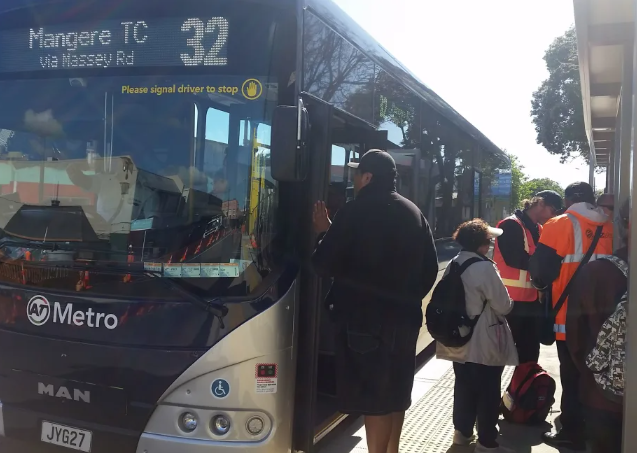
Outside Manukau Station, commuters shared a common theme: every cent matters when you’re on a budget.
- Lepa (SuperGold Card Holder): Despite traveling for free herself, Lepa is vocal about the impact on families. “Even 10 or 20 cents, it adds up. To millionaires, it’s nothing. To us, it’s a lot of money going out from your bank.” She also stressed that higher fares must buy better safety, noting that fears of assault discourage many from using the bus.
- Saia (18) & Hame (16): For younger commuters, the hike isn’t just about the cost—it’s about the planning. “Not really knowing how much money I need to add to my card each day means I have to rethink how much I need to save for a week,” says Saia.
- Wayne (Commuter): Some, like Wayne, were more accepting, viewing it as a standard part of public service delivery. “You pay for your services and you get what you pay for.”
⚖️ The “Fine Balance” for South Auckland
Manukau ward councillor Lotu Fuli highlighted the geographical inequity of fare rises. Because South Auckland and Pacific communities are more likely to live in high-deprivation areas and rely on public transport, they bear the brunt of any increase.
“Sometimes it’s actually cheaper for families to take the car,” Fuli warned. “That’s not good for the environment, and it’s not what we want.” She noted that while the council aims for affordability, the lack of local oil production and the commitment to a living wage for workers creates a “fine balance” that is increasingly difficult to maintain.