New Zealand Super Fund Targets Domestic Infrastructure Investments to Boost Economy
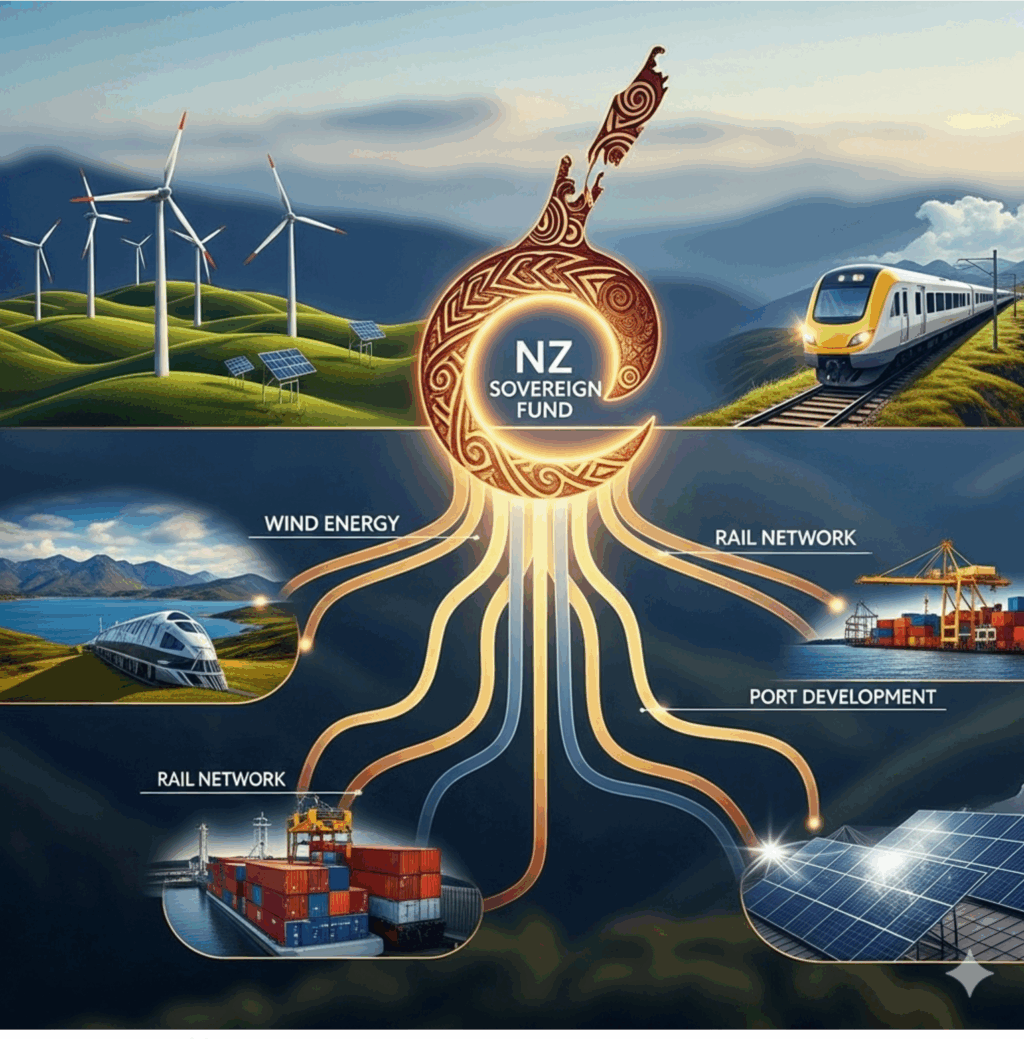
Wellington, New Zealand – September 8, 2025 – The New Zealand Superannuation Fund (NZ Super Fund), one of the country’s most prominent sovereign wealth funds, has announced plans to expand its investments in domestic infrastructure projects, signaling a strategic shift toward long-term economic growth and capital development.
The move comes amid increasing global economic uncertainty, rising interest rates, and New Zealand’s ongoing efforts to strengthen its domestic financial and physical infrastructure. Officials describe the initiative as part of a broader strategy to enhance national resilience while maximizing returns for New Zealanders’ retirement savings.
Background: A Strong Track Record
Established in 2003, the NZ Super Fund was created to help pre-fund future universal superannuation payments. Over the past two decades, it has earned a reputation for strong, sustainable returns while maintaining a balanced investment portfolio across equities, fixed income, and alternative assets.
With assets exceeding NZ$70 billion, the fund now has the scale and financial strength to pursue large-scale domestic infrastructure projects, ranging from renewable energy generation to transport, housing, and digital networks.
According to NZ Super Fund CEO Adrian Orr, the current emphasis on domestic infrastructure stems from both economic and strategic considerations:
“Investing in critical infrastructure not only generates long-term, stable returns for our beneficiaries but also supports New Zealand’s economic productivity and resilience.”
Why Infrastructure?
Infrastructure investments are generally considered low-risk, long-term assets that provide steady cash flows. For the NZ Super Fund, this aligns with its mandate of delivering sustainable returns over decades to meet future superannuation obligations.
Experts note that New Zealand’s infrastructure needs are growing, particularly in areas such as:
- Transport – Roads, bridges, rail, and ports that facilitate domestic and international trade.
- Renewable Energy – Wind, solar, and hydroelectric projects to meet the country’s clean energy goals.
- Housing and Urban Development – Affordable housing projects to meet rising population demands.
- Digital Infrastructure – Broadband, 5G networks, and data centers that enhance connectivity and productivity.
By investing in these sectors, the fund not only strengthens the nation’s long-term productive capacity but also diversifies its portfolio beyond traditional equities and bonds.
Economic Implications
New Zealand has faced ongoing challenges in recent years, including inflationary pressures, housing shortages, and infrastructure deficits. The Super Fund’s increased involvement in domestic projects could act as a catalyst for broader economic development, generating jobs, improving public services, and enhancing resilience to natural disasters.
Analysts suggest that such investments may also:
- Reduce reliance on foreign capital – By funding local projects, the fund helps keep money within New Zealand.
- Enhance investor confidence – Large-scale domestic infrastructure backed by a sovereign fund signals stability to private and institutional investors.
- Strengthen regional development – Projects outside major urban centers can stimulate growth in smaller towns and rural communities.
Economist Dr. Karen Pritchard commented:
“This is a significant step. Infrastructure investments typically offer lower volatility and long-term cash flow. For the NZ Super Fund, it’s a strategic alignment between social impact and financial return.”
Potential Projects in Focus
While the fund has not disclosed all its targeted projects, preliminary indications suggest a focus on high-priority areas:
- Renewable Energy Expansion: Partnerships with private companies to expand wind farms and solar arrays, supporting New Zealand’s ambitious carbon-neutral targets by 2050.
- Public Transport and Roads: Investments in urban transit systems, bridges, and highway upgrades that reduce congestion and improve connectivity.
- Water and Waste Management: Infrastructure to improve water supply, sewage treatment, and waste recycling, particularly in fast-growing regions.
- Digital Connectivity: Funding high-speed internet and 5G rollout projects to ensure equitable access nationwide.
By concentrating on projects that serve both economic and social purposes, the Super Fund positions itself as a driver of sustainable development.
Global Context and Sovereign Funds
Globally, sovereign wealth funds increasingly invest in domestic infrastructure to support national development goals. Countries such as Singapore, Norway, and Australia have leveraged sovereign funds to invest in projects that generate stable long-term returns while enhancing public services.
For New Zealand, this approach provides a way to strengthen national resilience against global economic uncertainty, including fluctuating commodity prices, rising interest rates, and geopolitical risks.
Challenges and Considerations
Investing in infrastructure is not without risks. Potential challenges include:
- Political and regulatory hurdles – Changes in government policy can impact project timelines or returns.
- Construction delays – Weather, supply chain disruptions, and technical issues can affect delivery.
- Financial exposure – Large-scale projects require significant capital and careful risk management.
However, the Super Fund has built robust risk assessment and governance mechanisms to mitigate such challenges, leveraging decades of investment experience and a diversified portfolio approach.
Looking Ahead
The NZ Super Fund has signaled that infrastructure investments will be a long-term commitment, with a multi-year horizon for both returns and economic impact. Fund executives have emphasized the dual purpose: supporting national growth while ensuring retirement savings for future generations.
Minister of Finance Grant Robertson welcomed the announcement, noting that it aligns with government objectives:
“Infrastructure investment is critical for New Zealand’s economic development. The Super Fund’s involvement will help ensure that key projects are delivered efficiently and sustainably.”
Conclusion
The NZ Super Fund’s decision to pursue domestic infrastructure projects represents a strategic convergence of financial foresight and national development goals. By focusing on transport, renewable energy, digital networks, and housing, the fund is poised to make a lasting impact on New Zealand’s economic landscape while generating long-term returns for its beneficiaries.
As the nation faces economic uncertainty and pressing infrastructure needs, the Super Fund’s investments could become a cornerstone of sustainable growth, demonstrating how sovereign wealth funds can serve both citizens and the economy simultaneously.