New Zealand Backs the Future: $42 Million Investment to Boost Bioeconomy
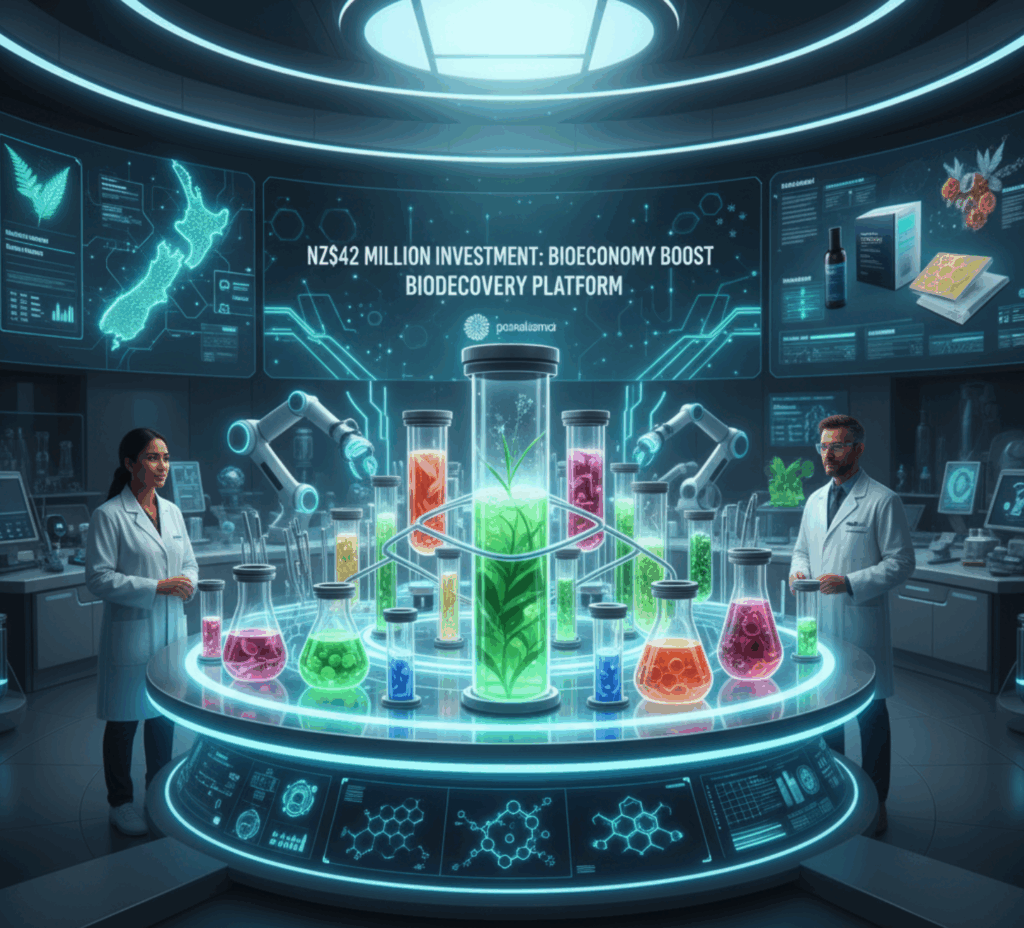
The New Zealand government has announced a landmark investment of over NZ$42 million spread across seven years to develop a new Biodiscovery Platform—a national initiative designed to transform natural resources into high-value bio-based products and pharmaceuticals. The move marks a significant step toward positioning New Zealand as a global leader in sustainable innovation, blending science, business, and environmental stewardship.
What is the Biodiscovery Platform?
At its core, the Biodiscovery Platform will function as a coordinated hub for research and commercialization. It aims to leverage New Zealand’s rich biodiversity—from marine organisms to native plants and fungi—to develop innovative solutions that can be scaled for international markets.
Officials describe it as a “pipeline for bio-based innovation,” one that links scientific research with industry and encourages partnerships between universities, private enterprises, and indigenous knowledge holders. The goal is not only to produce cutting-edge products—such as novel pharmaceuticals, sustainable materials, and natural-based therapeutics—but also to ensure that New Zealand captures long-term economic and social benefits from its natural resources.
A Step Toward Economic Resilience
The timing of this investment reflects New Zealand’s broader economic strategy. With global pressures including climate change, supply chain disruption, and shifting consumer preferences, the government has identified the bioeconomy as a sector that could future-proof the nation’s prosperity.
By prioritizing higher-value products derived from renewable resources, New Zealand hopes to reduce reliance on traditional commodity exports such as dairy, meat, and forestry. This shift toward value-added industries is seen as essential for boosting productivity, enhancing export earnings, and creating skilled jobs.
Economic analysts have praised the initiative as forward-thinking. “The bioeconomy represents one of the few areas where New Zealand has both a natural advantage and a global opportunity,” said Dr. Peter Wong, an innovation economist. “Investing now ensures that we remain competitive and sustainable in a rapidly changing world economy.”
Harnessing Science and Indigenous Knowledge
One of the most distinctive aspects of the Biodiscovery Platform is its emphasis on integrating Mātauranga Māori (Māori knowledge systems) alongside modern scientific research. The government has signaled that Māori perspectives will play a central role in guiding research priorities, ensuring benefits are shared equitably and ethically.
This integration is expected to not only strengthen cultural partnerships but also unlock unique approaches to natural resource use, particularly in pharmaceuticals and wellness products. By valuing traditional knowledge, New Zealand is setting a precedent for responsible and inclusive innovation.
Opportunities in Global Markets
Globally, the bioeconomy is projected to be worth trillions in the coming decades, spanning industries such as healthcare, agriculture, packaging, and energy. Natural-based pharmaceuticals and bio-materials are in particularly high demand, as consumers and regulators alike push for sustainable alternatives.
New Zealand’s clean, green reputation positions it well in this space. Products that carry a strong sustainability and provenance story are likely to find ready markets in Europe, North America, and Asia. From algae-derived nutraceuticals to plant-based medicines, the commercial possibilities are vast.
Environmental Benefits
Beyond economics, the initiative is also framed as an environmental commitment. By focusing on renewable and sustainable resource use, the Biodiscovery Platform aligns with New Zealand’s broader goals of reducing carbon emissions, protecting biodiversity, and shifting toward a circular economy.
Government officials say the investment will also drive innovation in conservation, as scientists explore ways to protect ecosystems while deriving sustainable benefits from them. “Our natural environment is not just something to protect—it is a source of solutions for global challenges,” one spokesperson noted.
Political and Public Reaction
The announcement has been met with generally positive reception across the political spectrum, though some opposition MPs have called for clearer accountability mechanisms to ensure taxpayer value. Industry leaders, however, are enthusiastic.
The New Zealand Pharmaceutical Association welcomed the move, noting that bio-based drug discovery could put the country on the map for global biotech investment. Environmental groups also cautiously endorsed the initiative, while stressing the need for strong safeguards to prevent over-exploitation of natural resources.
Public reaction has been hopeful, with many seeing the move as a way to diversify the economy beyond traditional exports. Social media commentary ranged from optimism about “jobs of the future” to pride in New Zealand’s scientific achievements.
Looking Ahead
The first phase of the platform is expected to launch in 2026, with research centers and industry partnerships already being scoped. The government has promised transparency in reporting milestones and has hinted at additional funding if early successes are achieved.
For New Zealand, the bioeconomy investment is more than just an economic policy—it is a statement about the country’s future direction. By combining science, sustainability, and cultural knowledge, the nation is betting that its natural environment can power the next wave of innovation.
In a week where headlines have been dominated by setbacks in sport and controversies in diplomacy, this announcement shines as a forward-looking reminder: New Zealand is preparing for tomorrow, today