“Killer Ducks” Euthanised: Shock as Mallards Prey on Bird of the Century Chicks
By Lions Roar Aotearoa Wildlife Bureau
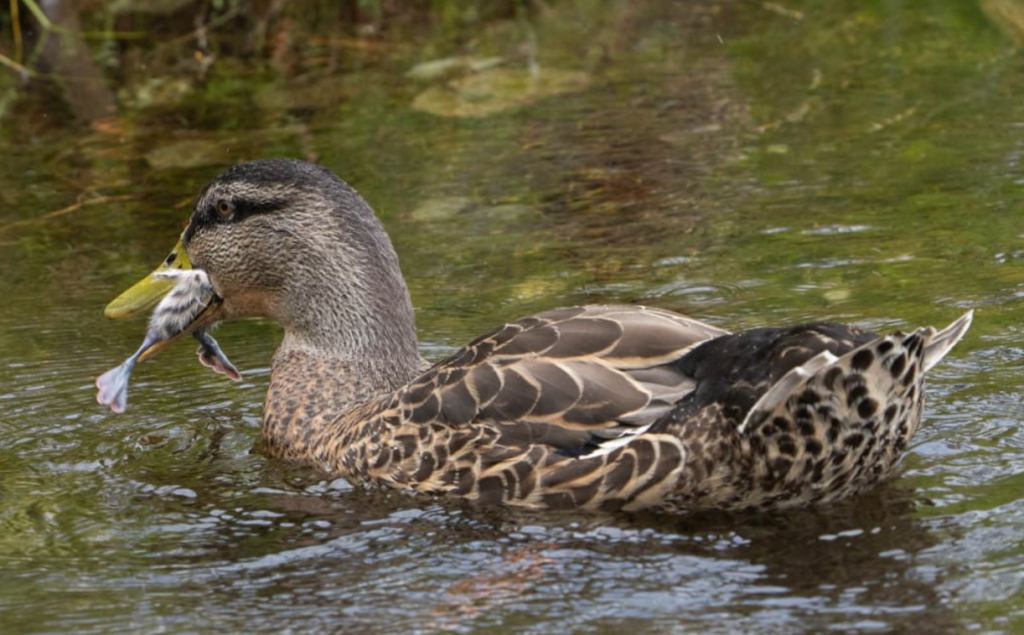
LAKE ALEXANDRINA — Wednesday, February 4, 2026 — In a grim twist of nature that has horrified conservationists, the Department of Conservation (DOC) has been forced to euthanise three “murderous” mallard ducks discovered hunting and eating freshly hatched pūteketeke (Australasian crested grebe) chicks in Canterbury’s Mackenzie Basin.
The incident, which took place at Lake Alexandrina, south of Lake Tekapo, has sent shockwaves through the local community and the global fanbase of the pūteketeke—the bird that rose to international fame in 2023 following comedian John Oliver’s high-profile “Bird of the Century” campaign.
1. Graphic Photos Reveal Predatory Behavior
The alarm was raised when a member of the public sent graphic photographs to DOC rangers showing the mallards—typically considered peaceful plant-eaters—scoping out grebe nests and eating the vulnerable chicks alive.
DOC Principal Biodiversity Ranger Dean Nelson said the evidence was as undeniable as it was disturbing.
“Staff were horrified to see graphic photos of the chicks being eaten alive,” Nelson said. “Mallard ducks usually eat plant material, with a little bit of protein from insects and snails. It was shocking to see them actively scoping out the pūteketeke nests specifically to see if they had chicks.”
2. A “First for New Zealand” Wildlife Threat
While mallards are known omnivores, preying on other bird species is virtually unheard of in New Zealand. Nelson noted that the adult pūteketeke were caught completely off guard because they do not perceive ducks as a threat.
DOC experts pointed to a rare 2017 study from Cambridge University which documented mallards in Romania hunting songbird fledglings. That case was considered a world first, theorized to be a desperate search for protein. However, the discovery at Lake Alexandrina suggests this predatory behavior could be a learned trait that risks spreading through local duck populations.
“Ducks learn from each other,” Nelson warned. “If this behavior isn’t stopped, it could pose a significant new threat to our vulnerable water birds.”
3. Protecting the “Nationally Vulnerable” Pūteketeke
The pūteketeke is currently classed as “nationally vulnerable.” While the Lake Alexandrina colony has flourished in recent years—with 40 to 50 nests annually—their “colonial” style of nesting makes them an easy target for predators.
The birds are already under pressure from:
- Introduced Predators: Stoats, ferrets, and cats.
- Human Activity: Nests being swamped by boat wakes or disturbed by campers.
- Habitat Loss: Fluctuating lake levels and competition for space.
“The public are our eyes and ears,” Nelson said, praising the person who reported the incident. “Our rangers can’t be everywhere, and this is a great example of people taking action for nature.”
4. Immediate Action: Euthanasia and Monitoring
Upon confirming the behavior, DOC rangers acted swiftly to protect the remaining nests in the outlet creek. The three offending mallards were caught with nets and humanely euthanised.
Rangers returned to the site today (Wednesday) to ensure no other ducks have picked up the “killer” habit. The department is asking anyone who observes unusual or aggressive behavior toward native wildlife to call 0800 DOC HOT immediately.