Japanese Prime Minister Shigeru Ishiba Resigns Amid Political Uncertainty
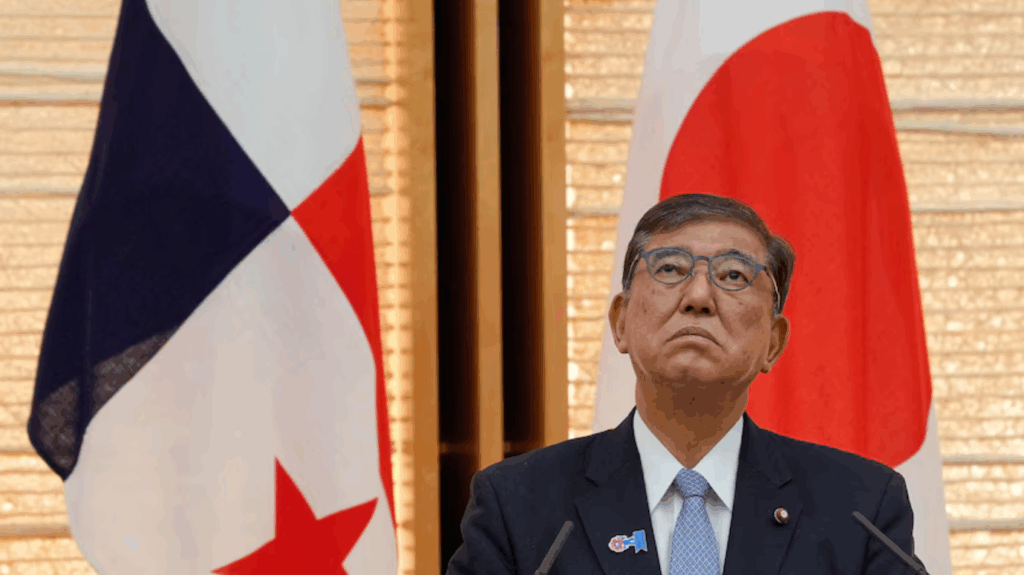
Tokyo, Japan – September 8, 2025 – In a stunning political development, Japanese Prime Minister Shigeru Ishiba has announced his resignation following a series of electoral defeats that have shaken his leadership and cast the nation into a period of political uncertainty. Ishiba’s departure comes at a time of significant domestic challenges, including economic pressures, foreign policy complexities, and the evolving role of Japan’s monarchy.
The resignation marks a turning point in Japanese politics, raising questions about the ruling party’s stability, upcoming elections, and the future direction of government policy.
The Resignation Announcement
Prime Minister Ishiba addressed the nation in a televised statement, acknowledging recent setbacks in regional and national elections that eroded public confidence in his administration.
“I have made the difficult decision to resign from the office of Prime Minister. It is clear that in order to preserve the integrity of our political institutions and ensure effective governance, new leadership is required. I am committed to a smooth transition for the stability of our nation.”
The announcement immediately triggered political debates and speculation about his successor, with potential contenders emerging from both within his party and the opposition.
Background: Electoral Defeats and Political Challenges
Ishiba’s tenure has been marked by both ambitious policy initiatives and significant challenges. Recent electoral defeats in key local and national races highlighted a decline in voter confidence, reflecting dissatisfaction with his handling of domestic economic issues, including inflation, housing affordability, and energy policy.
Political analysts note that Ishiba’s conservative party faced mounting pressure from emerging opposition parties advocating reform and more progressive policies. According to Professor Hiroshi Takeda of Tokyo University,
“The recent defeats were symptomatic of broader trends in Japanese politics. Citizens are seeking leadership that can respond to both domestic pressures and international challenges.”
In addition to economic and electoral challenges, Japan faces ongoing regional security concerns, particularly regarding tensions with neighboring China and North Korea. Ishiba’s resignation comes amid increasing scrutiny of Japan’s foreign policy posture and defense commitments.
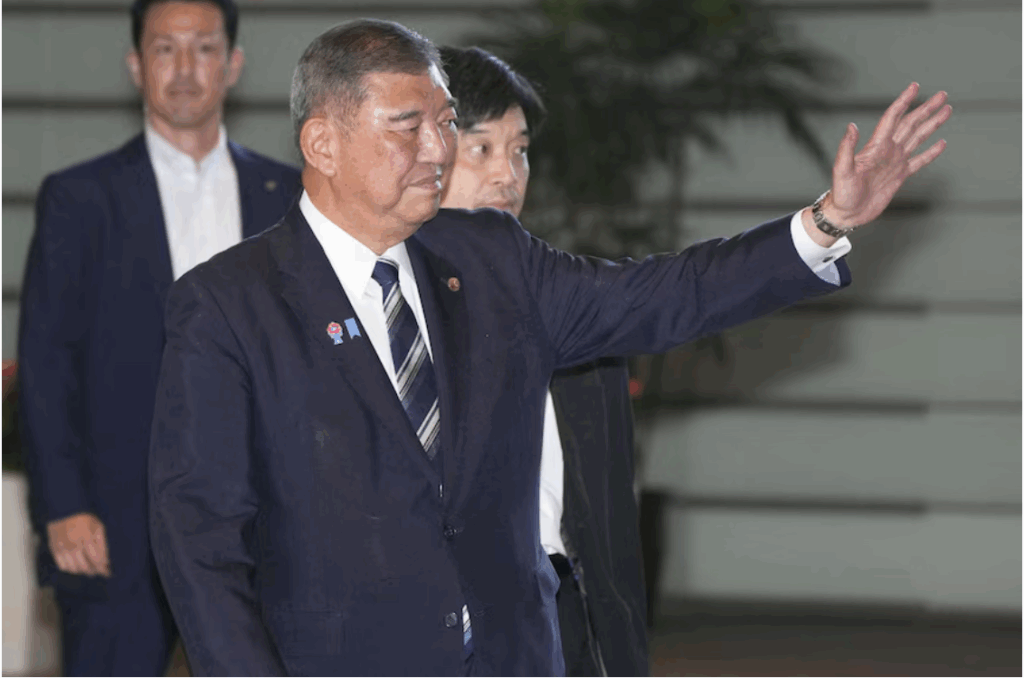
Political Uncertainty and Succession Speculation
The resignation has left a leadership vacuum within the ruling party, triggering intense speculation over who will succeed Ishiba. Potential candidates include prominent ministers with strong economic or defense portfolios, as well as younger figures representing calls for generational change.
Observers suggest that the transition period may lead to temporary policy stagnation, as key legislative initiatives may be delayed while political factions negotiate leadership. Analysts warn that prolonged uncertainty could impact investor confidence and economic stability in Japan.
“Political continuity is crucial for economic confidence, particularly in a nation like Japan that faces demographic challenges and a highly integrated global economy,” said economist Naomi Fujimoto.
Public and International Reactions
Ishiba’s resignation elicited mixed reactions domestically. Supporters praised his dedication and long service in Japanese politics, emphasizing his role in fostering economic reform and maintaining stability. Critics, however, argued that his policies were insufficient to address Japan’s pressing social and economic issues.
Internationally, Japan’s allies expressed concern about potential instability in the region. The United States, European partners, and neighboring Asian nations are monitoring the political transition closely, noting Japan’s central role in regional security, trade, and diplomacy.
A Moment of Tradition: Prince Hisahito’s Coming-of-Age Ceremony
Amid the political turbulence, Japan recently celebrated a historic moment of continuity: the coming-of-age ceremony of Prince Hisahito, the first male royal to reach adulthood in four decades. The event underscored the enduring role of Japan’s imperial family in national life, even as the country navigates modern political challenges.
Experts note that the celebration of Prince Hisahito serves as a reminder of traditional stability, contrasting with the uncertainty now facing Japan’s political leadership. The ceremony drew attention both domestically and internationally, highlighting the unique interplay between monarchy and contemporary politics in Japan.
Implications for Japan’s Domestic and Foreign Policy
Ishiba’s resignation is expected to have several immediate and long-term effects:
- Domestic Policy Delays – Key initiatives, including economic stimulus measures and social welfare reforms, may face temporary pauses until new leadership is established.
- Party Realignment – Factions within the ruling party are likely to jockey for influence, potentially reshaping Japan’s political landscape.
- Foreign Relations – With elections and leadership changes underway, diplomatic and security policy may require reassessment to ensure consistency in engagement with allies and neighboring countries.
Analysts stress that Japan’s response to regional security threats, trade negotiations, and climate commitments will remain under scrutiny, with the next leader needing to navigate both domestic expectations and international pressures.
Looking Ahead
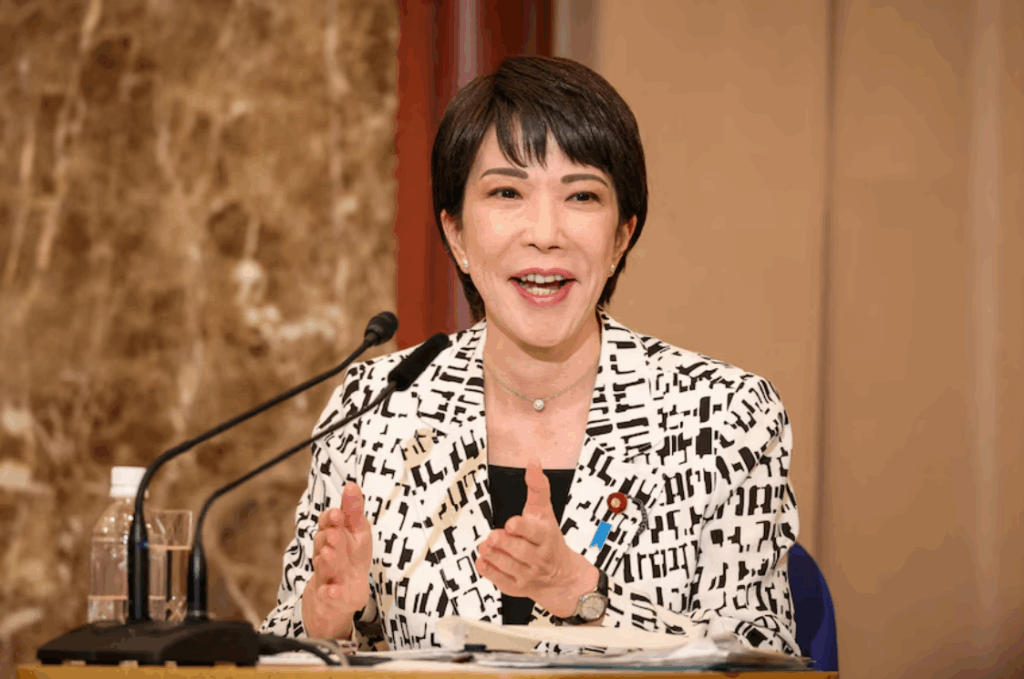
Political commentators anticipate a leadership contest within the coming weeks, with candidates presenting platforms to address Japan’s economic, social, and security challenges. The resignation also signals potential for a generational shift in Japanese politics, as younger leaders may emerge with new priorities and perspectives.
Meanwhile, citizens, investors, and international observers are waiting to see how quickly stability can be restored and whether new leadership will bring substantive policy changes.
“This is a defining moment,” said political analyst Keiko Matsumoto. “Japan must balance tradition, such as the imperial ceremonies, with the need for effective, modern governance. How this transition unfolds will shape the country’s trajectory for years to come.”
Conclusion
Prime Minister Shigeru Ishiba’s resignation marks a significant turning point in Japan’s contemporary political history. While the country celebrates moments of tradition, such as Prince Hisahito’s coming-of-age, it now faces uncertainty at the highest levels of government.
The upcoming weeks will be critical as political parties navigate leadership succession, policymakers seek continuity, and the nation evaluates its domestic and international priorities. For Japan, the challenge will be to maintain stability, meet citizens’ expectations, and uphold its global role amidst a period of political transformation.