India Halts Russian Oil Imports Amid U.S. Pressure
India Halts Russian Oil Imports Amid U.S. Pressure — A Diplomatic Tightrope Between Washington and Moscow
New Delhi, October 15, 2025 —
In a major foreign policy development, Indian Prime Minister Narendra Modi has reportedly decided to halt the purchase of Russian crude oil, following repeated requests and diplomatic pressure from the United States.
This move marks a significant shift in India’s energy and geopolitical stance, as the South Asian giant had become one of Russia’s largest buyers of discounted crude since the outbreak of the Russia–Ukraine war in 2022.
The decision — reportedly conveyed following recent high-level communications between Washington and New Delhi — signals India’s delicate attempt to balance its strategic relationships with both global superpowers amid intensifying geopolitical rivalry.
Background: Washington’s Long-standing Demands
According to diplomatic sources, the U.S. has been urging India for months to curtail its imports of Russian oil, arguing that the purchases indirectly finance Moscow’s war machine.
American officials have publicly and privately expressed frustration that India’s large-scale imports of discounted Russian crude undermined the impact of Western sanctions and provided Moscow with crucial foreign revenue.
Washington’s message, reiterated in meetings involving senior U.S. State Department envoys, was that continued Russian oil purchases by a democratic ally like India weakened the collective Western stance against aggression in Ukraine.
Following several rounds of “quiet diplomacy,” the Modi administration has now reportedly informed U.S. counterparts that India will gradually suspend new Russian oil imports, while meeting its energy needs through alternative suppliers in the Middle East and Africa.
India’s Energy Dependence and Strategic Calculation
India’s energy security is a central pillar of its economic and foreign policy strategy. The country imports nearly 85% of its total crude oil requirement, making price and supply diversification critical for sustaining growth.
After the 2022 sanctions on Russian energy, Moscow offered deeply discounted crude to Asian buyers, and India quickly emerged as the largest importer of Russian oil, purchasing millions of barrels monthly through a network of intermediaries and private refiners.
This arrangement allowed India to manage inflation, stabilize domestic fuel prices, and support industrial recovery post-COVID-19 — all while maintaining a stance of “strategic neutrality” on the Ukraine conflict.
However, as U.S.–Russia tensions deepened and Western allies reinforced their sanctions regimes, the geopolitical cost of this neutrality began to rise.
India’s decision to halt Russian crude purchases suggests a strategic recalibration — choosing to preserve its long-term partnership with Washington over short-term economic benefits from Moscow.
Pressure from Washington and Trump’s Renewed Influence
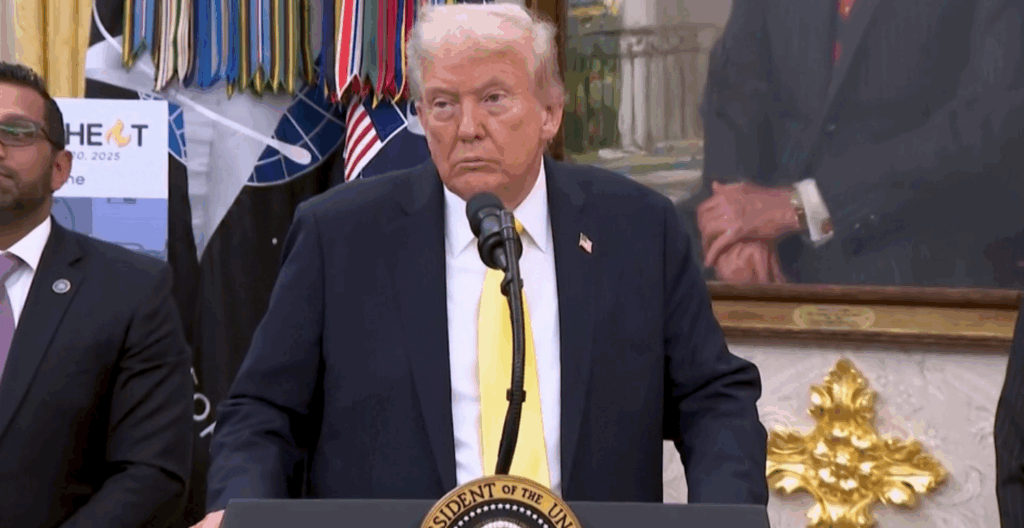
The move comes shortly after U.S. President Donald Trump, in his second term, reaffirmed a hardline stance toward Russia and called upon India to align “fully” with Western partners in isolating Moscow.
Trump has maintained that nations benefiting from Western security, trade, and investment frameworks must “stand on the right side of history.”
Diplomatic insiders indicate that Modi’s assurance to halt Russian crude imports was given directly in response to Trump’s personal appeal during a recent phone conversation.
“India recognizes the importance of global unity in ensuring peace and stability,” a senior Indian official told Lion’s Roar News under condition of anonymity. “The Prime Minister’s decision reflects India’s maturity as a responsible global actor, even amid complex energy and security needs.”
Is India Playing a Double Game? The Strategic Balancing Act
Critics, however, view this decision through a different lens. For years, India has pursued what analysts describe as a “multi-alignment” policy — maintaining strong defense and trade relations with both Russia and the United States.
Even as India curtails its oil imports from Russia, it continues to rely heavily on Russian defense technology, including aircraft, submarines, and missile systems.
This raises questions about whether India’s latest move is a tactical adjustment rather than a full strategic shift.
Foreign policy observers suggest that New Delhi may still seek backdoor channels to import limited volumes of Russian oil through third-party intermediaries — a practice that has persisted among several Asian nations despite sanctions.
“India isn’t necessarily abandoning Russia,” notes Dr. Rakesh Mehta, an energy and geopolitics researcher at the Institute of Strategic Studies. “It’s repositioning itself to retain U.S. favor while keeping Russian cooperation alive in defense and energy technology. This is not betrayal — it’s pragmatic diplomacy.”
Implications for India–Russia Relations
Moscow has not officially commented on the reports, but Russian energy officials are expected to express disappointment.
Russia viewed India as a reliable trade partner that defied Western pressure, helping sustain its energy revenues during the most difficult phase of sanctions.
The suspension of oil imports could reduce Russia’s monthly export income by several hundred million dollars and further constrain its ability to manage fiscal deficits exacerbated by prolonged war expenditure.
However, diplomatic sources in Moscow note that Russia understands India’s unique position — and may avoid a confrontational response in hopes of preserving their long-standing defense partnership.
“India remains a strategic partner,” said one Russian diplomat based in Asia. “Our relationship is much broader than oil — it’s rooted in history, defense, and mutual respect.”
A Win for Washington — But at What Cost?
For the United States, India’s move is a symbolic diplomatic victory. It underscores the success of Washington’s sustained campaign to align democratic partners against Moscow’s influence.
Yet, analysts caution that the decision could also expose India to economic vulnerabilities, including higher energy costs and reduced supply flexibility.
By reducing access to discounted Russian crude, India may face inflationary pressures and rising fuel import bills, which could ripple through the economy.
Moreover, it risks alienating Moscow — a reliable defense and geopolitical partner during crises when Western support has wavered.
The Road Ahead: Pragmatism Over Ideology
India’s foreign policy, experts argue, has always been guided more by pragmatism than ideology.
Even as New Delhi steps back from Russian oil, it is unlikely to sever deep-rooted military and diplomatic ties with Moscow.
Instead, it may pivot toward a diversified oil import portfolio, increased renewable energy development, and deeper collaboration with the U.S. and Middle Eastern allies.
In this sense, Modi’s decision reflects a careful balancing act, not a capitulation. India continues to assert its autonomy — demonstrating that while it aligns with the West on some issues, it will always prioritize national interest over alliance politics.
Conclusion
India’s halt on Russian oil imports marks a turning point in South Asia’s geopolitical landscape.
It underscores how energy, diplomacy, and global power politics intersect in shaping modern alliances.
As the world watches how Moscow and Washington react, New Delhi’s challenge will be maintaining its strategic independence — walking the thin line between global responsibility and national necessity.