Historic Arrest Shakes Sri Lankan Political Landscape
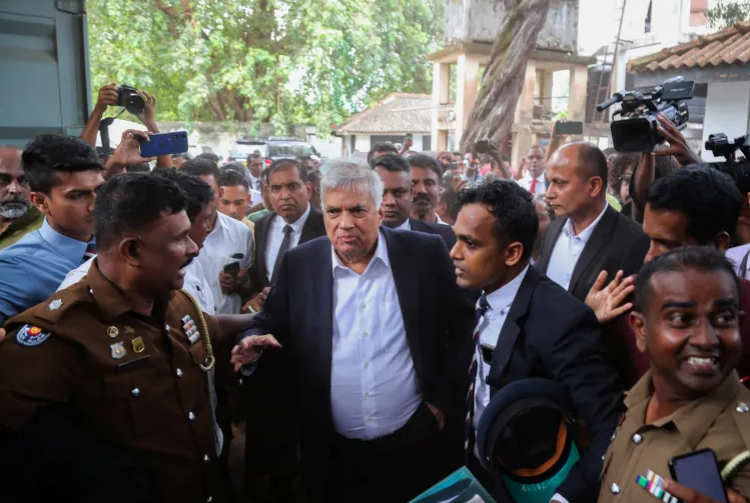
Colombo, 22 August 2025 — In a landmark moment for Sri Lankan justice and accountability, former President Ranil Wickremesinghe was arrested today by the Criminal Investigation Department (CID), marking the first time a former head of state has been detained on corruption charges in the nation’s history
Wickremesinghe, 76, who led the country from July 2022 until September 2024, was taken into custody following the CID summoning him for a statement relating to an ongoing investigation. Authorities allege he misused public funds—approximately Rs. 16.9 million (around USD 50,000)—to cover expenses linked to a private visit to London to attend his wife’s graduation ceremony, immediately following an official trip to the United States
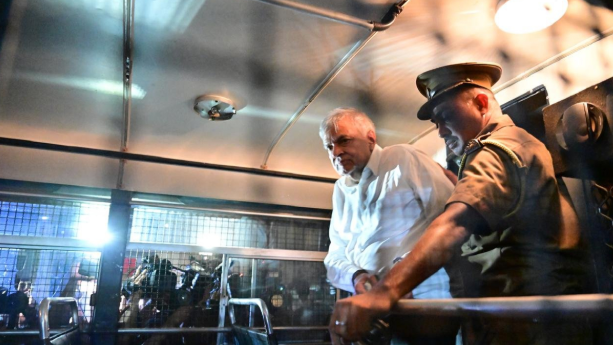
During the court appearance, a police spokesperson confirmed his arrest, and a magistrate has remanded Wickremesinghe in custody until 26 August 2025, when the next hearing is scheduled.
Background: The Road to Arrest
Wickremesinghe’s political journey spans decades, serving as Sri Lanka’s prime minister six times before assuming the presidency in July 2022 amid one of the worst economic crises in the country’s history. Despite being credited for stabilising the economy—through demanding austerity and securing an IMF bailout—his leadership came under intense scrutiny from critics, especially regarding transparency and perceived nepotism
The investigation launched in June 2025, when CID recorded statements from Wickremesinghe’s former presidential secretary Saman Ekanayake and private secretary Sandra Perera about the London trip’s authorization and funding
Wickremesinghe’s office has firmly rebutted the accusations, denying misuse of state resources and insisting his wife personally financed the trip
Present Developments
- Detention: Wickremesinghe remains in custody, with the next court date set for 26 August 2025
- Political Reaction: The United National Party (UNP), his political base, swiftly denounced the arrest as politically motivated. UNP figures argue Wickremesinghe stepped into the presidency during national crisis and should be protected rather than prosecuted
- Anti-Corruption Drive: The move aligns with a broader crackdown on financial improprieties under the new President, Anura Kumara Dissanayake, who assumed office in late 2024 promising to root out corruption at all levels
- Public Reaction: Reporters have noted demonstrations of support and protest outside the Fort Magistrate’s Court, signaling deep divisions over the arrest—some see it as overdue accountability; others lament what they view as political vengeance
What Might Lie Ahead? Informed Speculation
- Extended Investigation and Possible Indictment
If investigators produce definitive evidence of misuse—such as financial records or testimony confirming state resources funded a purely personal trip—formal charges could follow. Wickremesinghe’s legal team is likely preparing a robust defense emphasizing the blurred lines between state duty and personal responsibility, especially given the trip occurred in conjunction with official visits. - A Politically Charged Trial
Given his prominent status, any trial will be highly politicised. The UNP might mobilise nationwide support, framing Wickremesinghe as a victim of partisanship, while the current government could leverage public sentiment for clean governance. - Precedent-Setting Legal Outcome
A conviction would signal a new era of accountability—no official shield against the law—potentially invigorating Sri Lanka’s anti-corruption initiatives. Conversely, a politically tinged acquittal or dismissal could demoralize reformers and embolden erstwhile elites. - Impact on UNP and Political Landscape
Wickremesinghe’s fate may redefine the UNP’s identity and viability. Should the case escalate, moderate voters might shift toward other parties, while within the UNP ranks, a leadership vacuum or intergenerational struggle could emerge. - International Perception and Economic Signalling
Global investors and international partners—many reassured by Wickremesinghe’s fiscal stewardship—will closely watch these proceedings. A fair, transparent outcome could bolster investor confidence; politically motivated spectacle could deter them.
Conclusion
Ranil Wickremesinghe’s arrest on 22 August 2025 marks a momentous juncture in Sri Lanka’s pursuit of institutional integrity. From a stabilising leader in a time of economic upheaval to a defendant facing allegations of personal enrichment, his fall from grace spotlights the delicate balance between governance and accountability.
What unfolds in the coming days—even weeks—will likely have profound consequences for Sri Lanka’s legal norms, political parties, and global reputation. For now, the nation watches as an unprecedented chapter in its constitutional history plays out.