Global Weather Extremes: Deadly Floods in China, Persistent Heatwave in Europe
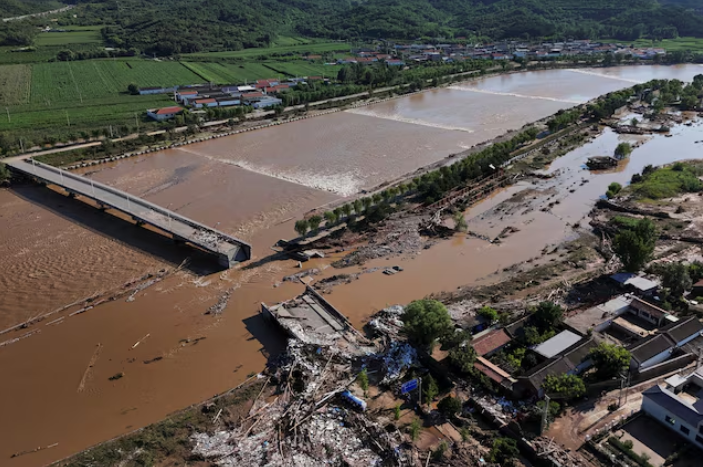
GLOBAL — The planet is grappling with a stark illustration of climate extremes as deadly floods inundate northern China while a persistent and intense heatwave continues to grip parts of Europe. The contrasting weather events highlight the growing challenges posed by a changing climate and the devastating impact it has on communities worldwide.
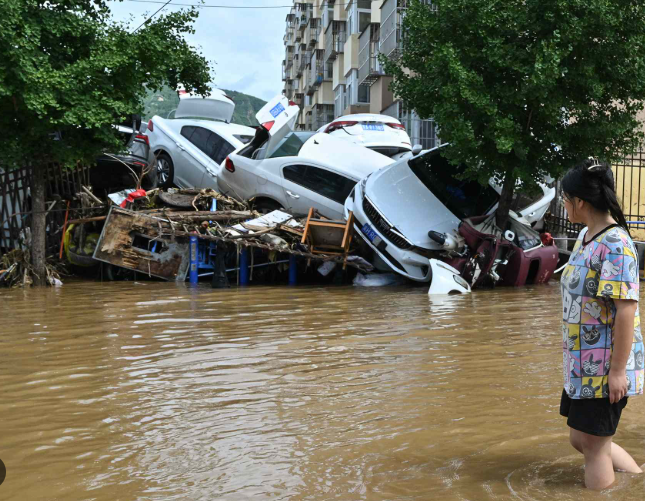
In China, torrential rains have led to widespread and deadly flooding, particularly in the northern regions and the capital city of Beijing. Emergency services are stretched to their limits, responding to calls for rescue and providing aid to hundreds of thousands of people displaced by the floodwaters. Infrastructure has been severely damaged, and the economic toll is expected to be significant. The government has mobilized the military to assist in relief efforts, and a state of emergency has been declared in several provinces.
Meanwhile, thousands of kilometres away, parts of Europe are experiencing the other side of the meteorological coin. A prolonged heatwave, with temperatures soaring to record-breaking levels, is causing significant disruption in countries like Spain, France, and parts of Scandinavia. The extreme heat has led to an increase in heat-related illnesses, a strain on power grids, and a heightened risk of wildfires. Authorities are issuing public health warnings and urging citizens to take precautions, especially the elderly and vulnerable.
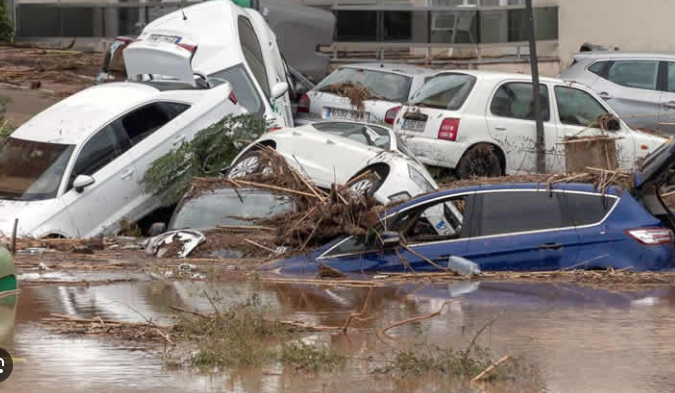
Scientists are pointing to these events as further evidence of the human-induced climate crisis. While individual weather events cannot be definitively linked to climate change, the increased frequency and intensity of such extremes are consistent with climate models. The floods in China and the heatwave in Europe are part of a broader pattern of global weather instability that is becoming more pronounced with each passing year.
The dual crises underscore the urgency of a coordinated international response to climate change. As nations focus on immediate relief and recovery efforts, the long-term challenge of reducing greenhouse gas emissions and adapting to a more volatile climate remains paramount. The events serve as a powerful reminder that climate change is not a distant threat but a present and immediate danger, impacting the lives and livelihoods of millions across the globe.