Extradition Bid Fails: Vietnamese Officials Accused of Sexual Assault Evade Trial in New Zealand
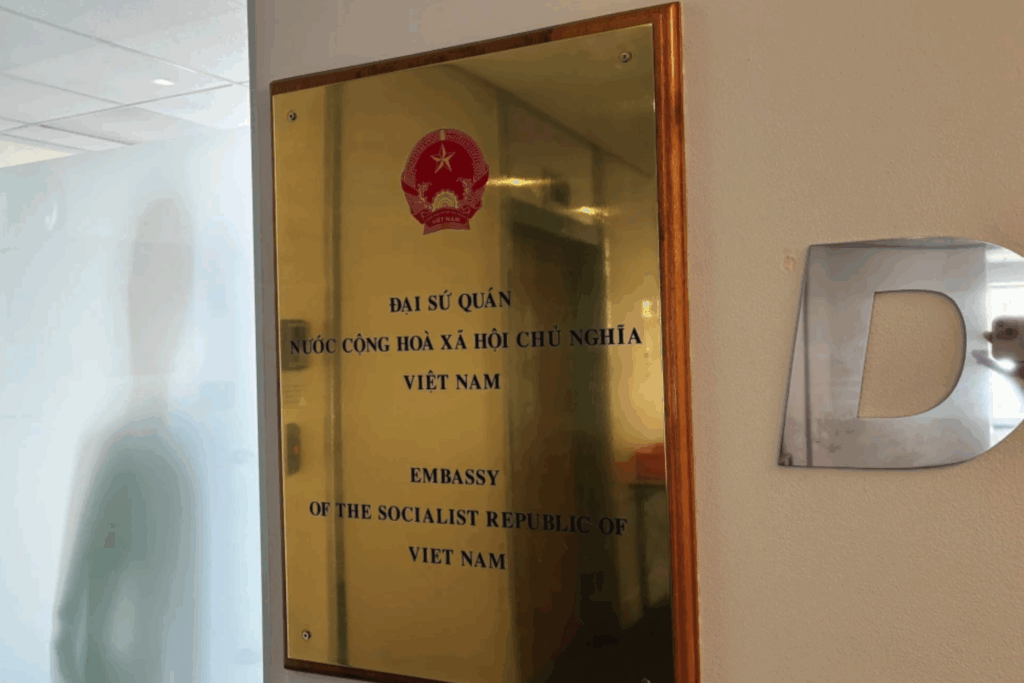
Wellington, October 3, 2025 – A high-profile extradition case involving two Vietnamese officials accused of sexual assault in Wellington has collapsed, after New Zealand authorities confirmed that efforts to bring the men back to face trial have failed.
The case, which has attracted widespread public attention and raised questions about international justice cooperation, centres on allegations made during the officials’ stay in New Zealand on a government-related visit. Despite strong evidence gathered by local investigators, legal obstacles and the absence of an extradition treaty with Vietnam have left the case unresolved.
No Treaty, No Trial
The two officials left New Zealand shortly after the allegations surfaced, returning to Vietnam before charges could be formally laid in court. New Zealand law enforcement agencies pursued extradition, but their efforts quickly met a dead end: Vietnam has no binding extradition agreement with New Zealand.
Officials from Wellington confirmed that diplomatic approaches were made to encourage a voluntary handover, but those appeals were unsuccessful. Vietnamese authorities have not indicated any willingness to surrender the officials, and under international law, New Zealand’s options are limited.
A Justice Ministry spokesperson acknowledged the frustration surrounding the case, stating:
“We pursued all legal and diplomatic avenues available, but without a treaty and without cooperation from the other state, extradition was not possible.”
Outcry From Victims’ Advocates
The development has drawn strong criticism from advocacy groups and victims’ rights organisations. Many argue the situation highlights a loophole in New Zealand’s justice system, where foreign nationals accused of serious crimes can evade trial by returning home.
Advocates say the case risks sending the wrong message to victims, undermining confidence in the legal system. Calls have been renewed for the government to expand its network of extradition treaties, particularly with countries in Asia and the Pacific.
One victims’ rights spokesperson commented:
“This is not just about one case – it’s about accountability. When serious allegations like sexual assault are left unresolved because of international technicalities, it damages trust in justice.”
Diplomatic Sensitivities
The government has been careful in its public response, balancing the demand for accountability with the need to maintain diplomatic relations with Vietnam, an important trading partner.
Foreign policy analysts note that pressing the matter too strongly could strain bilateral ties. At the same time, failure to act decisively may fuel domestic criticism of the government’s handling of international criminal cases.
Legal Experts Call for Reform
Legal experts argue that this case should be a catalyst for reform. They point out that New Zealand maintains extradition agreements with only a limited number of countries, leaving gaps that can be exploited.
Professor [Name], a specialist in international law, noted that:
“New Zealand’s extradition framework has not kept pace with the realities of global mobility. If we are serious about ensuring justice, we need stronger agreements, more flexible legislation, and clearer diplomatic channels.”
Broader Implications
Beyond the immediate case, the failed extradition raises wider questions about how New Zealand protects its citizens and residents from crimes committed by visiting foreign officials. Critics have also pointed to the issue of diplomatic immunity, arguing that privilege should not be used to shield individuals from accountability in cases of serious criminal conduct.
For now, the victims remain without closure, and the accused officials are out of New Zealand’s reach. The case underscores the challenges of pursuing justice across borders, especially in the absence of binding agreements.
Looking Forward
The government has promised to review its extradition processes, but officials caution that building new treaties is a lengthy and politically complex task. In the meantime, advocacy groups are pressing for immediate reforms to close gaps in the system and ensure future cases are not left unresolved.
As one observer remarked:
“This case is a sobering reminder that justice does not always travel across borders.”