Dhaka Demands, Delhi Delays: India’s Cautious Stance on Sheikh Hasina’s Death Sentence
By Lions Roar News Desk November 19, 2025
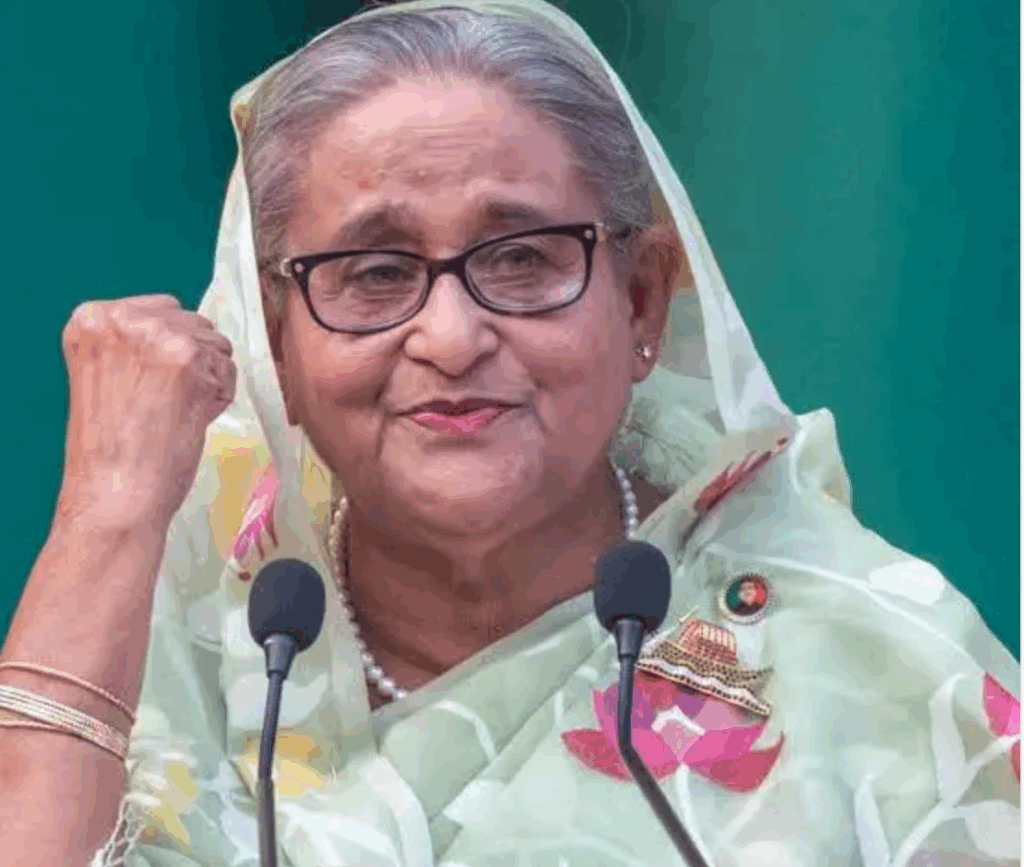
In a development that has ratcheted up diplomatic tension in South Asia, India has offered a carefully calibrated response to the death sentence handed down to Bangladesh’s former Prime Minister, Sheikh Hasina. The verdict, delivered in absentia by Bangladesh’s International Crimes Tribunal (ICT), found the ousted leader guilty of “crimes against humanity” linked to the brutal suppression of the student-led uprising in mid-2024 that ultimately toppled her government.
Hours after the verdict was announced on Monday, the Indian Ministry of External Affairs (MEA) confirmed it had “noted” the decision. Crucially, the MEA avoided taking a definitive stance on the judicial ruling or the subsequent demand for extradition from Dhaka. Instead, India’s commitment was couched in a broader assurance: “As a close neighbour, India remains committed to the best interests of the people of Bangladesh, including in peace, democracy, inclusion and stability in that country. We will always engage constructively with all stakeholders to that end.”
This measured diplomatic language serves as a firewall against the immediate and forceful demand from Bangladesh’s interim government, led by Chief Adviser Muhammad Yunus, to immediately hand over the former Prime Minister, who has been residing in exile in New Delhi since fleeing Dhaka in August 2024.
The Trial in Absentia: Conviction for ‘Crimes Against Humanity’
Sheikh Hasina, who was Bangladesh’s longest-serving Prime Minister, and her former Home Minister, Asaduzzaman Khan Kamal, were sentenced to death following a months-long trial conducted without their presence. The ICT convicted her on multiple counts, including ordering the use of lethal force and failing to prevent mass killings during the July-August 2024 student protests. UN human rights offices estimated that up to 1,400 people were killed during the crackdown, with most fatalities attributed to gunfire from security forces.
From her exile in New Delhi, the 78-year-old leader issued a defiant response, labeling the verdict “biased and politically motivated.” She alleged the tribunal was “rigged” and established by an unelected interim government with the intent to sideline her permanently and dismantle her political party, the Awami League. She has maintained that while the situation “spiraled out of control,” the unrest did not constitute a premeditated assault on civilians.
A Diplomatic Stand-off Over Extradition
The verdict has transformed the political exile of Sheikh Hasina into an unprecedented diplomatic crisis for New Delhi. Following the ruling, the Bangladesh Foreign Ministry formally invoked the 2013 India-Bangladesh Extradition Treaty, demanding the immediate handover of both Hasina and Kamal. Dhaka warned that sheltering individuals convicted of such grave crimes would be considered an “extremely unfriendly act and a disregard for justice.”
However, the legal and political ground beneath the treaty allows India significant room to maneuver. Analysts point directly to Article 6 of the agreement, which provides a “political offence exemption.” This clause permits India to refuse an extradition request if the alleged offense is considered “political in nature,” or if the request is deemed not to be made “in good faith in the interests of justice.”
Given the turmoil surrounding her removal, the trial being conducted by an interim government ahead of expected elections, and Hasina’s own claims of political vendetta, her legal team and sympathetic observers believe India has strong legal grounds to decline the request. New Delhi, which enjoyed a highly supportive strategic partnership with Hasina’s regime, is widely seen as unwilling to betray a long-time ally, particularly one with deep ties across India’s political spectrum.
The MEA’s statement about “engaging constructively with all stakeholders” is widely interpreted as India buying time and refusing to be rushed into a decision that could irreparably damage its sensitive relationship with either the current administration or a future elected government in Dhaka.
The Future of Bangladesh-India Relations
The extradition issue throws a complex shadow over the future stability of Bangladesh and its crucial relationship with India. The interim government under Chief Adviser Yunus has announced plans for national elections, while simultaneously moving to bar the Awami League from participating, further deepening the political divide.
India’s cautious stance reflects the intricate balance New Delhi must strike: maintaining influence with the new de facto government in Dhaka while upholding diplomatic norms and protecting a significant political refugee. Experts suggest that the imposition of capital punishment in a trial conducted in absentia further solidifies India’s likely decision not to extradite, as there would be serious reservations about due process and human rights standards being met.
For Sheikh Hasina, the verdict marks the most dramatic legal action against a Bangladeshi leader in decades, pushing her political future to an uncertain crossroads. While she remains in exile, her path forward hinges almost entirely on New Delhi’s legal and political determination, ensuring that this diplomatic stand-off will continue to define the bilateral relations for the foreseeable future.