Constitutional Clash: Sri Lanka’s Appointment Gridlock Signals Deeper Governance Debates
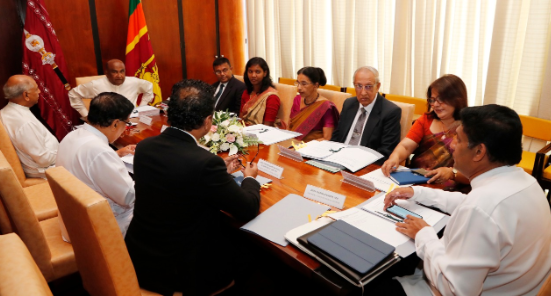
COLOMBO, SL – A constitutional impasse is gripping Sri Lanka, as the Constitutional Council (CC) continues to reject key government nominations for high-level positions. The recent rejection of a nominee for the Supreme Court and a proposed Attorney General has intensified a growing debate surrounding the powers of the Constitutional Council and the executive branch’s authority in the appointment process. This unfolding drama underscores deeper questions about checks and balances within the nation’s governance framework.
The Constitutional Council, established to promote independent and merit-based appointments to crucial state institutions, has asserted its mandate to scrutinize nominees rigorously. However, the government views these rejections as an impediment to efficient governance and a challenge to its executive prerogatives. This friction highlights the inherent tension between ensuring accountability and facilitating the smooth functioning of state machinery.
Critics of the CC’s decisions argue that repeated rejections can create instability and delays in critical public service sectors, potentially undermining public confidence in institutional stability. Conversely, supporters of the CC’s stance emphasize the paramount importance of safeguarding the independence and integrity of institutions like the judiciary and the Attorney General’s Department from political influence. They view the CC’s actions as a vital safeguard against potential cronyism or unsuitable appointments.
The current deadlock has prompted discussions within government circles about potentially amending the composition or powers of the Constitutional Council. Any such move, however, would likely face strong opposition from civil society groups and opposition parties who see the CC as a crucial pillar of democratic governance and an essential check on executive power, particularly in a nation with a history of concerns regarding institutional autonomy.
As the standoff continues, the long-term implications for governance in Sri Lanka remain uncertain. The debate is not merely about individual appointments but about the fundamental distribution of power and the strength of democratic institutions. A resolution will require delicate negotiation and a clear commitment to upholding constitutional principles, ensuring both effective governance and robust accountability for the benefit of all Sri Lankan citizens.