Conservation Reform Sparks Fierce Debate Over ‘Unleashing Growth’ on Public Land
CHRISTCHURCH – A new government bill aimed at reforming New Zealand’s Conservation Act is today igniting a firestorm of protest from environmental organizations, who are calling the proposed changes a “conservation retreat.” The bill, announced at the National Party conference, aims to “unleash growth” on the country’s conservation estate by making it easier for businesses in tourism, agriculture, and infrastructure to obtain concessions and operate on public land. Proponents argue this will create jobs and boost regional economies, while opponents fear it will lead to the irreversible exploitation of the country’s most treasured natural landscapes.
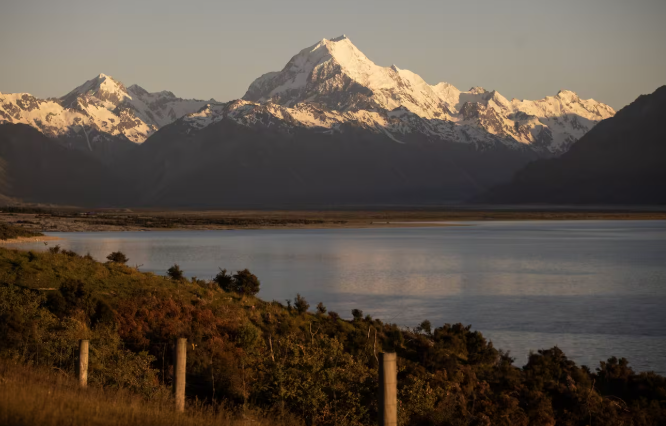
The current concession system has been widely criticized by the government as “broken,” with a backlog of applications and a lengthy, bureaucratic process that has stifled economic development. Conservation Minister Tama Potaka has stated that the reforms will create a more efficient system, allowing for appropriate business activity that aligns with conservation values. The government is also proposing to introduce a new charge for international visitors at four popular sites—Cathedral Cove, the Tongariro Crossing, Milford Sound, and Aoraki/Mount Cook—to generate an estimated $62 million per year for re-investment into conservation efforts at those sites.
However, Forest & Bird, one of New Zealand’s leading conservation groups, has fiercely condemned the proposed changes, labeling them “the most significant weakening of conservation law in a generation.” Chief Executive Nicola Toki argues that the changes will fundamentally shift the purpose of the Conservation Act from protecting nature to facilitating its commercial use. She has expressed concerns that the bill would make it easier to dispose of or exchange public conservation land and that it could transform the Department of Conservation (DOC) from a protector of biodiversity into a land-use manager.
The debate over the bill highlights the ongoing tension between economic development and environmental protection in New Zealand. The government is attempting to strike a balance, arguing that the reforms will not compromise conservation values and that the new revenue from international visitors will directly benefit the protected areas. Critics, however, are skeptical, pointing to the risk that commercial interests could take precedence over the long-term health of fragile ecosystems and native species.
The coming weeks are expected to see widespread public consultation and protest as the bill moves through Parliament. The outcome of this legislative battle will have profound implications for the future of New Zealand’s conservation estate and will be a major test of the government’s commitment to both economic growth and environmental stewardship. The battle lines are drawn, and the future of a third of New Zealand’s land area hangs in the balance.