Code Brown: Sewage Closes Auckland Beaches as Summer Begins
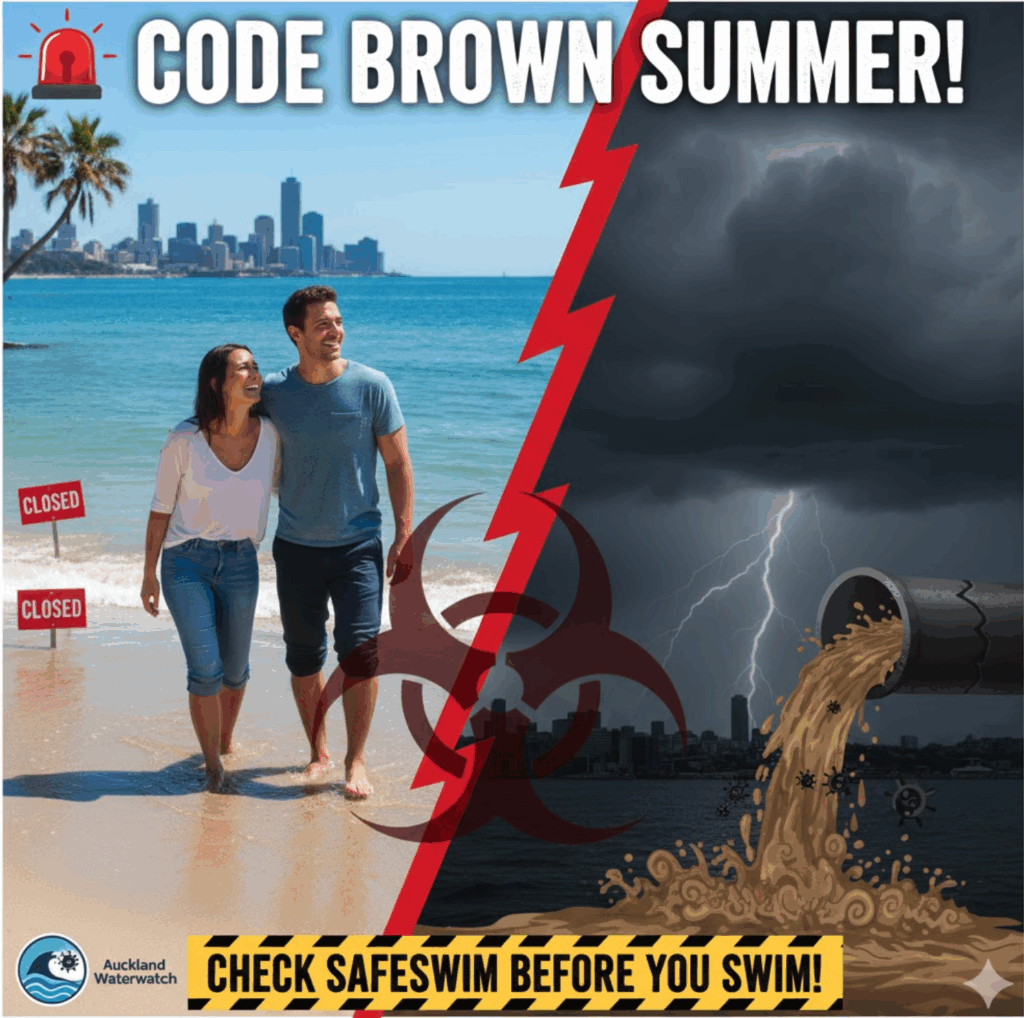
AUCKLAND — The first day of summer has brought an unwelcome visitor to Auckland’s beaches, with sewage overflows from weekend thunderstorms leading to water quality warnings across the central city. Swimmers are being warned to stay out of the Waitematā Harbour—or risk serious illness—as local authorities struggle to cope with the influx of wastewater.
On Monday, Auckland Council marked 13 beaches with a “black” warning, signifying a severe wastewater overflow, while dozens more were flagged “red” for poor water quality. The closures have directly impacted popular spots like Herne Bay Beach and Sentinel Beach.
Beachgoers were surprised by the danger lurking beneath the surface. Friends Chris and Lauren, who were enjoying their day off at Herne Bay, quickly changed their plans upon hearing the news.
“I had no idea. I think I’m not going to swim right now, actually,” said Chris, while Lauren, who prefers to avoid skin irritations, remarked that she preferred keeping her distance from faeces.
The Underlying Problem
The root cause, according to experts, is aging wastewater infrastructure that cannot handle the pressure from intense weather events. Thunderstorms over the weekend filled the city’s systems to the brim, forcing untreated effluent to spill directly into the harbour.
Victoria University freshwater ecologist Dr. Mike Joy told Midday Report that this is a symptom of a larger, systemic problem exacerbated by climate change.
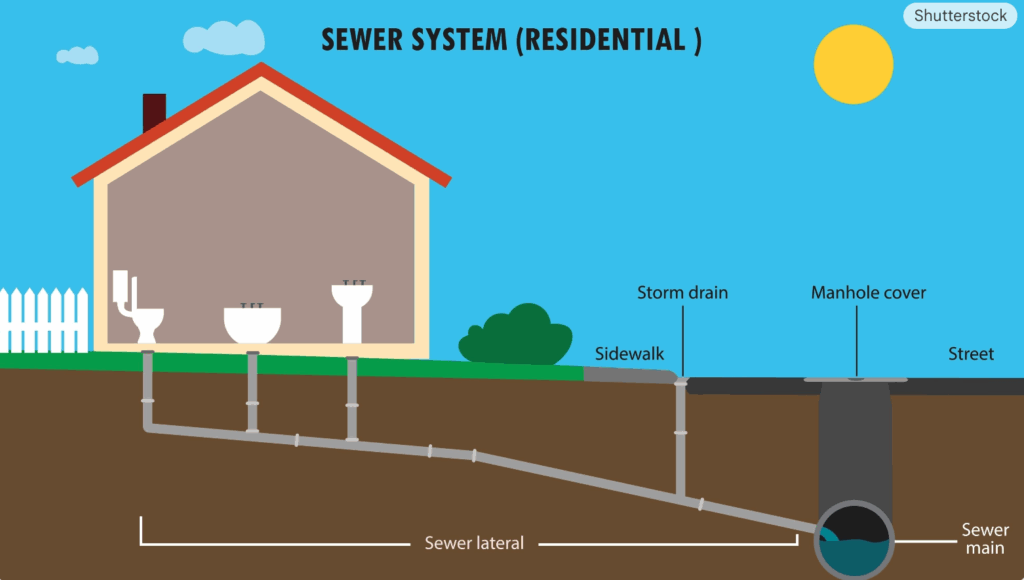
“You’ve got climate change, which means warmer temperatures… but also more extremes in weather,” Dr. Joy explained, leading to more frequent flooding and high rainfall events. He noted that “huge amounts of water that shouldn’t be in a sewage system… meaning massive flows coming into wastewater treatment plants and they just can’t handle it.”
Health Risks and Future Outlook
The risk is real. Dr. Martin Neale, Auckland Council’s SafeSwim technical lead, warned that swimmers are exposed to pathogens that “will manifest as either respiratory or tummy upsets,” and potentially infect cuts.
Neale expects contaminated waters to clear within two days but warned that similar interruptions are inevitable throughout the season. “During summer is when we get these sort of intense thunderstorm situations… we would encourage people to check out SafeSwim,” he advised.
In response, Watercare acknowledged the infrastructure challenges and pointed to significant future investment. Head of wastewater Jon Piggot confirmed an $8 billion investment over the next decade in new and upgraded infrastructure, including $4.8 billion focused specifically on reducing overflows.
For central city areas like Herne Bay, however, substantial relief remains years away. Piggot noted, “the real results will come around 2028 when we finish the Herne Bay Collector tunnel.”