Charting a New Course: An Examination of Sri Lanka’s Evolving Educational Reforms
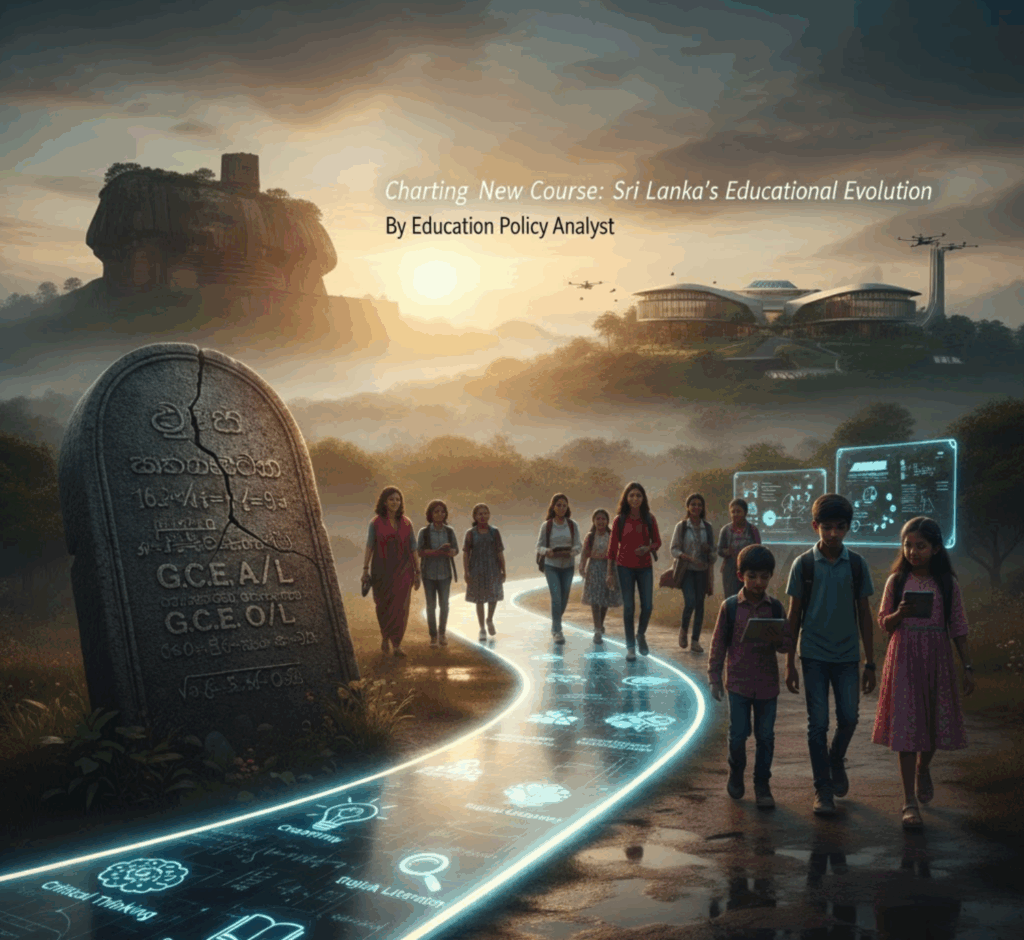
By [Your Name/Journalist Name, e.g., Education Policy Analyst]
Introduction: The Imperative for Educational Metamorphosis
Sri Lanka, an island nation with a rich tapestry of cultural heritage and a historically high literacy rate, has long prided itself on its commitment to public education. However, like many developing nations, its educational system has faced persistent challenges, including an over-reliance on rote learning, a highly competitive and often stressful examination culture, and a perceived disconnect between academic outputs and the demands of a rapidly evolving global economy. In response to these enduring issues and the exigencies of the 21st century, the Sri Lankan government has embarked on an ambitious journey of “අධ්යාපන ප්රතිසංස්කරණ” (Education Reforms). This comprehensive program aims to fundamentally restructure the national education landscape, from primary schooling to tertiary institutions, with the overarching goal of fostering a more skilled, adaptable, and globally competent citizenry. This article delves into the core tenets of these reforms, their current implementation status, the myriad challenges they face, and a critical analysis of their potential benefits and drawbacks.
The Anatomy of Change: What Defines Sri Lanka’s New Education Reforms?
At its heart, Sri Lanka’s new education reform program is multifaceted, targeting several key areas simultaneously. While specific details may evolve, the broad strokes indicate a significant departure from traditional pedagogical approaches:
- Curriculum Restructuring: A central pillar is the shift towards a competency-based curriculum. This involves moving away from content memorization to developing essential skills such as critical thinking, problem-solving, creativity, collaboration, and digital literacy. There is a strong emphasis on STEM (Science, Technology, Engineering, Mathematics) education, integrated with arts and humanities, to foster holistic development. Vocational education and technical training are also being integrated more closely with mainstream schooling to better prepare students for diverse career pathways.
- Assessment Reforms: Perhaps one of the most contentious, yet crucial, aspects is the overhaul of the examination system. The reforms seek to reduce the undue pressure of high-stakes, single-point examinations (like the G.C.E. Ordinary Level and Advanced Level) and introduce more continuous, formative, and diversified assessment methods. The aim is to evaluate understanding and application of knowledge rather than mere recall, thereby promoting deeper learning and reducing the incidence of ‘teaching to the test.’
- Teacher Professional Development: Recognizing that teachers are the linchpin of any successful reform, a significant focus is placed on continuous professional development. This includes training in new pedagogical approaches, digital tools, classroom management techniques for competency-based learning, and fostering a growth mindset among educators. The goal is to empower teachers as facilitators of learning rather than mere transmitters of information.
- Technological Integration and Digital Literacy: In an increasingly digitized world, the reforms prioritize the integration of technology into the learning process. This encompasses providing access to digital learning resources, promoting e-learning platforms, and developing digital literacy skills among both students and teachers. The ambition is to bridge the digital divide and prepare students for a technologically driven future.
- Equity and Access Initiatives: The program also seeks to address long-standing disparities in educational quality and access, particularly for students in rural, remote, or underserved areas, and those with special educational needs. Initiatives include improving infrastructure in disadvantaged schools, providing targeted resources, and ensuring inclusive learning environments.
- Higher Education Linkages: Reforms extend to the tertiary sector, aiming to enhance the relevance of university curricula to industry needs, foster greater research and innovation, and promote entrepreneurial skills among graduates. There’s a push for greater collaboration between academia and the private sector to bridge the skill gap in the workforce.
Current Status of Implementation: A Work in Progress
The implementation of these comprehensive reforms is an ongoing, multi-phased process. Initial steps have focused on developing new curricula frameworks, piloting new assessment methods in selected schools, and initiating large-scale teacher training programs. Legislative frameworks and policy documents are being refined to provide the necessary legal and administrative backing.
Early indications suggest varied progress. In urban centers and well-resourced schools, there’s been some enthusiasm and adaptability, particularly regarding technological integration. Pilot programs for competency-based learning have yielded valuable feedback, highlighting both the potential benefits and the practical challenges of shifting deeply ingrained educational practices. International organizations and development partners have shown interest and are providing support in areas like curriculum design and digital education infrastructure, signaling a broad recognition of the reforms’ importance. However, a nationwide, uniform rollout is still in its nascent stages, with much of the system still operating under older paradigms while preparing for the transition.
The Thorny Path Ahead: Challenges Confronting the Reforms
Despite the laudable vision, Sri Lanka’s education reforms face a formidable array of challenges that could impede their successful realization:
- Resource Constraints and Funding: Sri Lanka’s economic challenges, exacerbated by recent crises, pose a significant threat. Implementing a nationwide reform of this magnitude requires substantial investment in infrastructure (smart classrooms, laboratories, reliable internet), new learning materials, and sustained teacher training. Budgetary limitations could severely hamper the pace and quality of implementation, particularly in underfunded rural schools.
- Teacher Resistance and Capacity: Many teachers, accustomed to traditional methods, may find it challenging to adapt to new pedagogical approaches and assessment techniques. Lack of adequate training, insufficient support systems, increased workload, and skepticism about the efficacy of the changes can lead to resistance or ineffective implementation at the classroom level.
- Public Perception and Parental Anxiety: Sri Lankan society has a strong, culturally embedded emphasis on competitive examinations as gateways to university and social mobility. Shifting away from this high-stakes model generates considerable anxiety among parents and students who fear that new assessment methods might disadvantage their children or reduce their chances of higher education. Overcoming this deeply ingrained cultural perception requires extensive public awareness campaigns and transparent communication.
- Equity Gaps and the Digital Divide: While the reforms aim for greater equity, the digital divide remains a significant barrier. Access to reliable internet, computers, or even electricity is not uniform across the island, potentially exacerbating existing disparities between urban and rural, affluent and poor students in a technologically integrated curriculum.
- Political Will and Consistency: Educational reforms are long-term endeavors, requiring sustained political commitment across different administrations. Changes in government can often lead to policy reversals or dilution of previous initiatives, undermining consistency and creating uncertainty within the system.
- Economic Instability: The ongoing macroeconomic instability in Sri Lanka impacts all sectors, including education. Inflation, currency depreciation, and resource scarcity can delay projects, diminish the purchasing power for educational materials, and even lead to brain drain among skilled educators seeking opportunities abroad.
- Implementation Gaps: The success of any reform hinges on effective implementation. A disconnect between high-level policy formulation and ground-level execution, particularly in monitoring progress, providing feedback, and adapting strategies, can lead to inefficiencies and failure to achieve desired outcomes.
The Bright Side: Potential Benefits of the Suggested Changes
Should these reforms overcome their challenges, the potential benefits for Sri Lankan education and society are profound:
- Enhanced Relevance and Employability: By aligning the curriculum with global standards and future workforce demands, graduates will be better equipped with the skills needed for the 21st-century job market, both locally and internationally, potentially reducing youth unemployment.
- Fostering Critical Thinking and Creativity: Moving beyond rote learning will cultivate critical thinking, analytical skills, problem-solving abilities, and creativity, essential attributes for innovation and adaptation in a complex world.
- Reduced Examination Stress: A diversified assessment system could significantly alleviate the intense academic pressure on students, promoting a more balanced and enjoyable learning experience, and potentially reducing mental health issues associated with high-stakes examinations.
- Technological Preparedness: Integrating digital literacy and technology into education will prepare students to thrive in a digital economy and participate effectively in a globally connected society.
- Greater Equity and Inclusivity: Focused initiatives for underserved populations and special needs students could bridge existing gaps, providing more equitable opportunities and fostering a more inclusive society.
- Holistic Development: A competency-based, interdisciplinary approach can promote the holistic development of students, nurturing not just academic prowess but also social, emotional, and practical life skills.
The Flip Side: Potential Drawbacks and Critiques
While the intentions are good, the reforms also carry inherent risks and have drawn criticism:
- Risk of Quality Dilution: A rushed or poorly executed shift to a competency-based curriculum and new assessment methods, without sufficient teacher training and resources, could inadvertently lead to a dilution of academic standards and a decline in educational quality.
- Implementation Overload and Confusion: Attempting to introduce too many changes simultaneously without adequate preparation, resources, and communication can overwhelm teachers, administrators, parents, and students, leading to confusion, inefficiency, and resistance.
- Assessment Design Complexity: Designing new assessment systems that are fair, reliable, consistent, and truly evaluate competencies rather than just surface knowledge is a complex undertaking, prone to errors if not meticulously planned and piloted.
- Teacher Burnout: The increased demands on teachers to learn new pedagogies, adapt to new curricula, and implement diverse assessment methods, often without commensurate support or reduced workload, can lead to burnout and demotivation.
- Cultural Discrepancy: The reforms, particularly in assessment, might clash with deeply embedded cultural values and societal expectations regarding academic achievement and the pathway to higher education, leading to public dissatisfaction.
- Exacerbated Inequality: If technological integration and access to resources are not meticulously planned to ensure universal equity, the reforms could inadvertently widen the gap between those with access to modern learning tools and those without.
Conclusion: A Vision in Progress
Sri Lanka’s new education reform program represents a bold and necessary step towards modernizing its educational system and equipping its youth for the challenges and opportunities of the 21st century. The vision is commendable, aiming to foster critical thinking, creativity, and adaptability, while reducing the undue pressure of a highly competitive examination culture.
However, the journey ahead is fraught with significant challenges, predominantly stemming from resource constraints, the need for extensive teacher capacity building, and the critical imperative to manage public perception and anxiety. The success of these reforms will hinge not just on the robustness of their design, but more crucially, on the sustained political will, judicious allocation of resources, effective and adaptive implementation strategies, and genuine collaboration among all stakeholders – policymakers, educators, parents, students, and the wider community. Only through such concerted and pragmatic efforts can Sri Lanka truly chart a new, prosperous course for its future generations through the transformative power of education.