BRICS Nations Chart New Course for Global Governance and Digital Future
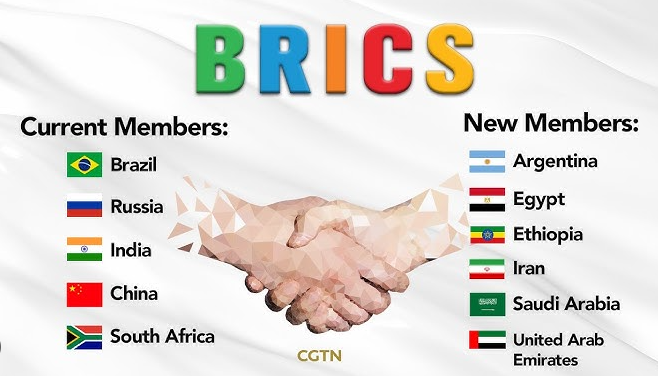
Rio de Janeiro, Global Arena – A significant shift in the global power dynamic is underway, as evidenced by the recent BRICS Media and Think Tank Forum held in Rio de Janeiro. Representatives from the BRICS nations – Brazil, Russia, India, China, and South Africa, alongside newly admitted members – convened with a clear agenda: to fundamentally reshape the international narrative system and amplify the collective voice of the Global South in global affairs. The forum served as a powerful platform for discussions on critical issues, from leading global development to forging a new digital future and advocating for a more equitable world order.
The core message emanating from the forum was a strong assertion of the Global South’s growing influence and its desire for a more multipolar world. For too long, developing nations have felt marginalized in international decision-making processes, with established Western powers often dominating the discourse. The BRICS bloc, with its expanding membership and economic might, is positioning itself as a formidable counterweight, advocating for a governance structure that better reflects the diverse interests and aspirations of the majority of the world’s population.
A key theme explored during the discussions was the role of BRICS in spearheading global development. This includes leveraging the collective economic clout, abundant natural resources, and diverse development experiences of member states to support sustainable growth and poverty reduction across the Global South. Initiatives around shared infrastructure projects, trade in local currencies, and collaborative financing mechanisms are gaining traction as alternatives to traditional Western-dominated financial institutions.
The forum also delved deep into the burgeoning digital future, particularly the transformative potential of Artificial Intelligence (AI). There was a strong consensus on the need for collaborative approaches to AI research and development, as well as the establishment of inclusive governance frameworks and technical standards. The BRICS nations emphasized that the benefits of AI must be shared globally, and that the unique realities and priorities of the Global South must be considered in shaping this technological revolution, ensuring it serves humanity rather than exacerbating existing inequalities.
The push for a more just and inclusive global governance system is not without its complexities. Divergent political systems, economic priorities, and historical contexts among BRICS members present inherent challenges. However, the unifying thread is a shared commitment to challenging Western-dominated institutions and advocating for reforms that grant greater representation and influence to emerging economies and developing countries on the world stage.
As the BRICS bloc continues to expand and solidify its influence, the implications for the existing international order are substantial. The forum in Rio signals a clear intent to move beyond rhetoric and to actively build new frameworks and partnerships that empower the Global South. The world watches closely to see how this collective endeavor will reshape diplomacy, trade, technology, and ultimately, the future of global governance.