Wellington’s “Third World” Crisis: Raw Sewage Floods Moa Point Plant, Closing South Coast for Months
By Lions Roar Aotearoa Political & Environmental Bureau
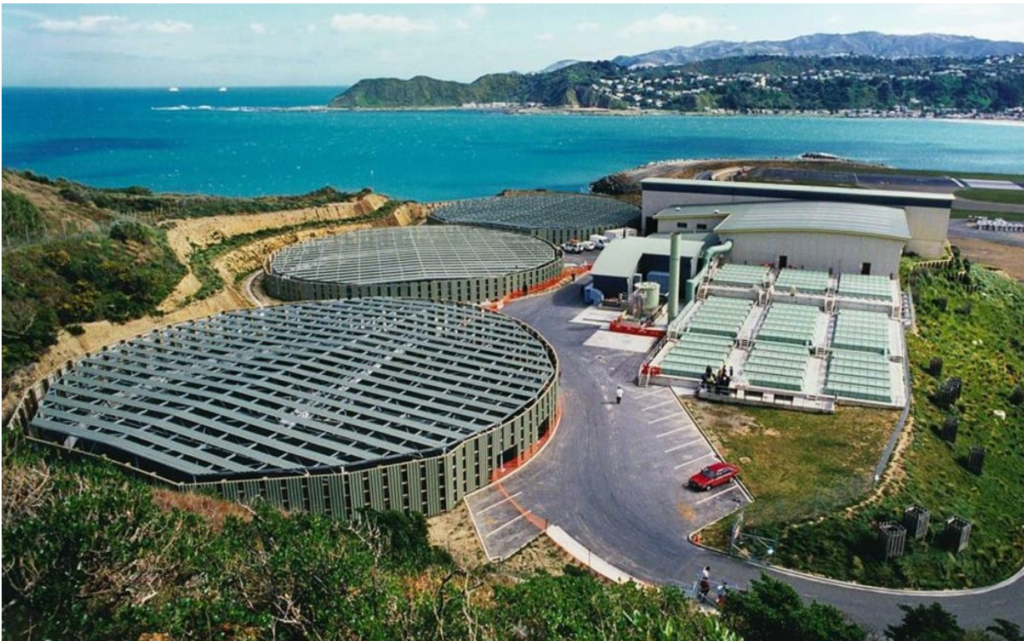
WELLINGTON — Wednesday, February 4, 2026 — In what has been described as a “catastrophic failure” of the capital’s aging infrastructure, the Moa Point Wastewater Treatment Plant has been shut down, staff evacuated, and raw sewage is currently spewing into the sea at an alarming rate.
Wellington Water Chief Executive Pat Dougherty confirmed this afternoon that the damage is so severe it could take months to repair, effectively stripping Wellingtonians of the use of their iconic South Coast beaches for the remainder of the summer.
1. The Midnight Emergency: Flooding and Evacuation
The crisis began in the early hours of Wednesday morning. At approximately 12:40 AM, Fire and Emergency crews responded to an alarm at the plant, only to find the lower levels already inaccessible due to massive flooding.
During a heavy downpour on Tuesday night, wastewater backed up into the outfall pipeline and surged back into the work site. The surge was so powerful that a room at the bottom of the plant—the size of an Olympic swimming pool—was submerged under three meters of wastewater.
Staff were quickly evacuated from the site due to the loss of power and the buildup of dangerous gases. Without electricity, the plant’s ventilation systems failed, making the environment toxic for workers.
2. 3,300 Litres Per Second: The Environmental Toll
At the peak of the failure, untreated wastewater was entering the ocean at a rate of 3,300 litres per second. While Mr. Dougherty noted that much of this volume was rain from the early morning storm, the impact remains severe.
Untreated sewage is currently discharging directly into Tarakena Bay. The immediate goal for crews is to restore power so that the wastewater can be redirected to the “long outfall” pipeline, which extends 1.8km into the Cook Strait, allowing for better dilution.
“This is a serious situation and we anticipate the plant will be shut down for an extended period,” Dougherty said. “It is unacceptable. We apologise to the public and our iwi partners for the environmental impact caused.”
3. South Coast Under Rāhui: “Who Wants to Swim in Crap?”
A rāhui has been placed over the affected area, and the public is being urged to stay away from all south coast beaches, including Lyall Bay and Island Bay. Public health signage has been erected, and customer teams are on the ground distributing advice.
The reaction from locals has been one of disgust and frustration. Commuters and residents at Lyall Bay on Wednesday morning described the situation as “appalling.”
- Maggie, a local resident: “It’s a big concern. I likely won’t swim here for a while. Because who wants to swim in crap?”
- Sally, a beachgoer: “We are the capital city of New Zealand. You’d expect we’d have world-class services, not this.”
Wellington Mayor Andrew Little called the event “obviously incredibly disappointing,” noting that the timing could not be worse with the Island Bay Festival scheduled for this weekend. The fate of the “Blessing of the Boats” ceremony remains uncertain.
4. “Third World Infrastructure” – Iwi and Leaders React
Taranaki Whānui Chief Executive Kara Puketapu-Dentice did not mince words when describing the failure.
“It is like we have got Third World infrastructure in a First World country, and our environment is suffering because of that,” he told Lions Roar Aotearoa. He signaled that the iwi would be following the subsequent investigations very closely, demanding a solution that prevents such a failure from ever happening again.
The incident is the third wastewater discharge in 24 hours for the region. On Tuesday night, heavy rain caused partially treated sewage to be dumped into the Karori Stream and fully treated sewage into the Waiwhetū Stream in Lower Hutt.
5. The Road to Recovery: Months, Not Weeks
Wellington Water is currently working through a three-stage priority list:
- Restore Power: To move wastewater to the long outfall in Cook Strait.
- Sludge Removal: To clear the plant of waste and assess the damage.
- Mechanical Repair: To replace UV lamps and electrical equipment destroyed by the flood.
Mr. Dougherty warned that because some specialty equipment may need to be imported, the full restoration of the Moa Point plant could take months. Until then, the South Coast will remain a no-go zone for swimmers, surfers, and kaimoana gatherers.