A New Era? Syrian President Al-Sharaa Heads to White House Amid Radical Diplomatic Shift
By Lions Roar News Geopolitical Bureau
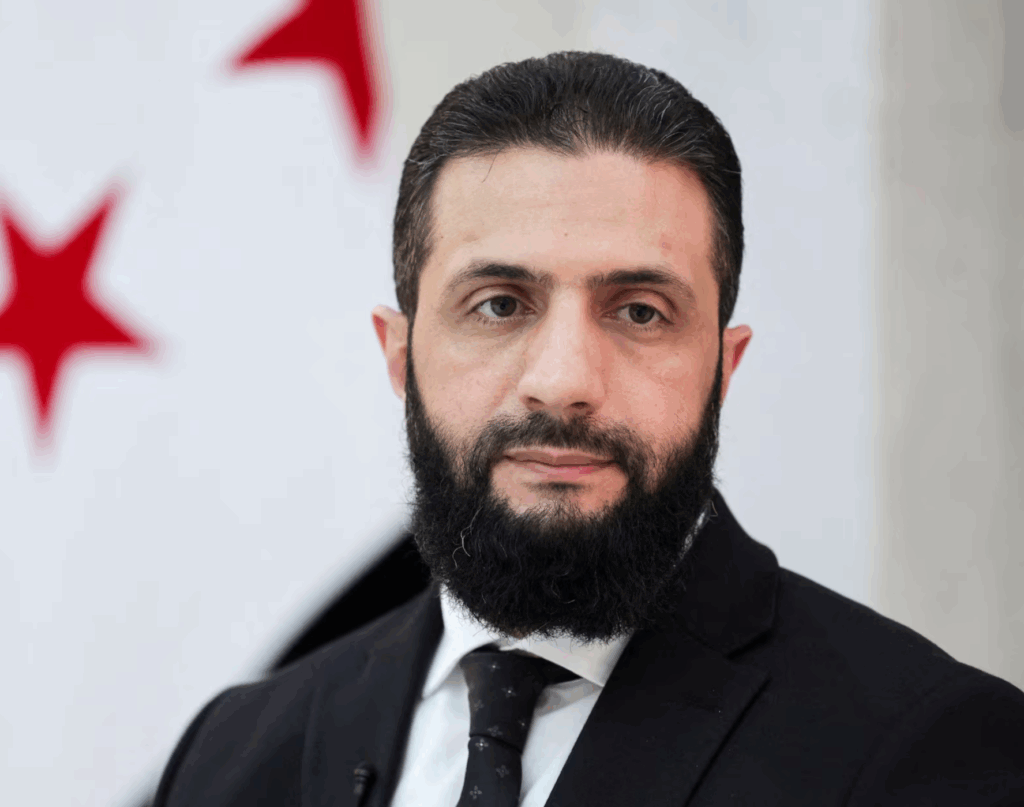
WASHINGTON D.C., USA — In a diplomatic development that would have been unthinkable just a year ago, Syrian President Ahmed al-Sharaa is slated to meet with US President Donald Trump at the White House today. This unprecedented summit marks a radical recalibration of American foreign policy in the Middle East and signifies a profound shift in Syria’s international standing following the dramatic overthrow of Bashar al-Assad’s regime by al-Sharaa’s rebel forces earlier this year.
The visit, shrouded in intense secrecy until just days ago, comes amidst a whirlwind of geopolitical realignments in the region. Al-Sharaa, formerly the leader of the HTS (Hayat Tahrir al-Sham) rebel group, has since consolidated power, rebranded his administration as the “Syrian Salvation Government,” and embarked on a controversial but increasingly successful diplomatic charm offensive. His meeting with President Trump is expected to focus on post-conflict reconstruction, counter-terrorism cooperation, and the future of American military presence in northeast Syria.
“This meeting represents a pragmatic, if uncomfortable, recognition of the new reality on the ground in Syria,” commented Dr. Sarah Khalil, a Middle East analyst at the Council on Foreign Relations. “For the US, engaging with al-Sharaa is about securing American interests: ensuring stability, preventing a resurgence of ISIS, and countering Iranian influence, even if it means dealing with a former adversary. For al-Sharaa, it’s a critical step towards international legitimacy and desperately needed economic assistance.”
The road to this summit has been complex and fraught with moral dilemmas for many in the international community. Al-Sharaa’s past as a commander of an Islamist-leaning rebel group that was once designated a terrorist organization by the US and UN has drawn sharp criticism from human rights groups and some policymakers. However, since taking power, his administration has reportedly undertaken significant reforms, including public commitments to pluralism, rule of law, and a more inclusive governance model, though independent verification remains challenging.
The Trump administration has signaled its willingness to engage with al-Sharaa, prioritizing strategic stability over past ideological differences. A senior White House official, speaking on background, stated, “The goal is a stable, unified Syria that does not pose a threat to its neighbors or to global security. We believe this new Syrian leadership, while imperfect, offers the best chance for that outcome.”
Key agenda items for the White House meeting are expected to include:
- Humanitarian Aid and Reconstruction: The immense task of rebuilding a country devastated by over a decade of civil war. Syria requires billions in aid, and US engagement is critical for unlocking international donor support.
- Counter-Terrorism: Discussions on continued cooperation against remnants of ISIS and other extremist groups, particularly in the eastern Syrian desert.
- Regional Stability: Efforts to reduce Iranian and Russian influence in Syria and address the lingering concerns of neighboring countries like Turkey and Israel.
- US Military Presence: The future of US forces currently stationed in northeast Syria, particularly in relation to Kurdish-led groups.
The meeting is also a significant test for al-Sharaa, who is eager to shed his past image and present himself as a legitimate statesman capable of leading Syria out of its protracted crisis. His presence at the White House will send a powerful message to other international players, potentially paving the way for diplomatic recognition and financial investment from European and Arab states that have long shunned the Assad regime.
However, widespread skepticism persists. Critics argue that legitimizing al-Sharaa could inadvertently embolden other Islamist-leaning groups and that his reforms are merely a veneer. The path to a truly democratic and inclusive Syria remains long and uncertain.
Regardless of the outcomes, today’s summit marks a watershed moment in the Middle East. It underscores the fluidity of alliances and the often-unpredictable nature of international diplomacy, as the world grapples with the fallout of the Syrian civil war and the emergence of new, complex power dynamics.